


As the digital frontier relentlessly expands, so too does the sophistication and pervasiveness of cyber threats. In this escalating arms race between malicious actors and defenders, artificial intelligence (AI) is rapidly transitioning from a theoretical concept to a critical operational tool in the cybersecurity arsenal. By 2025, AI’s integration is poised to redefine the efficacy of security systems, offering unprecedented capabilities in threat detection, response, and prevention, while simultaneously presenting new challenges and demanding strategic adaptation from organizations worldwide.
The current cybersecurity paradigm is characterized by an overwhelming volume of data and an ever-increasing attack surface. Traditional, signature-based detection methods struggle to keep pace with polymorphic malware and zero-day exploits that evolve faster than they can be cataloged. This is where AI, particularly machine learning (ML) algorithms, offers a transformative advantage. By analyzing vast datasets of network traffic, user behavior, and system logs, AI can identify anomalies and predict potential threats with a speed and accuracy that far surpasses human capabilities. These systems learn from ongoing activity, becoming more adept at discerning malicious patterns from benign operations over time. This predictive and adaptive nature is crucial in an environment where threats are dynamic and often novel.
The projected impact of AI on cybersecurity by 2025 is substantial, with forecasts suggesting a significant acceleration in the adoption of AI-powered security solutions across various sectors. Industries that are data-intensive or handle sensitive information, such as finance, healthcare, and critical infrastructure, are expected to lead this adoption. The economic implications are also considerable. The global cybersecurity market is projected to witness robust growth, with AI playing an increasingly central role. Analysts estimate the market for AI in cybersecurity to reach tens of billions of dollars within the next few years, underscoring its growing importance. This expansion is driven by the escalating costs associated with data breaches, which can range from financial losses and reputational damage to regulatory penalties and operational disruption. For instance, the average cost of a data breach globally has been steadily climbing, and AI-driven defenses are seen as a key strategy to mitigate these escalating risks.
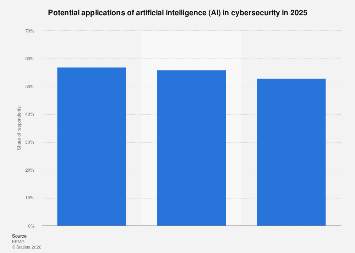
AI’s application in cybersecurity is multifaceted. One of the most significant areas is threat detection and analysis. ML models can sift through terabytes of data in real-time, identifying subtle indicators of compromise that might otherwise go unnoticed. This includes detecting unusual login attempts, anomalous data exfiltration patterns, or deviations from normal application behavior. Beyond detection, AI is crucial for automating threat response. When a threat is identified, AI can initiate predefined remediation actions, such as isolating infected systems, blocking malicious IP addresses, or revoking compromised credentials. This rapid, automated response significantly reduces the window of opportunity for attackers, minimizing potential damage. Furthermore, AI can enhance vulnerability management by predicting which vulnerabilities are most likely to be exploited, allowing security teams to prioritize patching efforts more effectively.
The rise of AI in cybersecurity is not without its complexities and potential drawbacks. As AI tools become more sophisticated, so too do the tools available to cybercriminals. Adversarial AI, where attackers attempt to trick or manipulate AI security systems, is an emerging threat. This could involve poisoning training data to mislead ML models or crafting attacks that are specifically designed to evade AI detection. Consequently, continuous research and development are required to ensure that AI defenses remain one step ahead. Moreover, the implementation of AI in cybersecurity requires significant investment in both technology and skilled personnel. Organizations need to acquire advanced AI platforms, integrate them into existing security infrastructures, and train their security teams to effectively manage and interpret AI-driven insights. The cost of these solutions, along with the ongoing need for talent, can be a barrier for smaller organizations, potentially creating a disparity in cybersecurity resilience.
Global comparisons highlight the varying levels of AI adoption in cybersecurity. Developed economies with robust technological infrastructure and significant investments in R&D are generally at the forefront. However, emerging economies are also rapidly increasing their focus on AI for cybersecurity, recognizing its necessity in safeguarding their burgeoning digital economies. International collaboration and knowledge sharing are becoming increasingly important to address the borderless nature of cyber threats and the shared challenges in developing effective AI defenses.
The economic impact of AI in cybersecurity extends beyond direct cost savings from breach prevention. It fosters innovation and creates new market opportunities. Companies specializing in AI-driven cybersecurity solutions are experiencing rapid growth, attracting significant venture capital investment. This, in turn, fuels further advancements in the field, creating a virtuous cycle of development. Moreover, by enhancing overall digital trust, AI-powered cybersecurity can bolster confidence in digital transactions and services, thereby supporting broader economic growth and digital transformation initiatives.
Looking towards 2025 and beyond, the integration of AI into cybersecurity is not merely an enhancement but a fundamental shift. It represents a move towards more proactive, intelligent, and adaptive security postures. However, it also necessitates a critical examination of ethical considerations, data privacy, and the potential for algorithmic bias. As AI systems become more autonomous, ensuring transparency and accountability in their decision-making processes will be paramount. The successful deployment of AI in cybersecurity will ultimately depend on a holistic approach that combines technological advancement with strategic planning, skilled human oversight, and a keen awareness of the evolving threat landscape. The future of digital security is inextricably linked to the intelligent application of AI, and the period leading up to 2025 will be a crucial phase in solidifying this transformative relationship.