

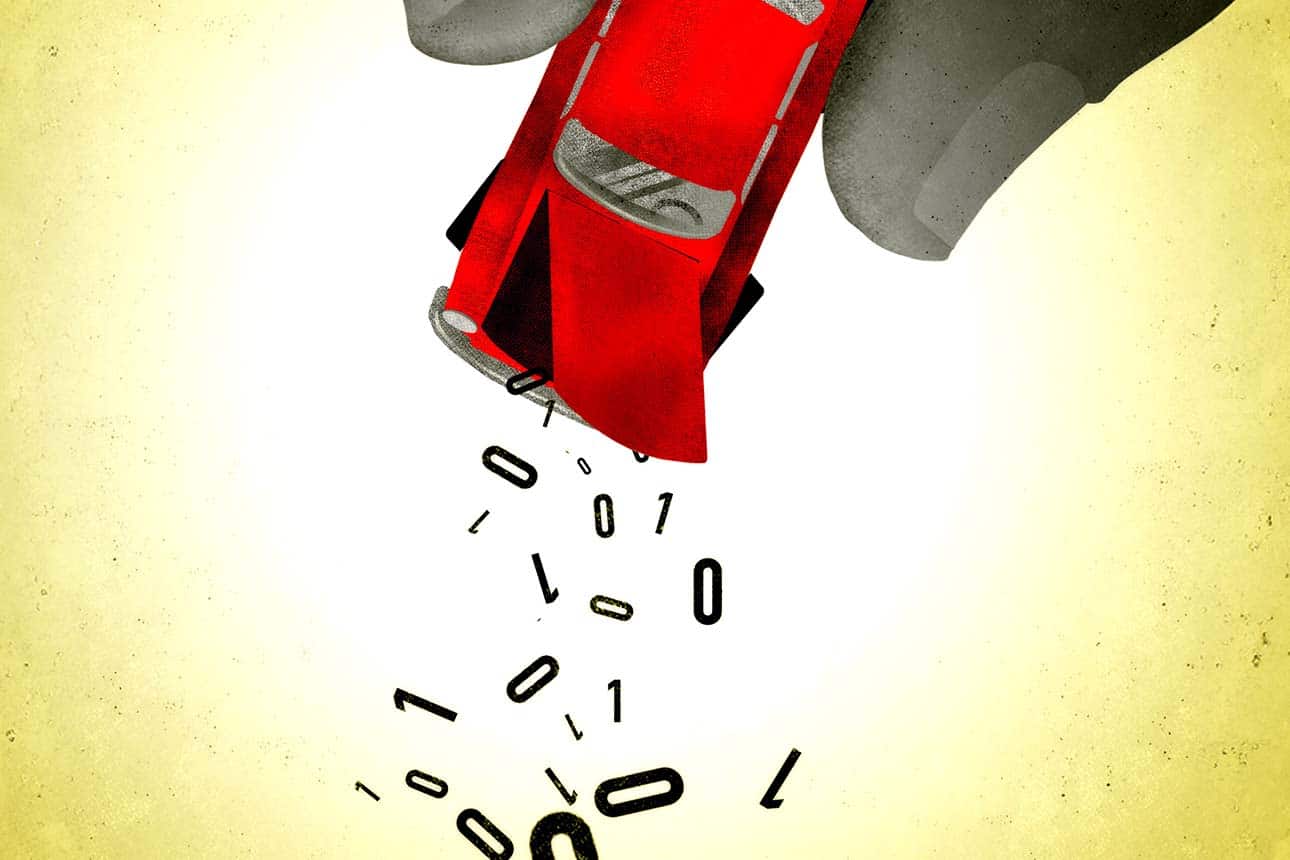
The linguistic phenomenon of "enshittification," a term popularized by technology journalist Cory Doctorow to describe the gradual degradation of user experience on major digital platforms, has permeated the global lexicon. Named the American Dialect Society’s word of the year in 2023, it articulates a predictable lifecycle: platforms initially attract users with superior services, then exploit their entrenched user base to benefit business partners, and finally, leverage lock-in to extract maximum profit from both users and businesses, inevitably diminishing the overall experience. While Doctorow’s initial critique focused on the digital titans of social media, e-commerce, and search, a growing body of research suggests this insidious pattern is now firmly embedded within the realm of physical products, fundamentally altering the traditional relationship between consumer and manufacturer.
For decades, purchasing a physical product implied outright ownership, granting the buyer full control over its use, maintenance, and modification. The advent of "smart" products, however, has introduced a paradigm shift. By embedding internet connectivity, sophisticated sensors, proprietary firmware, and complex software into everything from automobiles to home appliances, manufacturers have unlocked unprecedented digital control over their creations. This technological infusion, initially heralded for its potential to deliver enhanced functionality, convenience, and personalization, has simultaneously paved the way for new business models that, critics argue, mirror the exploitative trajectories observed in platform economies. This transformation risks eroding the very essence of ownership, replacing it with a more ambiguous, digitally mediated form of access.
The Digital Gateway to Revenue and Risk
The primary allure for companies in digitizing physical products lies in the vast new revenue streams generated through data monetization and ongoing service charges. Once a product leaves the factory floor, its digital capabilities allow for continuous interaction, monitoring, and even remote modification. Cars, for instance, are now equipped with advanced telemetry systems that go far beyond their initial safety and navigation purposes. These systems meticulously track driving behaviors, routes, speeds, and even the vehicle’s maintenance history. Automakers like General Motors and Ford have reportedly leveraged this real-time data, selling comprehensive user profiles to third-party insurers, advertisers, and mapping services. This practice transforms a purchased asset into a perpetual data-generating machine, with its owner often unaware of the extent of data collection or its subsequent commercialization. The global market for automotive data monetization alone is projected to reach tens of billions of dollars annually within the next few years, highlighting the significant financial incentive behind these practices.
Beyond data, the digital layer enables manufacturers to unbundle features, moving from an upfront purchase model to a subscription-based economy for functionalities that were once standard. The most notorious examples include luxury car brands charging annual fees to activate built-in hardware features like heated seats, remote start, or advanced driver-assistance systems. Similar trends are emerging in other sectors; smart home appliances might offer premium cloud storage for security camera footage, advanced diagnostic features for washing machines, or even recipe suggestions for smart ovens, all behind a paywall. This "feature lock-in" forces consumers to incur recurring costs for capabilities already physically present in the product they ostensibly own, blurring the lines between outright purchase and perpetual lease. The subscription economy, valued at over $650 billion globally in 2023, is expanding rapidly into durable goods, signaling a fundamental shift in how value is perceived and extracted.
Erosion of Ownership and Consumer Trust
This strategic deployment of digital control fundamentally challenges traditional notions of ownership. When a manufacturer can remotely disable features, push mandatory software updates that alter functionality, or even "brick" a device due to policy violations, the consumer’s sense of dominion over their property is severely undermined. The product, rather than being an autonomous asset, becomes a gateway for ongoing corporate influence and profit extraction. This phenomenon has fueled the global "Right to Repair" movement, which advocates for consumers’ ability to repair their own products or have them repaired by independent third parties, free from manufacturer-imposed digital or physical restrictions. Legislative efforts in regions like the European Union and several U.S. states aim to mandate access to parts, tools, and diagnostic information, pushing back against what is seen as anti-competitive practices and planned obsolescence through software.

The long-term implications for consumer trust and brand loyalty are profound. A 2023 survey indicated that nearly 70% of consumers expressed discomfort with the idea of paying recurring fees for features in products they already own, with privacy concerns regarding data collection ranking similarly high. When the perceived value of a product diminishes post-purchase due to unexpected costs or loss of control, it fosters resentment and erodes the goodwill built through years of brand reputation. Consumers begin to view "smart" capabilities not as enhancements, but as Trojan horses for continuous monetization, leading to a cautious skepticism that can stifle innovation adoption in the long run.
Economic and Regulatory Landscape
The drive towards "enshittification" in smart products is not merely a corporate oversight; it is a calculated business strategy aimed at maximizing shareholder value in an increasingly competitive global market. The Internet of Things (IoT) market, projected to exceed $1.5 trillion by 2030, represents an immense opportunity for companies to capture value beyond the initial sale. However, this pursuit of new revenue streams often overlooks the broader economic implications for consumers, small businesses (like independent repair shops), and the environment (due to reduced product longevity).
Regulators globally are beginning to grapple with these complexities. Data privacy regulations like GDPR in Europe and CCPA in California are attempts to give consumers more control over their personal data, though the intricate web of data collection by smart devices often makes compliance and enforcement challenging. Furthermore, antitrust bodies are scrutinizing practices that create monopolistic control over repair ecosystems or unfairly leverage market power through software lock-ins. The challenge for policymakers is to strike a delicate balance: fostering innovation in connected technologies while safeguarding fundamental consumer rights and promoting fair competition. Without robust regulatory frameworks, the current trajectory risks creating a digital feudalism where ownership is a privilege, not a right, and consumers are perpetually beholden to manufacturers.
Balancing Innovation and Ethical Practice
It is crucial to acknowledge that digital capabilities in products offer genuine benefits. Over-the-air software updates can fix bugs, introduce new functionalities, and enhance safety without requiring a new purchase. Real-time diagnostics can predict failures, streamline maintenance, and improve product longevity. Smart home devices offer convenience, energy efficiency, and enhanced security. The goal is not to demonize "smart" products, but to critically examine the business models they enable.
The path forward requires companies to re-evaluate their approach, prioritizing ethical design and transparent business practices. This includes clear communication about data collection and usage, offering genuinely valuable subscription services that enhance the user experience rather than simply unlocking existing hardware, and supporting a robust ecosystem for repair and maintenance. Consumers, in turn, must become more discerning, demanding greater transparency and advocating for their rights to full ownership and control. As the digital and physical worlds continue to converge, ensuring that "smart" truly means better for the consumer—and not just for corporate bottom lines—will be paramount for fostering a sustainable and trustworthy connected future.