

The global entertainment landscape is undergoing a profound transformation, evolving beyond passive viewing to embrace active, real-time consumer engagement. At the forefront of this shift is the burgeoning trend of in-stream commerce, where Over-The-Top (OTT) platforms are seamlessly integrating shopping experiences directly into their content. This innovative approach, exemplified by recent feature rollouts from major streaming players, allows viewers to identify and purchase items seen on screen – from an actor’s wardrobe to a piece of furniture in a set design – without interrupting their viewing experience. It represents a strategic pivot for platforms, aiming to unlock new revenue streams, deepen user engagement, and redefine the relationship between content and consumption.
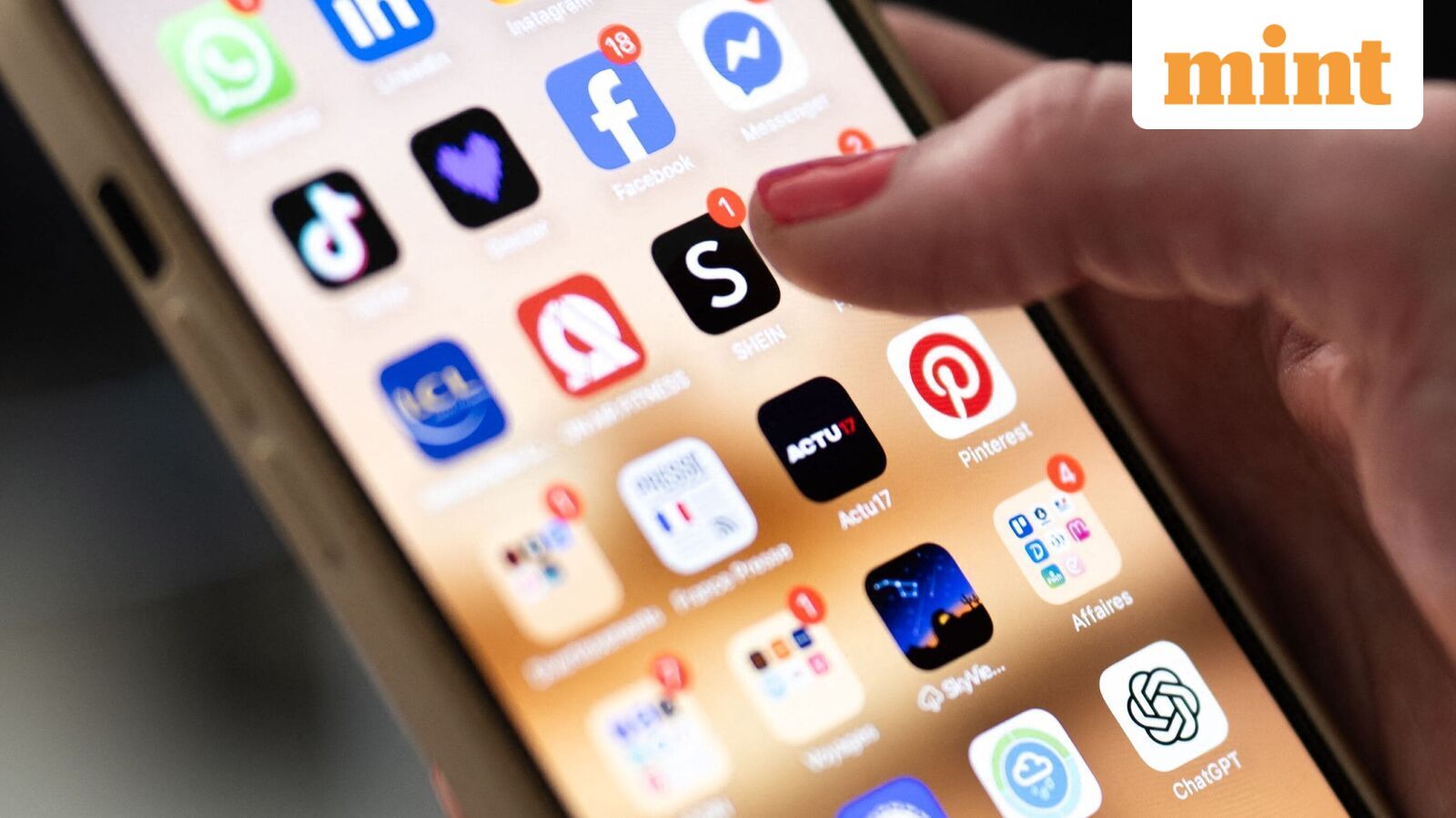
This evolution extends the familiar mechanics of social commerce, prevalent on platforms like Instagram and YouTube, into the realm of long-form premium video content. While social media feeds have long enabled users to tap on product tags or swipe up to shop, bringing this functionality to a narrative-driven series or film presents a unique set of opportunities and challenges. The immediate gratification of "Shop the Look" features transforms fleeting moments of inspiration into actionable purchasing decisions, directly addressing the impulse-driven nature of modern consumer behavior.
For streaming providers, this represents a significant avenue for enhancing Average Revenue Per User (ARPU) beyond traditional advertising and subscription models. The strategic intent is not merely to display products but to weave them contextually into the narrative, making the shopping experience feel organic and viewer-led. As one chief product officer at a leading streaming service articulated, the power of contextual commerce lies in its timing; viewers often discover inspiration during emotionally resonant moments within a story. By facilitating exploration within the content flow, platforms aim to deepen engagement without pulling audiences away from the narrative. This fosters an environment where brands can be present at moments of genuine relevance, while creators and platforms preserve the integrity of storytelling, ultimately building streaming platforms into richer, more experiential ecosystems.

The economic implications of this integration are substantial. The e-commerce advertising sector is experiencing rapid growth, with projections indicating it will surpass traditional TV ad revenue within the next two years. By embedding commerce directly into the viewing experience, OTT platforms can tap into this expanding market, generating a novel income stream through innovative product linkages. This approach transforms a "view" into a potential "sale" with minimal friction, a holy grail for advertisers seeking direct conversion pathways. Moreover, platforms possess a valuable goldmine of first-party user data, enabling hyper-personalized product recommendations. Imagine watching a sports match and being able to instantly purchase the exact jersey worn by your favorite player, or discovering a unique home decor item in a drama and adding it to your cart, all without hitting pause. Such targeted engagement significantly elevates the value proposition for both consumers and advertisers.
Technologically, the backbone of in-stream commerce relies on sophisticated artificial intelligence and machine learning algorithms. These systems are crucial for object recognition, contextual tagging, and dynamic personalization. Unlike social media, where content is often user-generated and less structured, long-form premium video requires robust metadata and standardized program identifiers. This intricate data infrastructure reliably connects specific scenes, characters, and moments to corresponding products across various episodes and devices, ensuring a seamless and accurate shopping experience. Innovations like "mood-first" AI personalization are emerging, aiming to transcend basic recommendations by prioritizing content and product suggestions based on a user’s immediate emotional state, thereby transforming OTT platforms into intuitive, frictionless lifestyle destinations.
Globally, the blueprint for successful video commerce has largely been set by markets like China, where live commerce on platforms such as Taobao Live and Douyin has created multi-billion-dollar industries. These platforms demonstrate the immense potential of combining entertainment with instant purchasing, particularly within mobile-first user bases. India, for instance, presents a unique advantage with its predominantly mobile-first internet population, bridging the gap between social media interaction and streaming content consumption. This allows platforms to extend the familiar "tap-to-interact" experience from short-form social media to longer-format, premium content, fostering a natural evolution in consumer behavior. Western markets are also actively experimenting, with players like Amazon, Roku, and Peacock integrating shoppable features, reflecting a global trend towards monetizing viewer attention more directly.
However, the path to widespread adoption is not without its challenges. The primary concern revolves around maintaining the delicate balance between commercialization and the integrity of the viewing experience. In-stream commerce, if not implemented thoughtfully, risks disrupting the narrative flow and alienating audiences. Experts caution that products must be highly relevant to the content and the target audience; otherwise, viewers may perceive the content as overtly "selling to them" rather than telling a story. This necessitates careful pre-planning by writers, directors, and production designers to integrate shoppable moments organically, ensuring they enhance rather than detract from the artistic vision.

Beyond content integration, practical hurdles include ensuring a frictionless transaction process. Payments, returns, and customer service often operate outside the core OTT application. Unless checkout processes are deeply integrated within the platform, the crucial "impulse-buy" effect, which drives much of live commerce, could be lost. Addressing these logistical complexities is vital for converting initial curiosity into completed sales. Furthermore, as platforms gather more granular data on user preferences and purchasing habits, questions surrounding data privacy and ethical usage will inevitably arise, requiring transparent policies and robust security measures.
Despite these challenges, the long-term outlook for interactive commerce within streaming remains highly optimistic. While it may not immediately rival subscription or advertising revenues, it is poised to become a significant incremental revenue stream. Even a modest conversion rate, applied across a platform with millions of daily active users, can yield substantial returns. The future of commerce on streaming platforms will be defined by its seamless integration with storytelling, focusing on experiences that are intuitive, optional, and designed around user intent. As technology advances, and platforms refine their approach to blend entertainment with retail, the vision of OTT platforms evolving into comprehensive, lifestyle-centric digital ecosystems appears increasingly plausible, fundamentally reshaping how consumers interact with their favorite content and discover new products.