

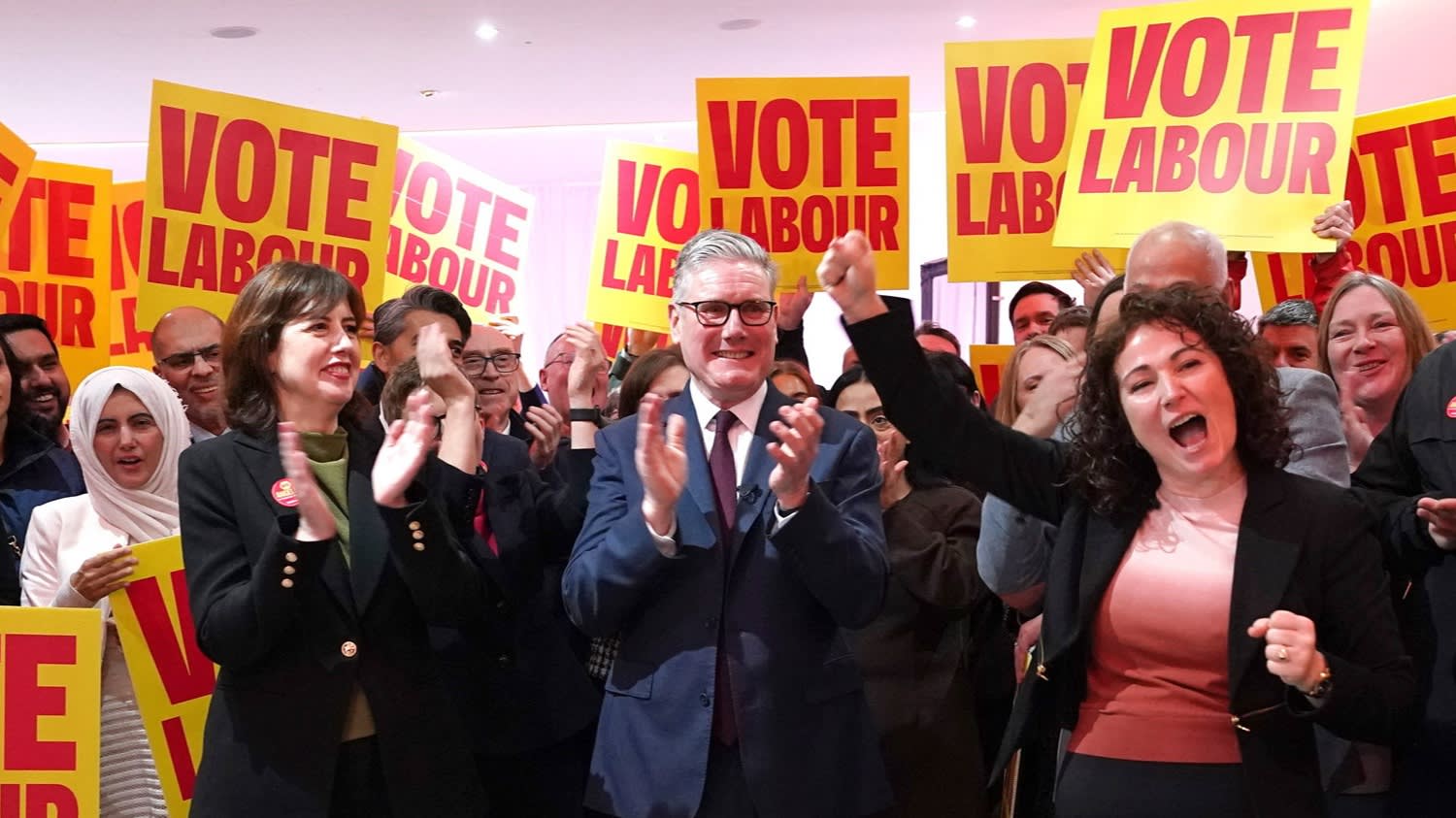
The political landscape of Northern England, long considered the bedrock of the Labour Party’s electoral fortress, is undergoing a profound and turbulent transformation that poses a significant challenge to Prime Minister Keir Starmer’s governing philosophy. In the heart of Manchester, a city that has become a symbol of both post-industrial regeneration and stark urban inequality, a high-stakes electoral battle is unfolding that serves as a microcosm for the broader fragmentation of British politics. As the Green Party and Reform UK exert pressure from the progressive left and the populist right respectively, the traditional two-party system is being tested by a electorate that is increasingly disillusioned with the incrementalism of the center-ground. This shift is not merely a matter of parliamentary seats; it represents a fundamental debate over the UK’s economic trajectory, its approach to the climate transition, and its role in a volatile global market.
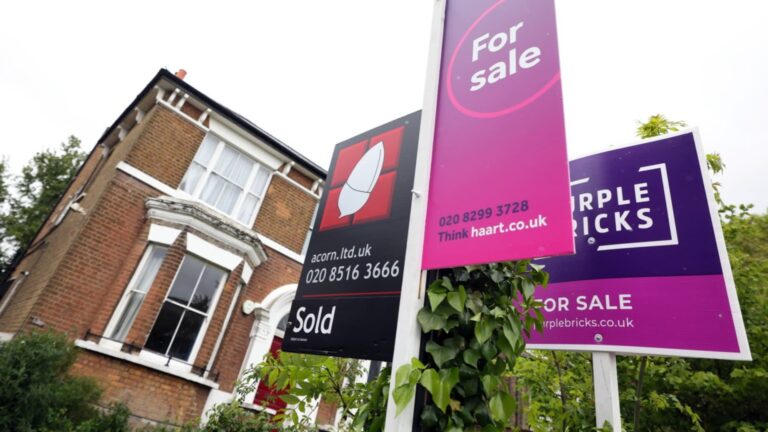
Manchester’s economic profile has shifted dramatically over the last two decades, evolving from a manufacturing hub into a powerhouse of the "new economy," characterized by a thriving technology sector, a massive higher education footprint, and a burgeoning financial services industry. However, this growth has been unevenly distributed. While the glass towers of Deansgate symbolize a city on the rise, the peripheral boroughs and inner-city wards continue to grapple with high levels of deprivation, stagnant wage growth, and a housing crisis that has seen rents outpace the national average. It is within this vacuum of economic disparity that insurgent parties are finding fertile ground. For Starmer, the challenge is to maintain a "big tent" coalition that satisfies the aspirations of the professional urban elite while addressing the visceral grievances of the working class who feel left behind by the current economic model.
On the left flank, the Green Party has transitioned from a single-issue environmental movement into a formidable force in urban municipal politics. In Manchester, their surge is fueled by a combination of climate anxiety and a specific dissatisfaction with Labour’s perceived shift toward fiscal conservatism. The Greens’ platform—advocating for a massive wealth tax on the top 1%, the nationalization of key utilities, and a radical acceleration of the "Net Zero" timeline—resonates deeply with a younger, highly educated demographic that views Starmer’s "securonomics" as an insufficient response to the planetary crisis. Economically, the Green challenge forces a difficult conversation about the cost of the energy transition. While the government emphasizes "green growth" and private sector partnerships, the Greens argue for a state-led industrial strategy that prioritizes social equity over market efficiency. This ideological pressure complicates Labour’s efforts to signal fiscal rectitude to the City of London and international bond markets.
Conversely, Reform UK is tapping into a different but equally potent vein of discontent. Their platform, which emphasizes strict immigration controls, deregulation, and "common sense" tax cuts, appeals to voters who feel that the benefits of Manchester’s economic renaissance have bypassed them entirely. The populist right’s narrative links the pressures on public services—such as the overstretched National Health Service and the shortage of social housing—directly to high levels of migration and "wasteful" spending on international climate commitments. From a business perspective, the Reform UK agenda presents a paradox; while their calls for lower corporate taxes and reduced "red tape" align with some entrepreneurial interests, their protectionist leanings and skepticism toward international trade agreements create uncertainty for the multinational corporations that have invested heavily in the North’s infrastructure.
The economic implications of this political fragmentation are significant. For international investors, the primary concern is stability. The UK has spent much of the last decade mired in political volatility, from the Brexit referendum to the revolving door of leadership in the Conservative Party. Starmer’s primary pitch to the global community has been one of "stability as a service"—the idea that a disciplined, centrist government can provide the predictable environment necessary for long-term capital investment. However, if Labour’s core territory in the North becomes a multi-front battleground, the government may find itself forced into reactive policy-making. The risk of "policy lurch"—where the government adopts more radical positions to stave off threats from the fringes—could undermine the very investor confidence that the Prime Minister is so keen to cultivate.
Manchester’s role as a regional economic engine means that its political health has a direct impact on the UK’s "Levelling Up" agenda. Despite various iterations of regional development policy, the productivity gap between London and the North remains one of the widest in the developed world. Data from the Office for National Statistics (ONS) suggests that while Manchester’s GVA (Gross Value Added) growth has occasionally outperformed the national average, the "trickle-down" effect to the surrounding towns has been minimal. The rise of Reform UK in the deindustrialized outskirts of the city is a testament to the failure of successive governments to bridge this divide. If Starmer cannot demonstrate tangible economic improvements in these areas—measured in real wage growth and improved local infrastructure—the populist surge is likely to intensify, potentially leading to a fractured Parliament that makes structural reform even more difficult to achieve.
Looking globally, the situation in Manchester mirrors trends seen across the Western world. In France, the traditional parties of the center-left and center-right have been hollowed out by the rise of the National Rally on the right and the New Popular Front on the left. In Germany, the Alternative for Germany (AfD) and the Greens are pulling the political discourse away from the "grand coalition" consensus of the Merkel era. These comparisons suggest that the UK is not an outlier but is instead catching up with a global trend of political polarization driven by the perceived failures of neoliberal globalization. For the UK, which is already navigating the complexities of its post-Brexit relationship with the European Union, this domestic fragmentation adds another layer of risk to its sovereign credit profile.
The battle for Manchester also highlights the evolving role of the "metro mayor" and local government in shaping economic policy. Leaders like Andy Burnham have used their platforms to advocate for a more interventionist approach to local transport and housing, often putting them at odds with the national party leadership. This tension between local autonomy and national strategy is set to become a defining feature of Starmer’s tenure. As the Greens and Reform UK gain ground in local council chambers, they will increasingly influence the planning decisions and social policies that determine the business climate of the city-region. For the corporate sector, this means navigating a more complex web of local regulations and political sensitivities.
Furthermore, the demographic shift in Manchester cannot be ignored. The city has one of the youngest populations in the UK, with a significant proportion of residents under the age of 35. This cohort is less tied to traditional party loyalties and is more likely to vote based on specific issues such as the cost of living, student debt, and the availability of affordable housing. The Green Party’s success in capturing this vote represents a long-term structural threat to Labour’s dominance. If the youth vote continues to migrate toward more radical alternatives, the "moderate" center may find itself increasingly isolated, unable to build the cross-generational consensus required for major economic reforms like pension changes or significant infrastructure projects.
In conclusion, the electoral struggle in Manchester is a harbinger of a new era in British politics—one characterized by volatility, fragmentation, and a rejection of the status quo. Keir Starmer faces a delicate balancing act: he must deliver the fiscal stability demanded by global markets while simultaneously providing the radical economic change demanded by a restless electorate. The Green Party and Reform UK are no longer mere "protest" parties; they are becoming institutionalized forces that reflect deep-seated divisions over the nation’s future. As the government attempts to navigate these choppy waters, the outcome in seats like Manchester will determine whether the UK can achieve a sustainable and inclusive economic recovery or if it will remain trapped in a cycle of political and economic stagnation. The eyes of the business world will be firmly fixed on the North, as the political dynamics there will inevitably dictate the fiscal and regulatory landscape of the United Kingdom for years to come.