


Recent geopolitical shifts have starkly illuminated the inherent fragility of global supply chains, serving as a potent reminder for businesses operating within dynamic sectors like consumer goods and fashion. In this landscape, the strength and integrity of supplier relationships emerge as a paramount, and perhaps one of the few, enduring sources of resilience. Cultivating these connections through responsible purchasing – a paradigm that prioritizes environmental and social considerations alongside cost and quality – is not merely an ethical imperative but a critical strategic necessity. The fashion industry, in particular, finds itself bearing the brunt of escalating tariffs, a disruption that compounds existing challenges in achieving ambitious climate and sustainability targets. Data from a 2025 benchmarking survey conducted by the US Fashion Industry Association underscores this sentiment, with an overwhelming 100 percent of 25 leading apparel brands and retailers identifying the current administration’s protectionist policies and volatile trade relationships as a primary concern. Furthermore, over half of these entities pinpointed policy uncertainty, especially the specter of retaliatory tariffs, as their most significant challenge.
Instead of resorting to short-term cost-cutting measures, leading consumer-goods corporations are proactively making strategic investments to bolster their supply chain resilience. Illustrative examples include retailers like Walmart and Target, which have strategically increased their inventory levels to cushion the impact of anticipated tariff increases ahead of the crucial holiday shopping season. Similarly, Apple has chartered dedicated cargo flights to expedite the delivery of 1.5 million iPhones from India, a maneuver facilitated by its deepening production capabilities with a key supplier. These actions transcend mere logistical adjustments; they underscore the profound significance of trust-based, responsive supply chain partnerships. Responsible purchasing practices, in essence, act as the indispensable adhesive that binds supply chains together during periods of heightened uncertainty. Industry analysis from Gartner indicates that nearly half of large enterprises have initiated renegotiations of supplier contracts or are actively shifting their sourcing strategies to mitigate risks associated with prevailing tariff regimes. The utilization of financial tools like supply-chain finance is also on the rise, serving not only to ensure liquidity but also to act as a crucial buffer against market volatility. These evolving trends collectively signal a growing consensus: supply chains that are resilient, transparent, and aligned with core values are indispensable for averting significant disruptions and maintaining a competitive edge in the global marketplace.

The Conundrum on the Catwalk
Regrettably, the fashion sector lags behind in adopting these vital practices. Cascale’s Better Buying 2025 Garment Industry Scorecard reveals a middling score of 66 out of 100 for the industry, with concerning year-on-year declines observed in critical areas of responsible purchasing, including cost negotiation strategies, payment terms, and collaborative product development initiatives. This performance is particularly troubling, given the cascading effects that tariffs and other external shocks can have throughout complex supply networks. When external pressures mount, production costs often necessitate renegotiation. Without robust supplier relationships, abrupt shifts in sourcing can precipitate a cascade of negative consequences, including increased lead times, heightened labor risks, and significant reputational damage. The current trajectory is also profoundly concerning from a climate perspective. The fashion industry, with its intricately woven global supply chains, is exceptionally susceptible to these ripple effects. The US tariffs, which became effective on August 7th, directly impact sourcing hubs that disproportionately contribute to the industry’s carbon footprint. Cascale’s research indicates that a mere 1,800 factories spread across nine countries are responsible for over 80 percent of the measured carbon emissions generated by the apparel, textile, and footwear industries. Crucially, six of these nations – China, Bangladesh, Vietnam, India, Turkey, and Pakistan – have been directly subjected to the new tariff impositions.
Shifting sourcing operations away from these established hubs might offer a temporary reprieve from tariff-related costs. However, such a move risks derailing ongoing efforts to curtail emissions from these significant sources. A precedent for this was observed in 2018 when tariffs imposed on China led to a substantial surge in production activity in Vietnam. The typical timeframe for brands to onboard new suppliers averages around 14 months, meaning that rapid shifts in sourcing can trigger a detrimental chain reaction: an increase in labor violations, extended delivery schedules, and compromised product quality. Without meticulous, coordinated planning, such disruptions imperil both climate objectives and the fundamental working conditions within the industry.

A Global Appetite for Sustainability
Despite its substantial valuation as a $3 trillion global industry, the fashion sector is projected to have a minimal formal presence at the upcoming United Nations Climate Change Conference (COP30). Mirroring trends from previous years, travel budgets are being curtailed, and many internal teams are undergoing downsizing as the industry braces for market volatility. Unlike dedicated climate-focused forums such as Climate Week NYC or London Climate Action Week, COP30 is expected to concentrate more intently on adaptation finance, carbon pricing mechanisms, and nature-based solutions rather than on the fundamental re-evaluation of trade or sourcing paradigms.
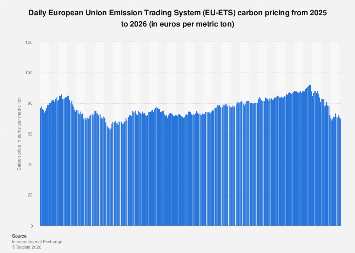
Nonetheless, industry participants would be well-advised to monitor the proceedings closely to gauge the global sentiment and momentum surrounding sustainable finance and investment. Brazil, in its capacity as the host nation for COP30, is actively championing significant initiatives, including the proposed $125 billion Tropical Forests Forever Facility. This blended-finance instrument is designed to bridge the widening annual climate-finance gap, which is projected to reach $1.3 trillion by 2035. Furthermore, the discussions surrounding carbon pricing frameworks are poised to exert a more profound influence on international trade dynamics and value chains than any industry-specific trade reform could achieve. In essence, while COP30 may not offer immediate relief from tariff burdens, it holds the potential to fundamentally reshape the long-term operational landscape. It could establish linkages between sustainability targets, sourcing methodologies, and competitive positioning through policy levers that extend beyond the immediate purview of the fashion industry.
The Imperative of Fair Purchasing Practices
As trade-related cost pressures persist, industry leaders are compelled to fundamentally re-evaluate their strategic approach. The long-term resilience of their businesses will not be forged through diplomatic negotiations or high-level political accords, but rather through the cultivation of trust-based relationships, the implementation of equitable purchasing practices, and the relentless pursuit of innovations that drive genuine sustainability. Brands and retailers should perceive tariffs not merely as financial burdens but as critical stress tests for their existing supplier partnerships. Companies that remain entrenched in price-driven strategies risk irrevocably eroding their capacity to deliver the quality, speed, and innovative offerings that today’s increasingly conscientious consumers demand.
Conversely, organizations that embrace transparency and collaborative engagement – by sharing demand forecasts to ensure operational continuity, smoothing demand fluctuations through level-loading production, and offering more favorable payment terms – are demonstrably more likely to circumvent spikes in labor violations and preserve the essential market signals necessary to sustain crucial decarbonization investments. In an era where tariffs and climate-induced shifts can necessitate abrupt alterations to sourcing strategies, resilient partnerships transcend their role as mere operational tools. They are evolving into strategic differentiators, signaling accountability, stability, and ethical leadership to a growing cohort of stakeholders who are resolutely focused on the long-term future of the industry.