

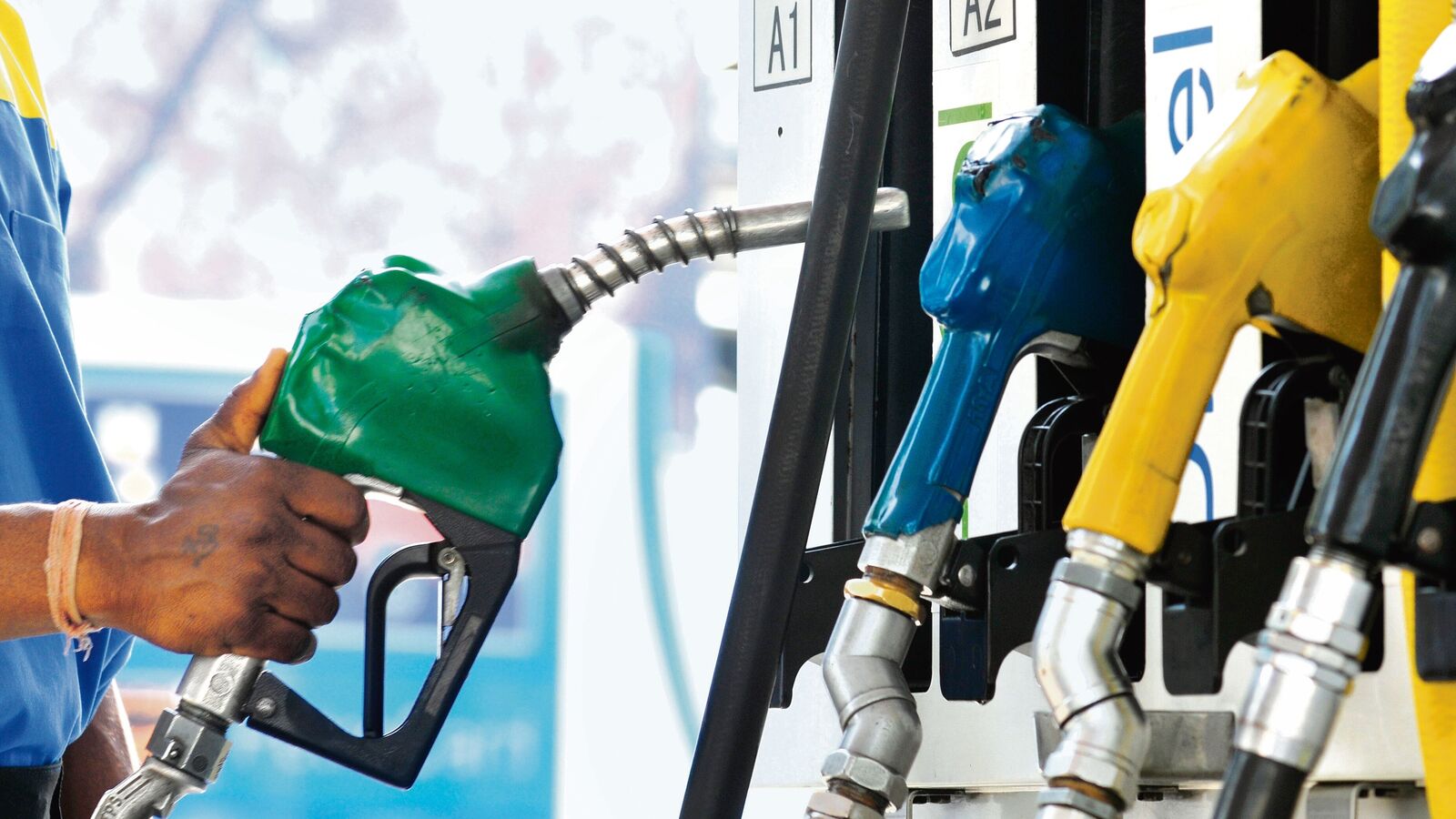
Effective April 1, a significant shift in India’s automotive fuel landscape will commence, as petrol sold across all states and Union Territories must now contain up to 20% ethanol and maintain a minimum Research Octane Number (RON) of 95. This directive, issued by the oil ministry on February 17, marks a crucial milestone in the nation’s ambitious strategy to bolster energy security, mitigate environmental impact, and stimulate its agricultural sector. While provisions for regional or time-bound exemptions remain at the discretion of the administration, the mandate signals an unequivocal nationwide commitment to cleaner, indigenously sourced fuels.
The move to a 20% ethanol blend (E20) is a cornerstone of India’s energy independence strategy. As the world’s third-largest oil consumer and importer, India is acutely vulnerable to global crude price volatility, which significantly impacts its current account deficit and inflationary pressures. In the fiscal year 2023-24, India’s crude oil import bill stood at approximately $132 billion, underscoring the immense financial outflow. By substituting a portion of fossil fuels with domestically produced ethanol, the government aims to substantially reduce this import burden. Official figures suggest that the ethanol blending program has already saved the nation over ₹1.44 lakh crore in foreign exchange reserves since 2014-15, simultaneously replacing about 245 lakh metric tonnes of crude oil by August 2025. This financial dividend directly contributes to macroeconomic stability and frees up capital for other developmental initiatives.
Beyond economic prudence, the E20 mandate serves India’s aggressive climate action agenda. Ethanol, primarily derived from renewable biomass such as sugarcane, maize, and surplus grains, offers a cleaner combustion profile compared to pure petrol. Its integration into the fuel supply is expected to significantly reduce tailpipe emissions, including carbon monoxide, hydrocarbons, and particulate matter, contributing to improved urban air quality. From a greenhouse gas perspective, E20 is projected to cut carbon dioxide emissions by up to 30% compared to conventional petrol, aligning with India’s commitments under the Paris Agreement and its "Panchamrit" goals announced at COP26, which aim for net-zero emissions by 2070. This environmental benefit, however, is subject to ongoing debate regarding the full lifecycle emissions of ethanol production, including land use change and energy inputs for cultivation and processing.

A critical technical specification accompanying the E20 mandate is the requirement for a minimum RON of 95. The Research Octane Number is a measure of a fuel’s resistance to "knocking" or "pinging" – a detrimental phenomenon where fuel ignites prematurely or unevenly in the engine cylinder. Such uncontrolled combustion can lead to power loss, reduced fuel efficiency, and long-term mechanical damage to engine components. Higher octane fuels offer greater stability under compression, ensuring a smoother, more efficient burn. Pure ethanol inherently possesses a high octane rating, typically around 108 RON, which makes it an excellent octane booster when blended with petrol. This natural property of ethanol helps achieve the mandated RON 95, ensuring engine health and optimal performance even with a higher ethanol content. Automotive engineers have highlighted that maintaining a specific RON threshold is crucial for modern engines, which are often designed with higher compression ratios to maximize efficiency and power output.
For the vast majority of consumers, the transition to E20 with RON 95 is anticipated to be relatively smooth. Automotive experts and industry officials confirm that most vehicles manufactured in India between 2023 and 2025 are already engineered to be E20 compatible. This proactive adaptation by original equipment manufacturers (OEMs) involved modifying fuel systems, seals, and other components to withstand ethanol’s slightly more corrosive nature and different combustion characteristics. However, owners of older vehicles, particularly those produced before 2023, might experience some minor adjustments. Industry estimates suggest a potential reduction in fuel efficiency, ranging from 3% to 7%, primarily due to ethanol’s lower energy density compared to petrol. Furthermore, prolonged use of E20 in non-compatible older vehicles could potentially accelerate wear on certain plastic or rubber engine components, such as fuel lines, seals, and O-rings, which were not designed for higher ethanol concentrations. This necessitates careful monitoring by owners of vintage or pre-2023 models.
India’s journey towards E20 has been remarkably rapid and successful, surpassing initial expectations. The country first introduced a 5% ethanol blend (E5) and quickly progressed to E10. The original target for achieving E20 nationwide was set for 2030, but robust policy implementation and enhanced domestic ethanol production capabilities allowed the government to accelerate this goal to 2025-26. India successfully achieved its 10% blending target in June 2022, months ahead of schedule, demonstrating the feasibility and effectiveness of the program. Today, E20 is already widely available at a majority of domestic filling stations, providing a practical foundation for the full mandate. This rapid scaling up reflects a concerted effort involving multiple stakeholders, from farmers and sugar mills to oil marketing companies and automotive manufacturers.
Globally, several countries have long embraced ethanol blending as a key component of their energy strategies. Brazil, a pioneer in biofuels, has been using high ethanol blends (E27) for decades, with flex-fuel vehicles capable of running on pure ethanol (E100) being commonplace. The United States also mandates ethanol blending, primarily E10, with E15 available in some regions. The European Union has its own biofuel directives aimed at reducing fossil fuel dependency and emissions. India’s E20 mandate places it firmly among these nations, positioning it as a leader in deploying high-percentage ethanol blends on a national scale, especially for a country of its size and energy demands.

Despite the compelling economic and environmental benefits, the rapid expansion of India’s ethanol blending program, particularly its diversification beyond sugarcane to include food grains like maize, has raised concerns about long-term food security and agricultural balance. The Economic Survey has highlighted that government pricing policies, which sometimes favor maize-based ethanol production, are inadvertently driving farmers away from cultivating essential pulses and oilseeds. This shift in cropping patterns, while boosting ethanol supply, could potentially lead to shortages of critical food items, impacting nutritional security and potentially inflating food prices. The "food versus fuel" dilemma is a complex policy challenge, requiring a delicate balance between energy independence goals and ensuring adequate food supply for a burgeoning population. Policymakers are tasked with designing mechanisms that incentivize ethanol production without jeopardizing food grain availability or creating market distortions. This might involve exploring alternative feedstocks such as cellulosic biomass (agricultural waste) or ensuring that ethanol production from grains only utilizes surplus stocks.
Looking ahead, the E20 mandate is not merely a terminal point but a stepping stone in India’s energy transition. Discussions are already underway regarding higher blends and the widespread adoption of flex-fuel vehicles, which can run on any blend of petrol and ethanol up to E85 or even E100. This flexibility offers consumers greater choice and further reduces reliance on fossil fuels. The success of the E20 program will undoubtedly inform future policy decisions, emphasizing the need for continuous innovation in feedstock diversification, efficient production technologies, and robust supply chain management. The implementation of the E20-RON 95 mandate from April 1 represents a bold declaration of India’s intent to forge a more sustainable, self-reliant, and environmentally conscious energy future, albeit one that requires careful navigation of intricate economic, social, and agricultural trade-offs.