

As February 2026 draws to a close, India’s financial ecosystem prepares for a routine, yet significant, pause. Banks across the nation will observe closures on February 28th and March 1st, stemming from the mandated Fourth Saturday and Sunday weekend holidays. These scheduled non-working days, integral to the Reserve Bank of India’s (RBI) annual calendar, highlight the delicate balance between established traditions of rest and the relentless demands of a rapidly digitizing economy. While physical branches, including those of major public and private lenders like the State Bank of India (SBI), will remain inaccessible for traditional counter services, the continuity of digital banking platforms underscores a fundamental shift in how financial transactions are conducted and perceived in contemporary India.
The regulatory framework governing bank holidays in India is primarily rooted in the provisions of the Negotiable Instruments Act, 1881. This legislative cornerstone empowers the central bank to declare specific days as holidays, impacting transactions related to instruments such as cheques, bills of exchange, and promissory notes. The RBI’s holiday calendar is a comprehensive document, outlining a mix of national festivals, regional observances, and fixed weekend closures. The latter category, which includes all Sundays and the second and fourth Saturdays of every month, represents a standardized approach to providing weekly breaks for banking personnel, ensuring uniformity across the vast and diverse Indian banking landscape. For instance, the upcoming February 28th closure falls under this ‘Fourth Saturday’ mandate, immediately followed by the weekly Sunday holiday on March 1st, creating a consecutive two-day halt for conventional branch operations. This structured approach, while providing predictability, necessitates proactive planning for businesses and individuals dependent on physical banking infrastructure.
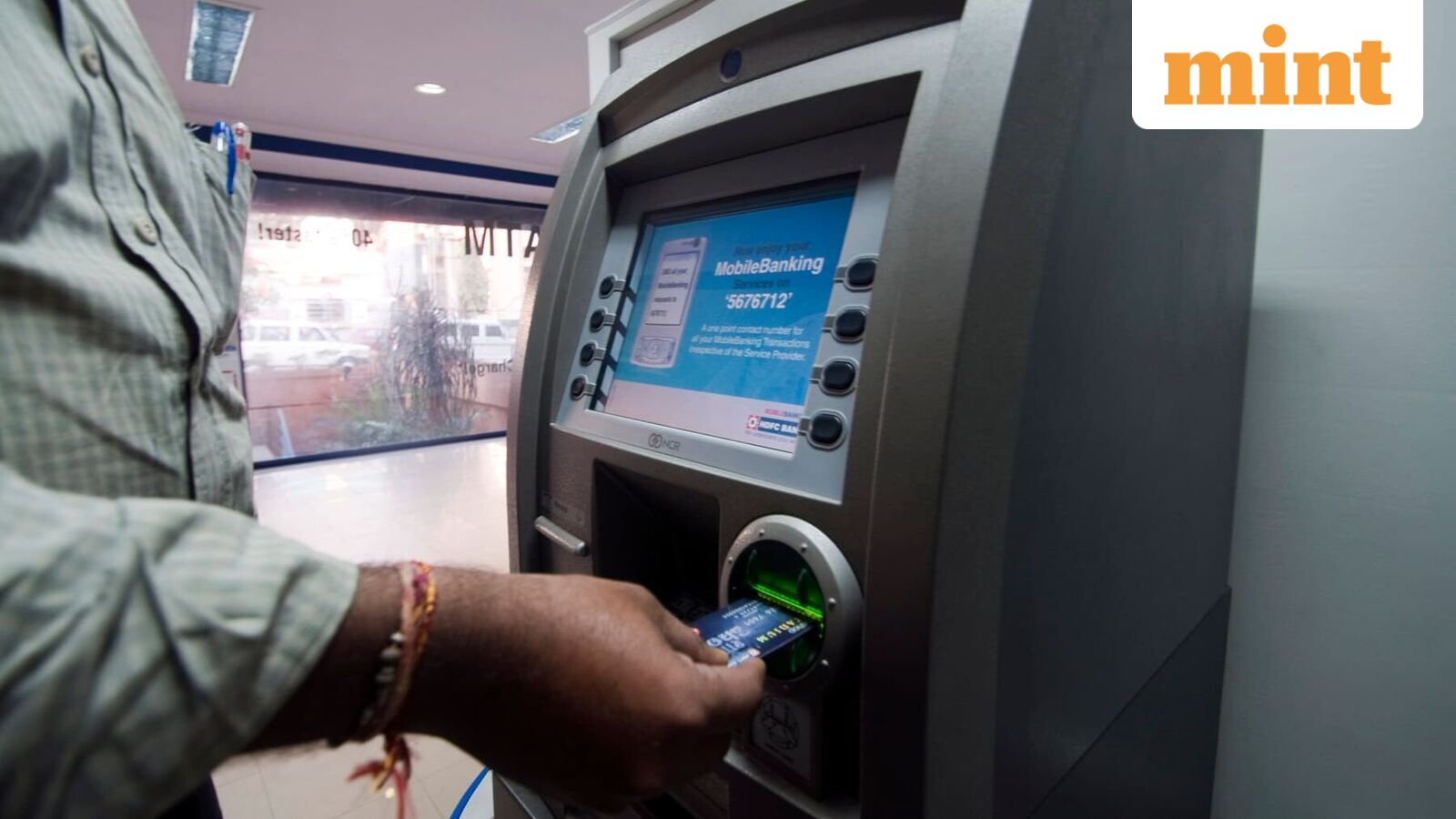
The operational implications of these scheduled closures are multifaceted. For consumers, the inability to visit a branch for cash deposits, withdrawals beyond ATM limits, cheque encashment, or face-to-face advisory services can be an inconvenience, particularly for those in rural areas or demographics less conversant with digital alternatives. Small and medium-sized enterprises (SMEs) often face challenges related to urgent payroll processing, vendor payments, or cash management if not adequately prepared. Large corporations, while typically leveraging robust electronic fund transfer systems, may encounter minor delays in high-value transactions or international remittances that sometimes require specific branch-level authentication or documentation. However, the Indian financial sector has proactively mitigated much of this disruption through a robust digital infrastructure. Online banking portals, mobile banking applications, and the ubiquitous Unified Payments Interface (UPI) remain fully functional, facilitating real-time transactions, bill payments, and inter-bank transfers. ATMs across the country continue to dispense cash, acting as crucial access points for liquidity during holidays. This dual system ensures that while the ‘brick-and-mortar’ aspect of banking pauses, the ‘always-on’ digital backbone continues to serve the nation’s financial needs.

From an economic perspective, the cumulative impact of bank holidays, while often localized and short-term, warrants analysis. Each non-working day for banks can theoretically translate into a minor, albeit temporary, dip in economic activity, particularly in sectors heavily reliant on physical cash transactions or immediate financial settlements. For instance, retail businesses in certain segments might experience a slight slowdown if customers cannot access banking services for large purchases or if merchants face delays in depositing daily collections. Studies from various emerging economies suggest that while a single bank holiday might have a negligible impact on quarterly GDP growth, a cluster of such holidays, especially around peak business periods, can lead to minor deferrals in investment decisions, trade settlements, and overall business velocity. However, the rise of digital payments has significantly cushioned this effect in India. The sheer volume of digital transactions, with UPI alone often processing billions of transactions monthly, demonstrates a powerful shift that keeps the economic engine running even when traditional bank counters are closed. This digital resilience helps maintain liquidity and transactional velocity, thereby minimizing the drag on productivity that might have been more pronounced a decade ago.
Comparing India’s approach to bank holidays with global practices reveals interesting contrasts. In many developed economies, while national holidays exist, the concept of a specific ‘bank holiday’ that uniformly closes all financial institutions for specific weekend days (like India’s 2nd and 4th Saturdays) is less common. Many countries have transitioned to a model where banking services, particularly digital and automated ones, operate 24/7, with physical branches either having reduced hours or operating on a case-by-case basis for national holidays. For example, the United Kingdom has designated "Bank Holidays" which often fall on Mondays, extending weekends, but many digital banking services remain active. In the United States, Federal Reserve holidays impact interbank clearing, but customer-facing digital services are generally uninterrupted. India’s model, a hybrid of fixed weekend closures and festival-specific holidays, reflects its unique social fabric and the varying levels of digital adoption across its diverse population. However, the global trend towards seamless, instant payment systems and digital-first banking continues to exert pressure on traditional operating models, pushing for greater availability of financial services regardless of the calendar.
Looking ahead, the trajectory of bank holidays in India is likely to be influenced by further digital transformation and evolving consumer expectations. While the social and cultural significance of national and regional festivals will undoubtedly ensure their continuation as non-working days, the operational impact of fixed weekend closures like the Fourth Saturday may diminish further as digital banking becomes the primary mode of interaction for an even larger segment of the population. The RBI, while upholding its regulatory mandate, consistently encourages and facilitates innovation in the digital payments space, recognizing its role in fostering financial inclusion and economic efficiency. Expert analysis suggests that as India moves towards a truly cashless or less-cash economy, the focus will increasingly shift from the physical closure of branches to ensuring the robustness and security of digital platforms. Financial institutions will continue to invest in AI-driven customer support, predictive analytics for fraud detection, and enhanced cybersecurity measures to guarantee uninterrupted and secure service delivery, irrespective of the holiday calendar.
For businesses, strategic financial planning around these predictable closures is paramount. This includes scheduling payroll disbursements in advance, ensuring sufficient cash reserves for immediate needs, and leveraging electronic payment systems for all routine transactions. For individuals, maintaining an active online banking account, understanding mobile payment functionalities like UPI, and utilizing ATMs for cash requirements are essential practices. The occasional bank holiday, such as those on February 28th and March 1st, 2026, serves as a periodic reminder of this dual reality: a banking system that respects traditional periods of rest for its workforce, while simultaneously leveraging cutting-edge technology to offer an uninterrupted continuum of financial services to a nation increasingly reliant on digital efficiency. The future of banking in India will undoubtedly be defined by how seamlessly these two imperatives continue to converge.