

The term "enshittification," popularized by technology commentator Cory Doctorow, initially described the progressive degradation of user experience on digital platforms like Amazon, Facebook, and Google. Doctorow posited a three-stage process: platforms first entice users with compelling services to build an audience and establish switching costs, then exploit these users to generate revenue for business clients (e.g., through prioritized ads), and finally, with both users and businesses locked in, they squeeze both sides to maximize their own profits, inevitably worsening the experience for everyone. While this critique primarily targeted the digital realm, a growing body of evidence suggests a similar dynamic is increasingly at play within the market for physical "smart" products, where manufacturers leverage digital control to extract additional value, often at the expense of consumer satisfaction and the fundamental concept of ownership.
The integration of internet connectivity, sophisticated sensors, proprietary firmware, embedded software, and advanced data analytics into tangible goods has profoundly reshaped traditional manufacturing business models. What were once straightforward transactions—a customer purchases a product and gains full ownership—are now evolving into complex relationships involving ongoing data exchange, service subscriptions, and manufacturer-controlled feature access. This digital infusion, initially heralded for creating new value and enhanced functionalities, has also paradoxically opened pathways for companies to implement strategies that can be likened to enshittification, converting outright ownership into a more precarious, service-dependent arrangement.
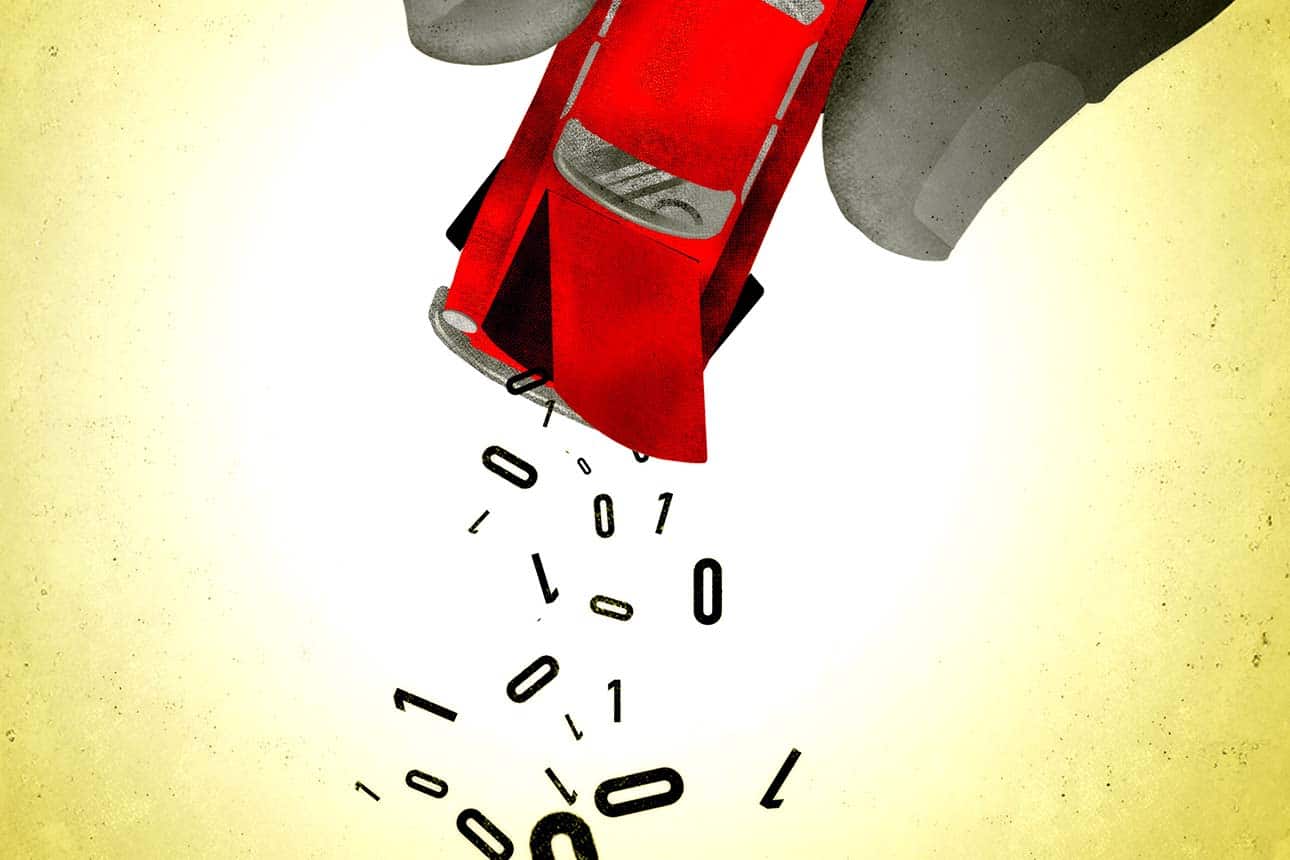
At the heart of this transformation is the ability of manufacturers to maintain unprecedented access to and control over products long after they have left the point of sale. This persistent digital tether allows for the collection and analysis of extensive user data, transforming physical assets into valuable data-generating entities. Consider the automotive industry, a prime example where digital capabilities have redefined the relationship between car owner and manufacturer. Modern vehicles, equipped with sophisticated telemetry systems, were initially designed to enhance safety and convenience through features like GPS navigation and stolen-vehicle tracking. However, these systems now routinely collect granular data on driving behaviors, routes, and vehicle performance. Major automakers, including General Motors and Ford, have reportedly entered agreements to sell this driving data to insurance providers, advertisers, and third-party mapping services, turning private user information into a lucrative, recurring revenue stream.
Beyond data monetization, manufacturers are increasingly using digital control to implement subscription-based models for features that were once standard or outright purchased. The controversial practice of charging recurring fees for built-in functionalities, such as heated seats or remote start capabilities in luxury vehicles, exemplifies this trend. Consumers pay a premium for a vehicle, only to find that certain physical features require an additional, ongoing payment to activate. This effectively transforms a capital expenditure into an operational one for the consumer, fundamentally altering the value proposition and blurring the lines of what "ownership" truly entails in the age of connected products.
This shift extends far beyond the automotive sector, permeating a wide array of consumer and industrial goods. In the realm of home electronics, printer manufacturers like HP have faced significant backlash for implementing "dynamic security" features through firmware updates. These updates often disable the use of third-party ink cartridges, forcing consumers to purchase more expensive proprietary supplies, or risk rendering their device non-functional. Similarly, smart home appliances, from refrigerators with interactive screens to washing machines with specialized cycles, often rely on cloud services or proprietary apps that can be updated, modified, or even discontinued by the manufacturer, potentially degrading functionality or requiring new subscriptions for features that were initially part of the purchase price.

The agricultural sector offers another stark illustration with companies like John Deere. Modern tractors and farming equipment are highly digitized, relying on complex software and GPS systems. Farmers have reported significant challenges in repairing their own equipment due to software locks and proprietary diagnostic tools, forcing them to rely on authorized dealers for costly repairs and maintenance. This vendor lock-in not only inflates operational costs for farmers but also undermines their autonomy and the long-standing tradition of self-sufficiency in agricultural communities, impacting the efficiency and profitability of their businesses.
The economic rationale behind this trend is clear: recurring revenue models offer greater financial stability and higher profit margins compared to one-time sales. The global subscription economy has seen exponential growth, with market projections indicating a continuous upward trajectory, incentivizing companies to convert product features into ongoing services. For instance, the global IoT market, which underpins many smart products, is expected to exceed trillions of dollars in the coming years, driven partly by service and data monetization. Companies can leverage an installed base of connected devices to generate continuous income streams, making products less about outright purchase and more about ongoing engagement with a service ecosystem. This shift, however, carries significant implications for consumer trust and market competition.
From the consumer perspective, the rise of "smart" product enshittification manifests as a gradual erosion of value and autonomy. The psychological impact of owning a physical product whose core functionalities can be remotely altered, disabled, or locked behind a paywall is profound. It challenges the traditional understanding of property rights, replacing true ownership with what feels more like an extended lease or a conditional license. Privacy concerns are also paramount, as continuous data collection from devices—ranging from smart thermostats to fitness trackers—creates a detailed digital footprint that can be exploited, often without explicit, informed consent.
Regulatory bodies and consumer advocacy groups globally are beginning to respond to these challenges. The "Right to Repair" movement, gaining traction in various U.S. states and within the European Union, aims to empower consumers and independent repair shops to fix their own devices without proprietary restrictions. Legislation like the Digital Markets Act in the EU also seeks to curb the market power of large tech platforms, which could indirectly influence the practices of smart product manufacturers. These efforts reflect a growing recognition that the current trajectory of digital control over physical goods could lead to anti-competitive practices, stifle innovation in aftermarket services, and ultimately harm consumer welfare.
Looking ahead, the tension between corporate profit motives and consumer rights in the smart product landscape is set to intensify. Companies face a critical juncture: continue down the path of maximizing digital control and recurring revenue, risking widespread consumer backlash and increased regulatory scrutiny, or prioritize transparency, genuine ownership, and a more ethical approach to product design and data utilization. The long-term sustainability of the smart product market hinges on finding a balance that delivers genuine innovation and value to consumers without undermining their sense of ownership or infringing on their privacy. Failure to do so risks not only diminishing brand loyalty but also fostering an environment where the promise of smart technology devolves into a pervasive and frustrating experience of perpetual extraction.