

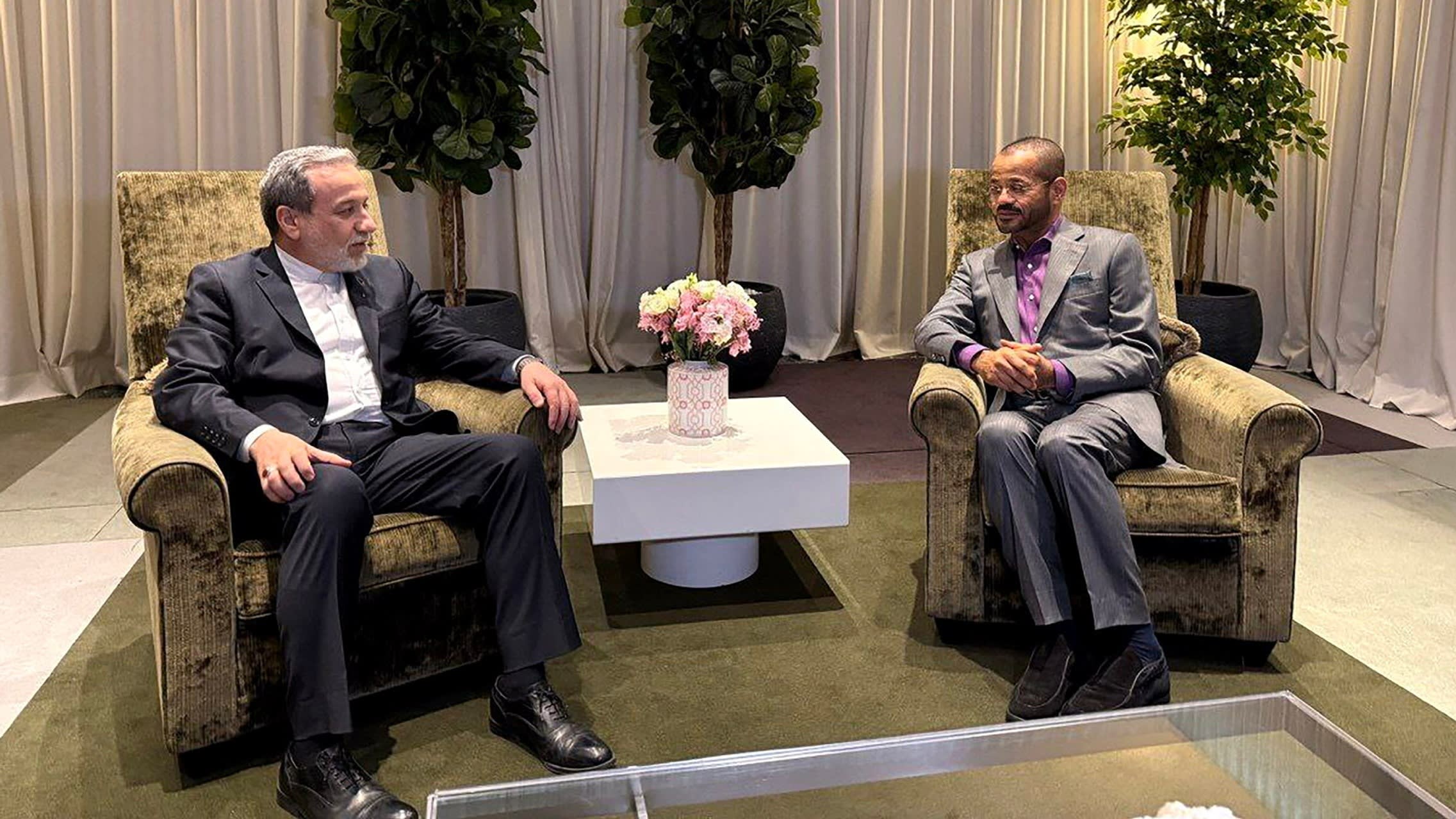
The landscape of Middle Eastern diplomacy is witnessing a subtle but significant recalibration as mediators report tangible progress in the long-stalled nuclear negotiations between the United States and the Islamic Republic of Iran. While the specifics of these "understandings" remain closely guarded by diplomatic intermediaries—likely involving regional players such as Oman and Qatar—the shift suggests a move away from the brink of a broader regional conflagration toward a pragmatic, if fragile, de-escalation. This renewed momentum arrives at a critical juncture for the global economy, where the intersection of energy security, maritime trade stability, and nuclear non-proliferation creates a high-stakes environment for international markets.
The current diplomatic thaw must be viewed through the lens of the 2015 Joint Comprehensive Plan of Action (JCPOA), a landmark agreement that once limited Iran’s nuclear activities in exchange for sanctions relief. Following the unilateral withdrawal of the United States in 2018 and the subsequent "maximum pressure" campaign, the architectural integrity of that deal crumbled. Iran responded by incrementally breaching the pact’s limits, significantly increasing its stockpile of enriched uranium and deploying advanced centrifuges. Today, the challenge for negotiators is not merely a return to the 2015 status quo, but the construction of a "JCPOA-minus" or an informal "freeze-for-freeze" arrangement intended to prevent a nuclear breakout while providing Tehran with much-needed economic breathing room.
From a macroeconomic perspective, the stakes for Iran are existential. The Iranian economy has been characterized by chronic instability, fueled by systemic sanctions that have severed its ties to the global financial system. According to data from the International Monetary Fund (IMF) and the World Bank, Iran has faced persistent double-digit inflation, often hovering between 40% and 50%, which has severely eroded the purchasing power of the Iranian Rial. The devaluation of the national currency has made imports prohibitively expensive, leading to shortages of essential goods and medicines. For Tehran, any progress in nuclear talks is inextricably linked to the unfreezing of billions of dollars in oil revenues currently held in foreign accounts, particularly in jurisdictions like South Korea and Iraq.
The global energy market remains the most sensitive barometer of these diplomatic developments. Iran sits atop the world’s second-largest natural gas reserves and fourth-largest proven oil reserves. Despite heavy US sanctions, Iranian oil exports have shown remarkable resilience, climbing to an estimated 1.5 million barrels per day (bpd) in recent months, with much of the supply flowing to independent refineries in China. A formal or even informal easing of sanctions could potentially bring an additional 1 million to 1.5 million bpd back into the official global market. In an era of volatile Brent crude prices and ongoing supply cuts by the OPEC+ alliance, the re-integration of Iranian crude represents a significant "wild card" for global energy analysts. An influx of Iranian supply could provide a downward pressure on global fuel prices, offering a disinflationary tailwind for Western economies struggling with high interest rates.
However, the technical complexities of the nuclear file remain a formidable barrier to a comprehensive resolution. Reports from the International Atomic Energy Agency (IAEA) have consistently highlighted concerns regarding Iran’s enrichment of uranium to 60% purity—a level with no credible civilian use and dangerously close to the 90% threshold required for weapons-grade material. Mediators are reportedly focused on a "stop-and-verify" approach, where Iran would cap its enrichment levels and increase cooperation with IAEA inspectors in exchange for targeted sanctions waivers. This incrementalism reflects a shift in strategy; rather than seeking a "grand bargain," the parties are pursuing a series of "quiet understandings" designed to lower the temperature without the need for formal legislative approval in Washington or Tehran, both of which face significant domestic opposition to concessions.
The geopolitical context of these talks is further complicated by the shifting alliances in the Middle East. The 2023 China-brokered rapprochement between Iran and Saudi Arabia fundamentally altered the regional calculus, signaling a desire among Gulf monarchies to prioritize economic diversification and the "Vision 2030" goals over protracted sectarian conflict. For Riyadh and Abu Dhabi, a stable Iran that is integrated into the regional economy is preferable to a nuclear-armed Iran or a direct military confrontation that would threaten vital infrastructure and tourism hubs. This regional pivot has created a more conducive environment for US-Iran dialogue, as traditional American allies in the Gulf are now actively encouraging de-escalation.
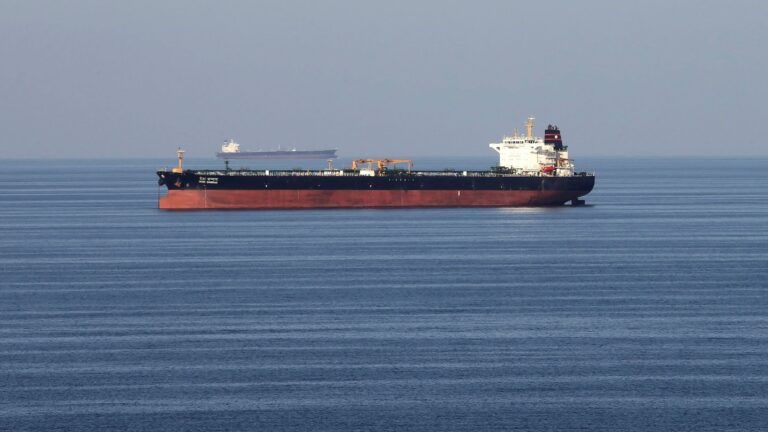
Furthermore, the role of maritime security cannot be overstated. The Strait of Hormuz, through which approximately 20% of the world’s total oil consumption passes, has frequently been a theater for "shadow wars" involving tanker seizures and drone strikes. Progress in nuclear talks is often a prerequisite for ensuring the safety of these critical shipping lanes. A reduction in tensions would likely lead to a decrease in insurance premiums for global shipping and a stabilization of the "war risk" surcharges that have plagued the maritime industry since 2019. For the global logistics sector, already strained by disruptions in the Red Sea and the Panama Canal, a secure Persian Gulf is essential for maintaining the fluidity of international trade.
When compared to other global nuclear flashpoints, such as the Korean Peninsula or the deteriorating arms control framework between the US and Russia, the Iran situation offers a unique blend of high risk and high diplomatic opportunity. Unlike North Korea, Iran remains—at least nominally—within the framework of the Non-Proliferation Treaty (NPT) and continues to engage in dialogue with the IAEA. This suggests that a diplomatic off-ramp remains viable, provided the economic incentives are sufficiently robust and the political guarantees are perceived as credible.
Expert insights suggest that the Biden administration’s approach is rooted in a policy of "deterrence and diplomacy." By maintaining a strong military presence in the region while simultaneously signaling an openness to talks, Washington aims to contain Iran’s nuclear ambitions without being dragged into another Middle Eastern war. However, the domestic political landscape in the United States remains a significant hurdle. With a looming election cycle, any perceived "softness" on Tehran is subject to intense scrutiny from Congressional hawks. Conversely, the Iranian leadership faces its own internal pressures, balancing the need for economic relief with a hardline ideology that views cooperation with the "Great Satan" with deep suspicion.
The economic impact of a successful de-escalation would extend beyond oil. A stabilized Iran could eventually re-emerge as a significant market for European and Asian manufactured goods, aviation technology, and infrastructure investment. Before the 2018 sanctions, major European firms like TotalEnergies, Siemens, and Airbus had signed multi-billion-dollar deals with Iranian entities. While a return to that level of engagement is unlikely in the short term, the potential for "secondary trade" and humanitarian channels offers a glimpse of the economic dividends that peace could bring.
In conclusion, the reports of progress in the US-Iran nuclear talks represent a cautious victory for quiet diplomacy over "maximum pressure." While a full restoration of the JCPOA remains elusive, the move toward a managed de-escalation offers a vital safety valve for a region on edge. For the global economy, the stakes involve more than just the price of a barrel of oil; they encompass the stability of global trade routes, the integrity of the nuclear non-proliferation regime, and the potential for a major regional power to transition from an isolated pariah to a stable economic actor. As mediators continue their shuttle diplomacy between Washington and Tehran, the world watches closely, recognizing that in the delicate balance of Middle Eastern politics, "progress" is a fragile commodity that must be nurtured with both economic pragmatism and strategic patience.