


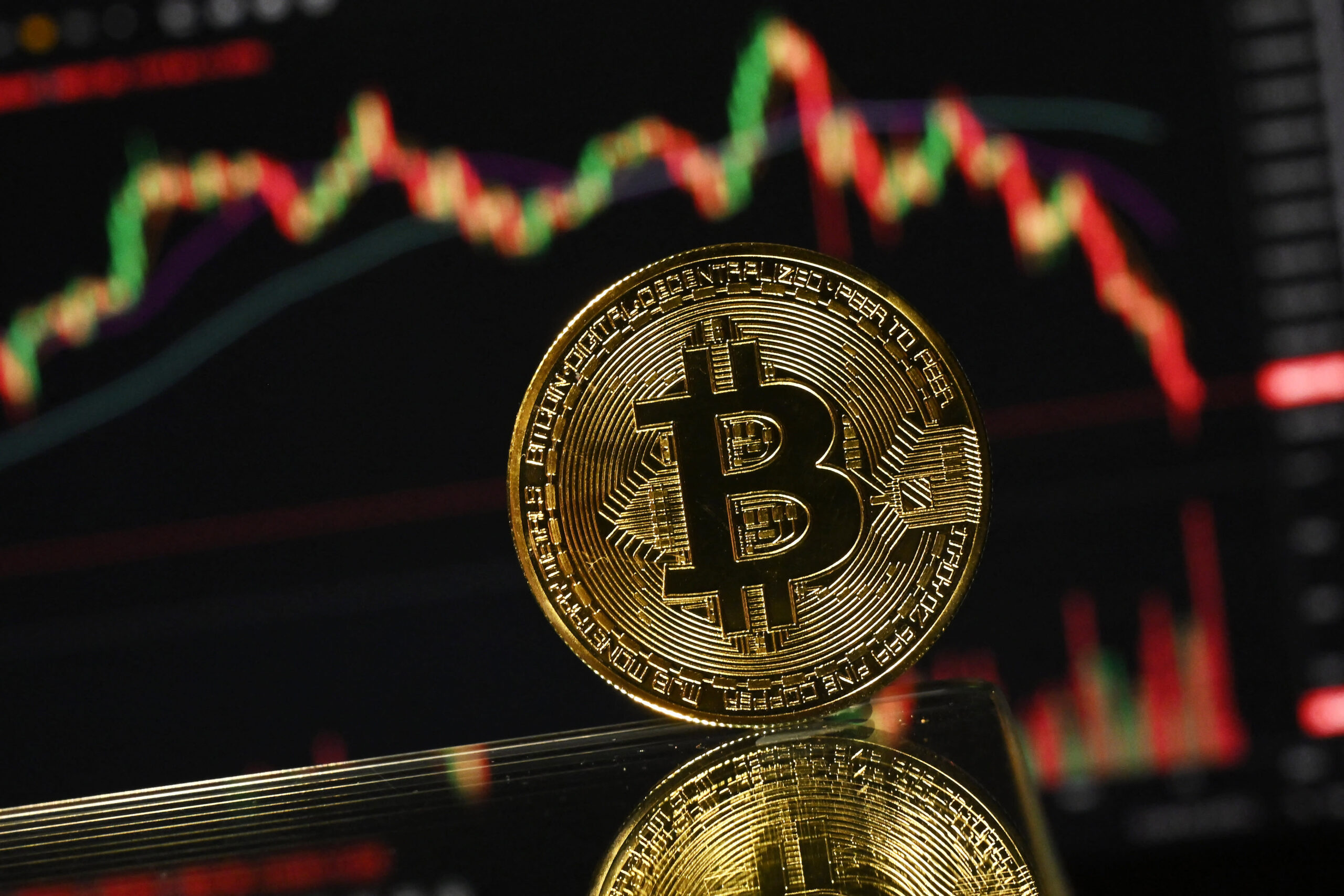
The digital asset market faced a significant stress test on Tuesday as Bitcoin, the world’s premier cryptocurrency, experienced a sharp retreat, momentarily sliding beneath the $73,000 threshold. This downward movement marked the asset’s lowest valuation in nearly 16 months, signaling a period of intensified volatility that has left investors and market analysts questioning the short-term stability of the broader blockchain ecosystem. The intraday plunge saw the token bottom out at $72,884.38, representing a contraction of more than 6% within a single trading session. This particular price point resonates with historical significance, as it reflects the lowest levels observed since early November 2024, when the market was navigating a different set of macroeconomic hurdles.
While the asset managed a modest recovery toward the end of the East Coast trading day, hovering around $75,658.95, the damage to market sentiment was evident. The ripple effects of Bitcoin’s slide were felt across the equity markets, particularly among firms with significant balance sheet exposure to the digital currency. MicroStrategy, a prominent enterprise software firm that has effectively transitioned into a Bitcoin treasury powerhouse, saw its shares decline by more than 4% by the closing bell. The correlation between Bitcoin’s spot price and the equity performance of major corporate holders underscores the growing interconnectedness between traditional finance and the decentralized economy.
The current downturn is not an isolated incident but rather the culmination of a broader trend that has seen Bitcoin shed approximately 16% of its value since the start of the year. This year-to-date performance stands in stark contrast to the bullish momentum that characterized much of the previous year. Analysts point to a fundamental shift in investor behavior, characterized by a persistent rotation out of "risk-on" assets. In an environment defined by heightened geopolitical tensions and a tightening global liquidity tap, the appetite for high-beta investments like cryptocurrencies has diminished in favor of more defensive positions, such as gold or short-term sovereign debt.
Compounding these market jitters is a unique domestic complication within the United States: a partial government shutdown. The cessation of non-essential federal operations has resulted in a significant "data vacuum," as the release of crucial economic indicators—including Consumer Price Index (CPI) updates and labor market statistics—has been indefinitely delayed. For institutional investors who rely on these metrics to calibrate their models and anticipate Federal Reserve policy shifts, the absence of official data creates a fog of uncertainty. In the financial world, uncertainty is often the precursor to selling, as participants move to the sidelines until the outlook becomes clearer.
Beyond the immediate macroeconomic landscape, the cryptocurrency industry continues to grapple with systemic internal pressures. Rob Hadick, a general partner at the crypto-focused venture firm Dragonfly Capital, suggests that the current price action is the result of a multifaceted "liquidation overhang." This phenomenon occurs when large quantities of an asset are sold off in a forced or semi-forced manner, often due to margin calls or the winding down of distressed portfolios. When these sell orders hit the order books without a corresponding surge in buying demand, it creates a cascading effect that drives prices lower.
The regulatory environment also remains a primary source of friction. Lawmakers in Washington and other global financial hubs are currently locked in debates over the implementation of "legislative guardrails" designed to govern the digital asset space. While many industry participants welcome the prospect of clarity, the lack of a finalized framework creates a "regulatory purgatory." Investors are wary of committing significant capital to an asset class that could face sudden shifts in tax treatment, reporting requirements, or operational legality. This sentiment is particularly acute in the United States, where the jurisdictional tug-of-war between the Securities and Exchange Commission (SEC) and the Commodity Futures Trading Commission (CFTC) continues to cloud the path forward for crypto-native businesses.
Despite the prevailing bearishness, seasoned observers like Hadick argue that the underlying fundamentals of the cryptocurrency market remain robust. One of the most significant developments in recent months has been the continued proliferation and integration of stablecoins. These digital assets, pegged to traditional fiat currencies, have become essential infrastructure for global trade and cross-border remittances, providing a bridge between the legacy financial system and the blockchain. Furthermore, the trend toward the "tokenization" of real-world assets (RWA)—such as real estate, private equity, and Treasury bills—is gaining significant traction among both retail and institutional cohorts.
The restructuring of the market is viewed by many as a necessary evolution. The "washout" of speculative leverage often paves the way for a more sustainable growth phase driven by utility rather than pure price appreciation. The current pullback, while painful for those with long positions, is seen by some as a healthy correction that brings valuations back in line with historical averages after the exuberance of late 2024. Market analysts frequently highlight that Bitcoin’s history is defined by cycles of extreme volatility, and the current 16% year-to-date decline is relatively modest when compared to previous "crypto winters" where drawdowns often exceeded 50% or more.
Looking at the global picture, the divergence in regional adoption and regulation provides a complex backdrop for Bitcoin’s price discovery. While the U.S. market struggles with legislative delays and data gaps, other regions are moving forward with more definitive stances. The European Union’s Markets in Crypto-Assets (MiCA) regulation has provided a blueprint for other jurisdictions, potentially shifting the center of gravity for digital asset innovation away from North America. Meanwhile, in Asia, the re-emergence of retail interest in jurisdictions like Hong Kong offers a counter-narrative to the selling pressure observed in Western markets.
The role of institutional players also remains a critical variable. While some firms have trimmed their exposure in response to the "risk-off" environment, the infrastructure for institutional participation is more sophisticated than ever before. The availability of spot ETFs, robust custodial solutions, and sophisticated derivatives markets means that the barriers to entry for pension funds and insurance companies have largely been dismantled. The question is no longer whether these institutions can invest, but when they will feel the risk-reward profile is favorable enough to re-enter the market at scale.
As the trading week progresses, the focus will remain on the U.S. government’s ability to resolve its budgetary impasse and resume the flow of economic data. Until then, Bitcoin is likely to remain sensitive to every headline regarding geopolitical strife or regulatory movements. The $73,000 level will be closely watched by technical analysts as a key support zone; a sustained breach below this mark could open the door for further tests of psychological support at the $70,000 level. Conversely, if the macro clouds begin to part, the current "oversold" conditions could provide the catalyst for a sharp relief rally.
In summary, the recent slide in Bitcoin’s price to a 16-month low is a stark reminder of the asset’s sensitivity to the broader world economy. It is not merely a "crypto story" but a "macro story," reflecting the anxieties of a global financial system navigating political gridlock, inflationary fears, and a shifting technological landscape. While the short-term outlook is clouded by liquidations and legislative uncertainty, the long-term constructive outlook maintained by industry experts suggests that the digital asset class is currently in a state of transition rather than terminal decline. As the market continues to restructure itself, the resilience of Bitcoin as a decentralized store of value will once again be put to the ultimate test.