

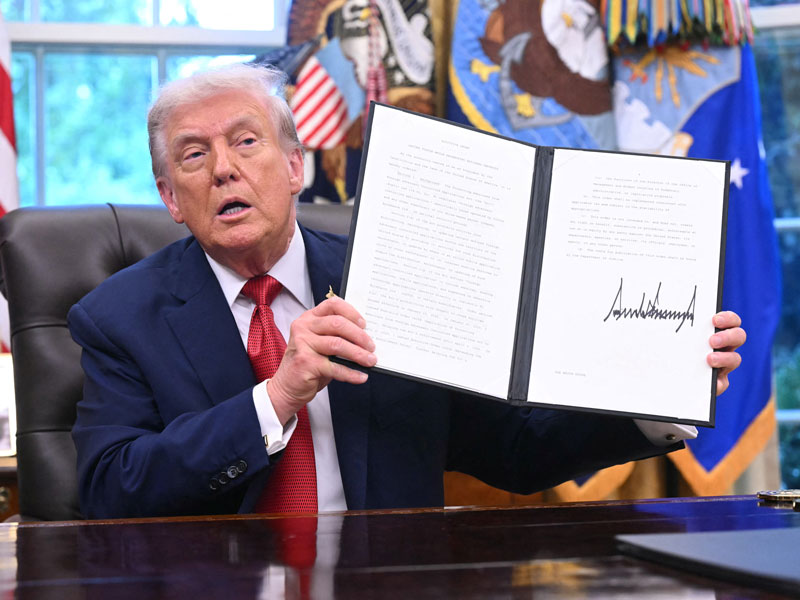
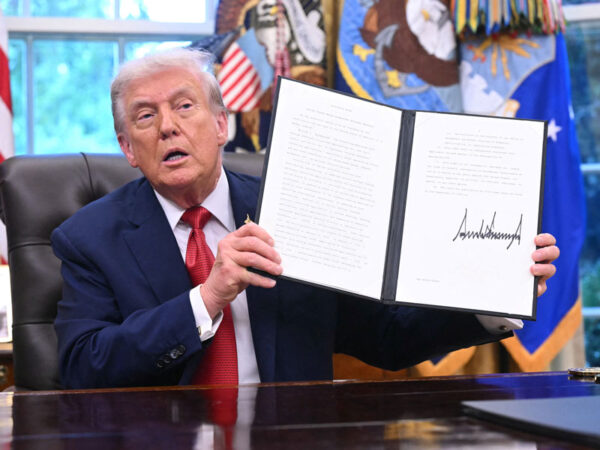
After a protracted period of intense scrutiny, diplomatic friction, and a series of deferred deadlines, a significant shift in the ownership structure of the globally popular social media platform TikTok has been orchestrated, ostensibly transferring its operations within the United States to American control. This latest development, culminating in an executive order signed by then-President Donald Trump, concludes years of escalating tensions between Washington and Beijing, marked by legal challenges, governmental interventions at both federal and state levels, and even judicial pronouncements. However, a closer examination of the intricate terms of this "framework consensus" reveals that while the app’s operational footprint in the U.S. may change hands, China retains a potent strategic advantage, particularly through its continued command of the very algorithms that propelled TikTok to unprecedented cultural and economic influence worldwide.
The immediate narrative surrounding the agreement frames it as a decisive victory for the United States. The proposed structure involves a new American entity, purportedly controlled by Oracle and a coalition of U.S. investors, acquiring an 80% stake in TikTok’s U.S. operations. Under this arrangement, all data pertaining to American users would be housed on Oracle’s servers located within Texas. Furthermore, the new U.S. entity would be granted a license to utilize TikTok’s proprietary recommendation algorithms, with provisions for their retraining using American user data. The governance structure also appears to lean heavily towards U.S. interests, with six out of seven board seats designated for American appointees. This tripartite strategy – U.S. data sovereignty, physical infrastructure within the U.S., and ostensibly American control over the platform’s core technology – was designed to assuage national security concerns and present a tangible win for the administration. The deal even includes a financial component, with investors reportedly set to make a substantial payment, framed as a transaction fee for facilitating the resolution with China.
However, a deeper dive into the financial and technological underpinnings of the agreement reveals a far more nuanced, and potentially advantageous, outcome for Beijing. Global investors already hold approximately 60% of ByteDance, TikTok’s parent company, with its founders and employees collectively owning the remaining 40%. The new arrangement, therefore, elevates U.S. ownership of the American operational arm to 80%, while ByteDance retains a significant, albeit minority, stake of just under 20%. This means ByteDance remains the single largest shareholder in the newly formed U.S. entity. More critically, the intellectual property that forms the bedrock of TikTok’s highly effective recommendation algorithms remains firmly under ByteDance’s purview. The U.S. investors are not acquiring ownership of this core technology; they are merely licensing a copy, a distinction with profound implications for future control and innovation.
The critical vulnerability lies in the dynamic nature of these sophisticated algorithms. Unlike static physical assets, algorithms are not one-time transfers; they are living, data-dependent systems that require continuous refinement, adaptation, and substantial engineering oversight to maintain their efficacy and competitive edge. While Oracle may be permitted to inspect the source code and retrain the licensed version on U.S. data, the American TikTok will remain reliant on China for ongoing updates and improvements. This dependency raises significant questions about the transparency and integrity of these future updates. Will Oracle receive them in a timely manner? Will it possess the technical expertise and autonomy to effectively monitor and audit them for any hidden functionalities or vulnerabilities? The potential for subtle alterations or strategic delays in providing critical updates could significantly hamper the performance and competitiveness of the U.S. version of TikTok.
Moreover, the power of an algorithm is intrinsically linked to the breadth and diversity of the data it processes. By restricting the U.S. version of TikTok to exclusively U.S. user data for its retraining, Oracle and its partners are inherently disadvantaged. They will lack access to the vast, global dataset that currently fuels ByteDance’s cutting-edge models, thereby limiting the potential for innovation and preventing the U.S. version from achieving the same level of sophistication and user engagement as its global counterpart. This creates a technological disparity that favors the original development team.
From a diplomatic and strategic standpoint, China holds significant leverage through its export control regime. Since 2020, personalized recommendation algorithms have been classified as sensitive technology, requiring government approval for any export or transfer of updates and improvements. This regulatory framework grants Beijing the authority to approve, delay, or reject any technological enhancements to TikTok’s algorithm. This power transforms TikTok into a potent diplomatic tool for China. In the event of heightened geopolitical tensions – whether concerning Taiwan, trade disputes, regional conflicts, or restrictions on critical technology exports like advanced semiconductors – China could strategically leverage its control over algorithm updates. By withholding or delaying approvals, Beijing could effectively use TikTok as a bargaining chip in broader geopolitical negotiations, further solidifying its influence on the global stage. This situation moves beyond a simple business transaction and enters the realm of statecraft, where technological assets are wielded as instruments of national policy.
For U.S. investors involved in the new TikTok entity, this licensing arrangement signifies a future fraught with considerable uncertainty, dictated less by contractual obligations and more by the fluid dynamics of international relations. The agreement, rather than definitively shifting control from Chinese to American hands, effectively substitutes one form of dependence for another. While the day-to-day management of content recommendations may transition to Oracle, alleviating immediate U.S. government concerns about direct algorithmic manipulation, China’s residual control over the core technological engine remains. Beijing retains the prerogative to define the scope of the license, dictate the frequency of updates, and determine whether the U.S. version can maintain parity with the global iteration. This arrangement risks not diminishing China’s influence but rather entrenching it in a more subtle, yet potentially more enduring, manner.
The immediate fears surrounding potential Chinese access to American user data or direct algorithmic manipulation may be mitigated. However, these concerns are replaced by a more pervasive and long-term risk: technological dependence on China, which effectively holds a chokehold on TikTok’s most valuable asset – its powerful recommendation engine. The administration has, in essence, traded one form of vulnerability for another. Ironically, a less competitive, technologically constrained version of TikTok operating in the U.S. market might not be entirely detrimental from certain perspectives. Some analysts suggest that a less addictive platform could ultimately benefit American teenagers, potentially leading to reduced screen time and improved well-being, even if users are not consciously aware of this outcome. This subtle shift in the platform’s competitive standing and user engagement profile could represent an unintended, yet perhaps beneficial, consequence of this complex geopolitical maneuver.