


The benchmark S&P 500 index has crossed the historic 7,000-point threshold for the first time, marking a watershed moment in financial history that underscores the relentless momentum of the American equity market. This psychological and technical breakthrough comes as a testament to the enduring strength of the U.S. economy, the transformative potential of artificial intelligence, and a corporate earnings season that has consistently defied the gravity of elevated interest rates. As the closing bell rang on the New York Stock Exchange, the index’s ascent to this new peak signaled more than just a numerical achievement; it represented a fundamental recalibration of investor expectations in an era of rapid technological disruption.
The journey to 7,000 has been remarkably swift, highlighting a period of intense capital concentration and optimism. It was only in early 2024 that the index first breached the 5,000 mark, and the subsequent climb to 6,000 and now 7,000 has occurred at a velocity that has caught many institutional strategists off guard. Historically, the S&P 500 took decades to move between major thousand-point milestones; however, the current cycle has been compressed by a unique confluence of massive liquidity, a robust labor market, and a paradigm shift in productivity driven by generative AI.
At the heart of this rally is the continued dominance of the "Magnificent Seven" and a broadening cohort of technology giants. Companies such as Nvidia, Microsoft, and Alphabet have seen their market capitalizations swell to unprecedented levels, as investors bet heavily on the infrastructure and applications of the next industrial revolution. Nvidia, in particular, has acted as the vanguard of this movement, with its high-performance chips becoming the "new oil" of the digital economy. The hardware provider’s meteoric rise has provided the index with the necessary thrust to clear technical resistance levels that many analysts previously considered insurmountable within this fiscal year.
However, the climb to 7,000 is not solely a story of Silicon Valley. Market data suggests a significant "broadening" of the rally in recent months. While technology remains the primary engine, cyclical sectors such as financials, industrials, and even energy have begun to contribute more meaningfully to the index’s gains. This diversification of the bull market suggests a growing confidence among investors that the U.S. economy is successfully navigating a "soft landing"—a scenario where inflation returns to the Federal Reserve’s 2% target without triggering a recessionary spiral.
The Federal Reserve’s role in this milestone cannot be overstated. After a period of aggressive monetary tightening that saw interest rates reach their highest levels in over two decades, the central bank’s recent pivot toward a more neutral stance has provided a favorable backdrop for equities. Investors are currently pricing in a series of calibrated rate cuts, which has lowered the cost of capital for corporations and increased the present value of future earnings. This "Goldilocks" environment—where growth remains resilient while inflationary pressures subside—has created a fertile ground for the S&P 500’s record-breaking run.
From a valuation perspective, the S&P 500’s breach of 7,000 has reignited debates regarding market overheating. The forward price-to-earnings (P/E) ratio for the index now sits well above its 10-year average, prompting some analysts to draw parallels to the dot-com era of the late 1990s. Critics argue that the premium currently paid for American stocks is historically stretched, leaving little room for error if earnings growth fails to meet lofty projections. Yet, bulls counter that today’s leaders are fundamentally different from those of the 1990s, characterized by massive cash flows, high margins, and dominant competitive moats that justify their current valuations.
When viewed through a global lens, the S&P 500’s performance continues to outshine its international peers. While the Euro Stoxx 50 and Japan’s Nikkei 225 have posted respectable gains, they have struggled to match the sheer scale and consistency of the U.S. benchmark. The American market’s ability to attract global capital remains unrivaled, driven by the depth of its capital markets and its role as the global hub for innovation. As European economies grapple with structural energy challenges and China faces a protracted real estate crisis and demographic headwinds, the U.S. equity market has consolidated its position as the preferred destination for institutional and retail investors alike.
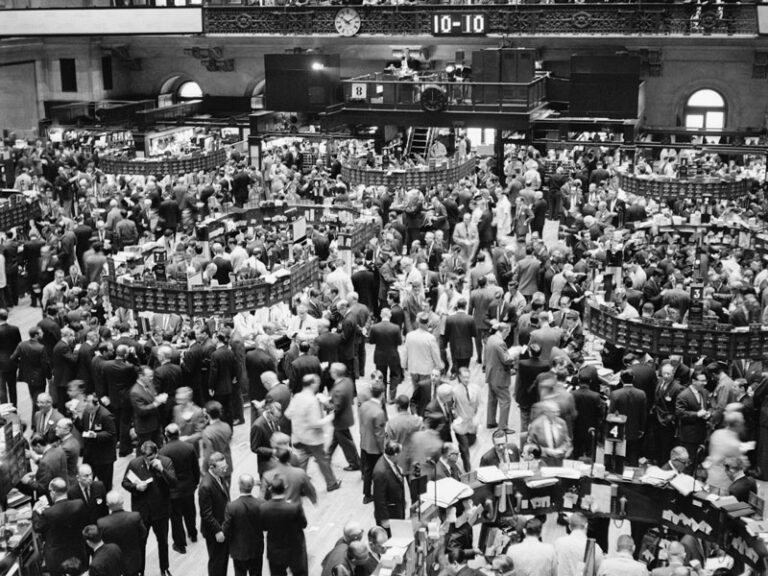
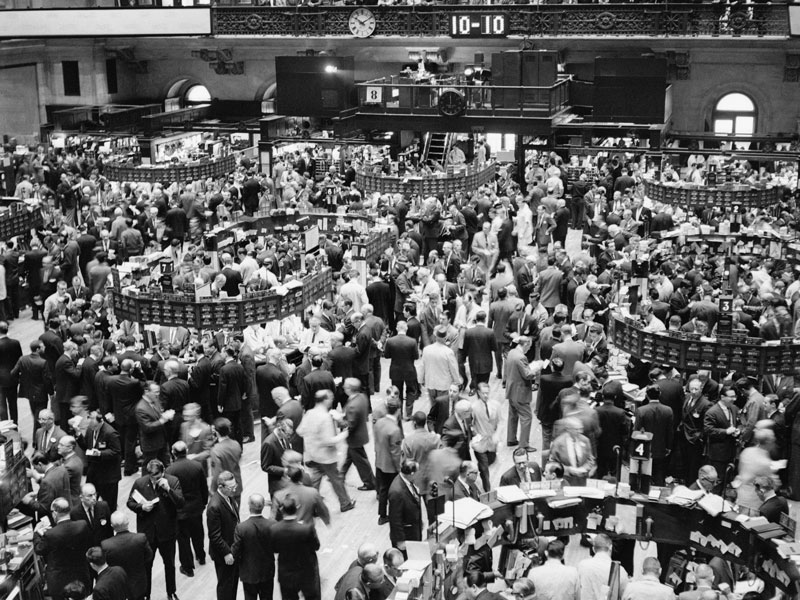
The economic impact of the S&P 500 reaching 7,000 extends beyond the trading floors of Lower Manhattan. The "wealth effect" generated by this surge is substantial, as millions of Americans see the value of their 401(k) plans and brokerage accounts reach all-time highs. This increase in household net worth often translates into higher consumer confidence and increased spending, which in turn fuels the very corporate profits that drive the index higher. However, economists also warn of the widening wealth gap that such a market-driven expansion can exacerbate, as those without exposure to the equity markets find themselves increasingly sidelined from the benefits of the current boom.
Looking ahead, the path beyond 7,000 is fraught with both opportunity and risk. Geopolitical tensions in the Middle East and Eastern Europe remain a persistent source of volatility, with the potential to disrupt global supply chains and spike energy prices. Domestically, the political landscape and the specter of shifting fiscal policies could introduce new uncertainties for corporate America. Furthermore, the "concentration risk" within the index remains a concern; because the S&P 500 is market-cap weighted, a significant downturn in just a handful of tech titans could easily pull the entire index back below the 7,000 mark.
Institutional investors are also closely watching the credit markets. While equity investors celebrate, the bond market has shown signs of nervousness, with yields on the 10-year Treasury note fluctuating in response to shifting inflation data. If long-term borrowing costs begin to climb again, the valuation of high-growth tech stocks—which are particularly sensitive to interest rate movements—could come under renewed pressure. The sustainability of the 7,000 level will likely depend on whether corporate earnings can continue to outpace these macroeconomic headwinds.
Expert insights suggest that for the S&P 500 to maintain its footing above 7,000, the "AI trade" must transition from a narrative of potential to a reality of proven productivity gains across the broader economy. We are entering a phase where investors will no longer be satisfied with promises of future AI-driven growth; they will demand to see it reflected in the bottom lines of retailers, manufacturers, and service providers. If the technology can indeed deliver a structural boost to margins, 7,000 may eventually be viewed as a mere pitstop on the way to even higher elevations.
In conclusion, the S&P 500’s ascent to 7,000 is a landmark achievement that reflects a unique era of American economic resilience and technological ambition. It serves as a powerful reminder of the market’s capacity to look past immediate hurdles and price in a future defined by innovation. While the milestone brings with it questions of sustainability and valuation, the momentum currently behind U.S. equities suggests that the "animal spirits" of Wall Street remain very much alive. Whether 7,000 becomes a stable floor or a temporary ceiling remains to be seen, but for now, the global financial community is witnessing the continued dominance of the American corporate machine in an increasingly complex world. As the market digests this new reality, the focus shifts to the next frontier, with the lessons of the climb to 7,000 providing a roadmap for the challenges and triumphs yet to come.