


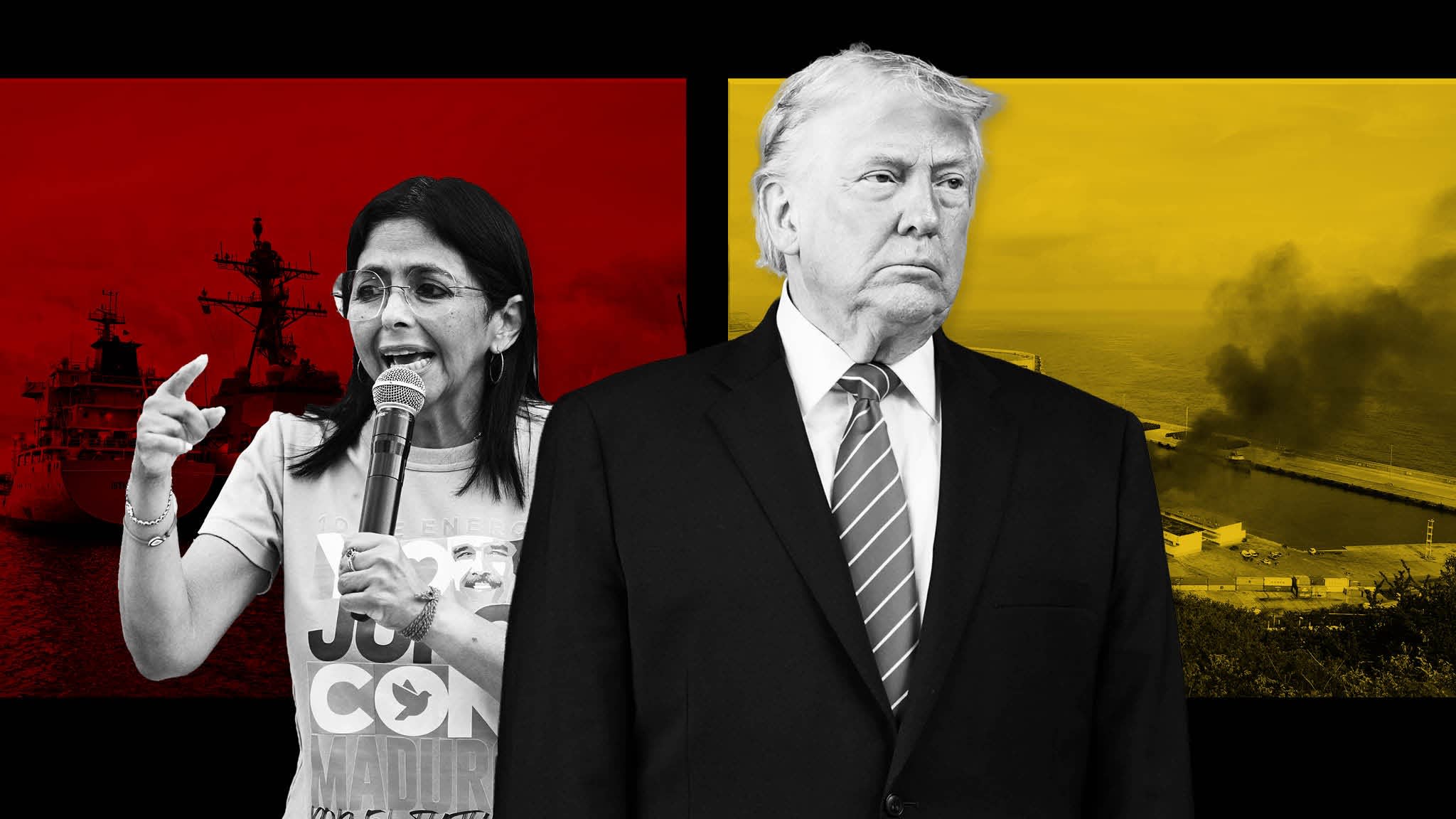
The geopolitical landscape of South America currently hinges on a singular, volatile point of tension: the future of Venezuela. Following a presidential election that has been widely condemned by international observers and contested by a revitalized domestic opposition, the nation stands at a critical juncture that will determine its economic trajectory for the next decade. The discrepancy between the official results announced by the National Electoral Council (CNE) and the tally sheets collected by the opposition has not only sparked domestic unrest but has also reignited a complex international debate over sanctions, energy security, and the legitimacy of the Nicolás Maduro administration.
For global markets and regional neighbors, the stakes are profoundly high. Venezuela, once the wealthiest nation in Latin America per capita, has endured one of the most severe economic contractions in modern history outside of wartime. Since 2014, the country’s Gross Domestic Product (GDP) has shrunk by approximately 75%, a collapse driven by a combination of systemic mismanagement, corruption, and the crushing weight of international sanctions. As the dust settles on the latest electoral cycle, the fundamental question for economists and policy analysts is whether the country is headed toward a period of pragmatic reform and reintegration into the global financial system, or toward deeper isolation and institutional decay.
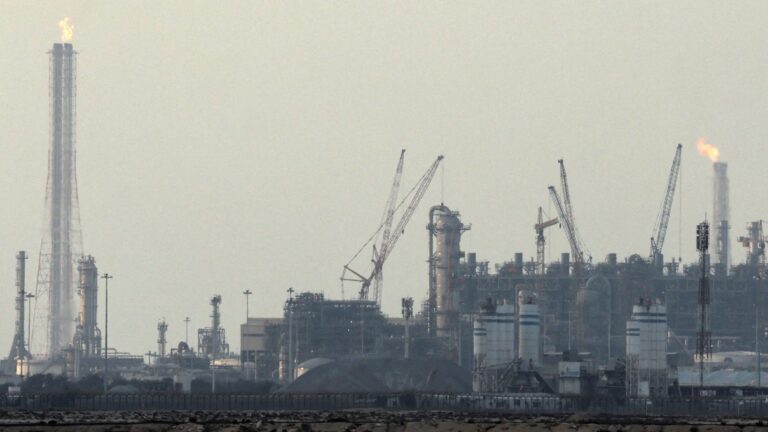
The energy sector remains the primary engine of any potential Venezuelan recovery. Despite possessing the world’s largest proven oil reserves, estimated at over 300 billion barrels, the state-owned oil giant PDVSA (Petróleos de Venezuela, S.A.) is a shadow of its former self. Production, which peaked at nearly 3.5 million barrels per day (bpd) in the late 1990s, plummeted to below 400,000 bpd during the height of the 2020 crisis. While output has recently stabilized and crawled back toward 800,000 to 900,000 bpd, the industry remains crippled by a lack of capital investment, a massive "brain drain" of technical expertise, and decaying infrastructure.
The role of the United States Treasury’s Office of Foreign Assets Control (OFAC) is central to this dynamic. The issuance and subsequent revocation of General License 44, which briefly allowed for the broader sale of Venezuelan crude, illustrated the "carrot and stick" approach of Washington’s foreign policy. Currently, the Venezuelan economy relies heavily on specific exemptions, such as General License 41, which permits Chevron to maintain limited operations and export crude to the U.S. market. However, these arrangements are precarious. If the U.S. government decides to tighten the screws in response to the perceived electoral fraud, the modest economic growth observed in 2023 and early 2024 could quickly evaporate, pushing the nation back into the depths of hyperinflation.
The internal economic reality for Venezuelans is characterized by a "dollarization lite" policy. While the bolívar remains the official currency, the U.S. dollar is the de facto medium of exchange for everything from groceries to real estate. This unofficial dollarization helped curb the hyperinflation that peaked at an astronomical 1.7 million percent in 2018, bringing annual inflation down to double digits for the first time in years. Yet, this stability is fragile. The Central Bank of Venezuela (BCV) has been burning through its limited foreign exchange reserves to prop up the exchange rate, a strategy that is unsustainable without a consistent influx of petrodollars or the lifting of financial sanctions.
Furthermore, the social cost of the ongoing crisis continues to reverberate across the Western Hemisphere. The United Nations estimates that more than 7.7 million Venezuelans have fled the country since 2014, seeking refuge in neighboring Colombia, Peru, Brazil, and eventually the United States and Spain. This exodus represents a massive loss of human capital, as a generation of doctors, engineers, and teachers has departed, leaving the domestic labor market hollowed out. From a regional economic perspective, the migration crisis has strained the social safety nets of host countries, while simultaneously creating a new economic pillar for Venezuela: remittances. These private transfers now account for a significant portion of household income for those who remained, providing a vital but insufficient buffer against poverty.
On the diplomatic front, the Maduro government has sought to pivot away from Western markets by strengthening ties with an alternative bloc of allies, including Russia, China, and Iran. China, in particular, has been a crucial lifeline, acting as a primary creditor and a major destination for "shadow" oil exports. However, Beijing has grown increasingly cautious, pivoting from large-scale sovereign lending to more targeted, project-based investments as it seeks to manage its own exposure to Venezuelan debt. The geopolitical alignment with Moscow and Tehran further complicates the prospect of a negotiated settlement with the West, as Venezuela becomes a pawn in a larger global struggle between democratic and autocratic spheres of influence.
The domestic opposition, led by María Corina Machado and the unified candidate Edmundo González, has presented a platform focused on institutional rebuilding and the restoration of property rights. Their economic proposal involves the privatization of key industries, the restructuring of the nation’s massive $60 billion sovereign debt, and a return to the International Monetary Fund (IMF) and the World Bank. For international bondholders, many of whom have seen their Venezuelan holdings trade at deep discounts for years, a transition of power represents the only realistic path toward a debt restructuring agreement. Currently, Venezuela is effectively barred from international capital markets, and the legal battle over Citgo—the U.S.-based refining arm of PDVSA—remains a looming threat to the country’s most valuable foreign asset.
The Citgo sale process, overseen by a U.S. court to satisfy creditors’ claims, serves as a microcosm of the broader Venezuelan tragedy. It pits the need for national asset preservation against the legal rights of companies and bondholders whose assets were expropriated or whose debts went unpaid by the Venezuelan state. The loss of Citgo would not only be a symbolic blow to national pride but would also strip the country of a critical mechanism for processing its heavy crude and generating foreign currency.
Looking ahead, three primary scenarios emerge for the Venezuelan state. The first is a "status quo" path of entrenched authoritarianism, where the Maduro administration maintains control through domestic repression and a reliance on the informal economy and allied support. This would likely lead to continued stagnation, further migration, and a permanent "gray market" status for the country’s oil. The second scenario involves a negotiated transition, perhaps brokered by regional powers like Brazil and Colombia, where some form of power-sharing or a roadmap to new elections is established in exchange for sanctions relief. This is the preferred outcome for the business community, as it offers a path toward legal certainty and large-scale reinvestment.
The third, and most volatile, scenario is one of increased internal instability. If the gap between the government’s claims and the public’s reality becomes unbridgeable, the resulting civil unrest could lead to a further breakdown of law and order, potentially triggering a more aggressive international intervention or a complete collapse of the remaining state institutions. Such an outcome would have catastrophic implications for regional security and energy markets already rattled by conflicts in Eastern Europe and the Middle East.
Ultimately, the resolution of the Venezuelan crisis requires more than just a change in leadership; it requires a wholesale reconstruction of the rule of law and the restoration of trust in public institutions. For the international community, the challenge lies in balancing the desire for democratic accountability with the pragmatic need for a stable energy supplier and a solution to the migration crisis. As the global economy navigates a period of profound transition, the fate of this oil-rich nation remains one of the most significant and unresolved variables in the modern geopolitical equation. The coming months will reveal whether Venezuela can finally break the cycle of decline or if it is destined to remain a cautionary tale of how institutional failure can dismantle a once-prosperous society.