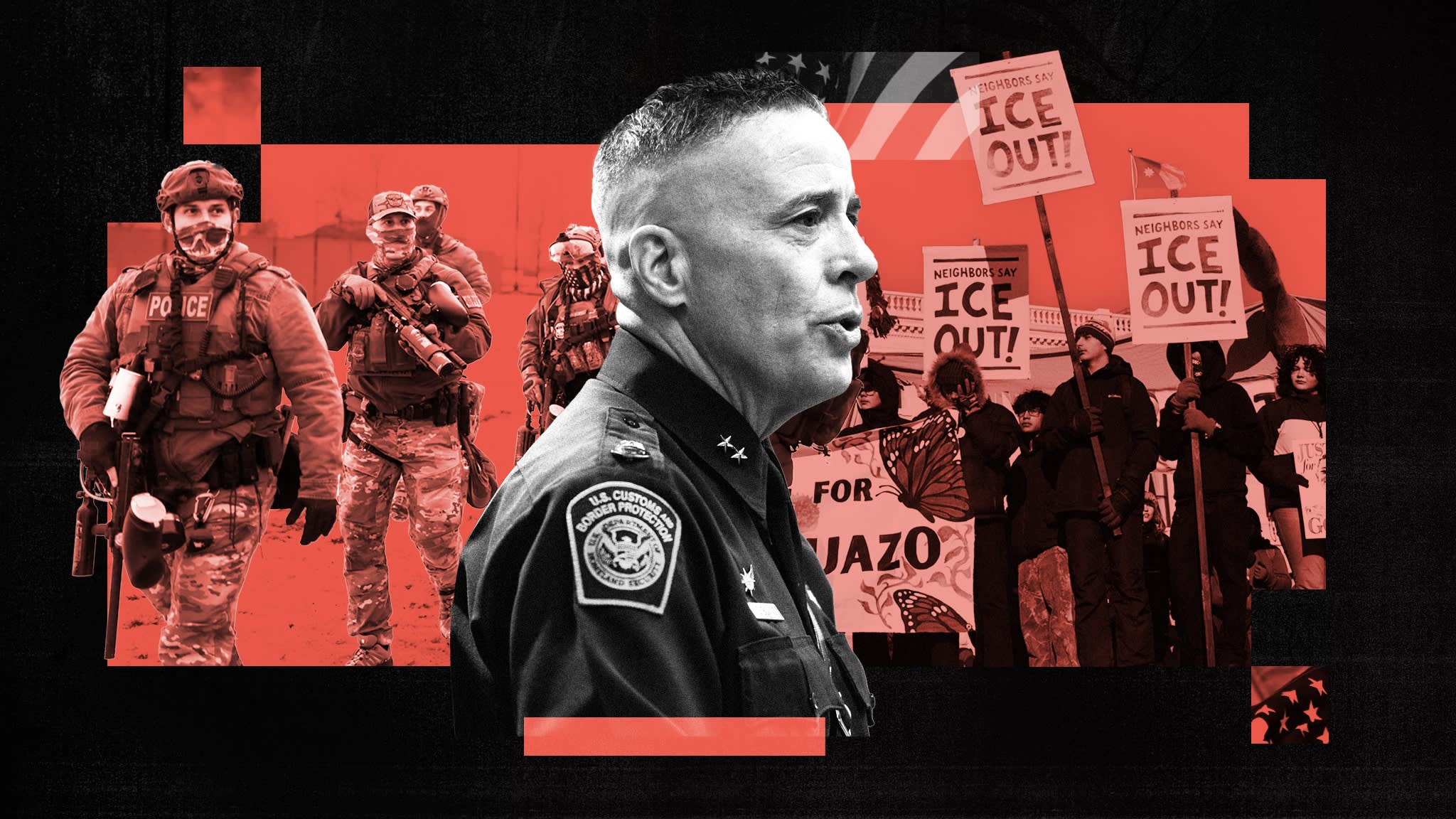
The skyline of Minneapolis, once a shimmering beacon of Midwestern corporate stability and progressive urban planning, currently casts a long shadow over a city grappling with a profound identity crisis. For decades, the "Twin Cities" model was envied by urban planners worldwide—a region that successfully balanced a high quality of life with a robust Fortune 500 presence. However, a recent wave of violent incidents has reignited a fierce debate over public safety, threatening to derail a fragile post-pandemic economic recovery and fundamentally altering the city’s trajectory. As another high-profile killing sends shockwaves through the community, the narrative of a city "under siege" is moving beyond local headlines and into the boardrooms of the multinational corporations that call Minneapolis home.
The intersection of public safety and economic vitality has rarely been as visible as it is in the current climate of the Upper Midwest. Minneapolis finds itself at a crossroads where the cost of crime is no longer measured solely in human tragedy, but in capital flight, declining commercial property values, and a tightening labor market. The city, which serves as the economic engine for the state of Minnesota, is witnessing a widening gap between its aspirations of being a diverse, global tech and retail hub and the gritty reality of a police force stretched thin and a citizenry increasingly wary of the downtown core.
Historically, the Minneapolis economy was anchored by the "Minneapolis Miracle"—a unique tax-sharing system and regional governance model that prevented the urban decay seen in other Rust Belt cities. This stability attracted giants such as Target, U.S. Bancorp, and Ameriprise Financial. Yet, the social fabric began to fray significantly following the 2020 civil unrest, and the subsequent years have been a volatile mix of reform efforts and rising crime rates. The latest incident of violence acts as a catalyst, forcing a re-evaluation of whether the city’s institutional frameworks are capable of maintaining the order necessary for a thriving business environment.
Data from the Minneapolis Downtown Council and various real estate analytics firms suggest that foot traffic in the central business district remains significantly below 2019 levels. While many metropolitan areas are struggling with the "work-from-home" transition, Minneapolis faces a dual challenge: the logistical shift of the modern workplace compounded by a perception of instability. When employees feel unsafe commuting via light rail or walking through the extensive Skyway system—the city’s signature 9.5-mile network of enclosed pedestrian footbridges—the incentive for companies to mandate office returns evaporates. This has led to a stagnation in the commercial real estate market, with office vacancy rates in the central business district hovering near record highs of 25% to 30% when including sublease space.
The economic impact of these safety concerns extends far beyond the immediate vicinity of the crime scenes. Economists point to the "multiplier effect" of urban insecurity. When a high-profile killing occurs, it doesn’t just affect the neighborhood; it dampens consumer confidence across the metro area. Retailers, already operating on thin margins due to e-commerce competition, face rising costs for private security and insurance premiums. For small business owners, particularly those in the revitalized Northside and Southside corridors, the burden is often unsustainable. The loss of a single anchor restaurant or boutique due to safety concerns can trigger a localized "doom loop," where reduced foot traffic leads to further closures, vacant storefronts, and eventually, a decline in property tax revenue that the city desperately needs to fund social services and law enforcement.
From a policy perspective, the city’s leadership is caught in a pincer movement. On one side is a vocal movement demanding systemic police reform and a shift toward social-service-led intervention. On the other is a business community and a significant portion of the electorate calling for a "broken windows" approach to restore visible order. The Minneapolis Police Department (MPD) continues to struggle with a severe staffing crisis, operating with hundreds of fewer officers than authorized levels. This shortage has led to increased response times and a reliance on overtime, which further strains the municipal budget. The federal oversight resulting from a Department of Justice investigation adds another layer of complexity, requiring the city to implement sweeping changes while simultaneously managing a spike in violent crime.
Global comparisons offer a sobering look at what is at stake. Cities like Portland, Oregon, and San Francisco, California, have faced similar narratives of decline driven by a perceived lack of public order. In those markets, the exodus of major retail brands and the relocation of corporate headquarters served as a lagging indicator of social instability. Minneapolis is fighting to avoid a similar fate. The city’s "flight to quality"—a real estate trend where tenants move to newer, more secure buildings—is evident, but it often results in older "Class B" and "Class C" buildings being left entirely vacant, creating pockets of blight that are difficult to remediate.
Expert insights suggest that the path to recovery must be holistic. Economic development agencies are increasingly focusing on "placemaking"—the idea that urban spaces must be vibrant, clean, and safe to attract human capital. However, placemaking is impossible if the fundamental promise of physical security is not met. For a city that prides itself on being a hub for medical technology and retail innovation, the current atmosphere of fear is a direct threat to its competitive advantage. The University of Minnesota and the Mayo Clinic’s satellite operations in the region depend on attracting international talent; that talent is mobile and highly sensitive to quality-of-life metrics.
Moreover, the fiscal implications for the state of Minnesota are significant. The Twin Cities metropolitan area accounts for a disproportionate share of the state’s GDP. If the core of Minneapolis continues to reel from violence, the resulting erosion of the tax base could lead to a shortfall in state funding for education, infrastructure, and healthcare. This creates a feedback loop where the state must choose between subsidizing a struggling urban center or allowing its primary economic engine to stall.
In response to the latest crisis, there have been renewed calls for public-private partnerships. Some corporations have taken matters into their own hands, funding extra patrols and investing in neighborhood beautification projects. While these initiatives provide temporary relief, they also raise questions about the privatization of public safety and the equity of protection across different socio-economic neighborhoods. A city where safety is a luxury available only to the highest bidders is not the inclusive metropolis Minneapolis aims to be.
The psychological toll on the residents of Minneapolis cannot be ignored in an economic analysis. Consumer behavior is driven by sentiment. When a city is characterized by headlines of "siege" and "reeling," the collective psyche shifts toward a defensive posture. Spending at theaters, stadiums, and high-end restaurants—the discretionary sectors that define a "world-class city"—suffers most. The hospitality industry, still recovering from the dual blows of the pandemic and the 2020 riots, finds itself once again on the front lines of an urban crisis.
As the city mourns another loss of life, the window for a decisive turnaround is narrowing. The "Minneapolis Miracle" was built on a foundation of social trust and civic cooperation. Restoring that trust requires more than just political rhetoric; it requires a demonstrable improvement in safety statistics and a clear, long-term strategy for urban renewal. Investors are watching closely. The coming months will determine if Minneapolis can leverage its inherent strengths—its highly educated workforce, its diverse economy, and its storied history of innovation—to overcome its current tribulations.
Ultimately, the crisis in Minneapolis serves as a cautionary tale for metropolitan areas across the globe. It highlights the reality that economic prosperity is not a permanent state but a fragile equilibrium that must be actively maintained through effective governance and social cohesion. For Minneapolis to move from a state of "siege" to a state of growth, it must address the root causes of violence while simultaneously fostering an environment where businesses feel confident enough to invest for the next fifty years. The stakes are nothing less than the future of the American heartland’s most vital urban experiment.