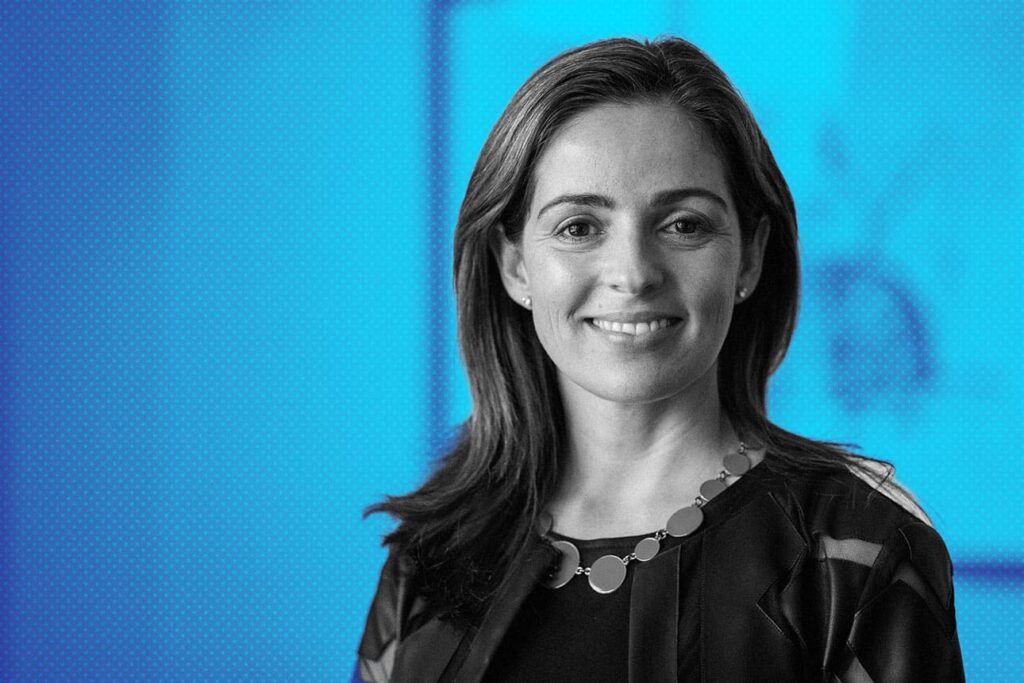


The corridors of power in Washington and the trading floors of Wall Street are currently transfixed by a high-stakes succession drama that will define the American economic landscape for the next four years. As the term of the current Federal Reserve leadership nears its conclusion, President Donald Trump has accelerated his search for the next Chair of the world’s most influential central bank. At the heart of this selection process is Federal Reserve Governor Christopher Waller, who recently concluded what senior administration officials described as a "strong interview" with the President. This meeting, held at the President’s private residence, signals a critical juncture in the administration’s efforts to reshape monetary policy to align with its broader "America First" economic agenda, particularly regarding the cooling labor market and the desire for significantly lower borrowing costs.
The interview was not merely a formality but a deep dive into the mechanics of the U.S. economy, attended by a powerful cohort of the President’s inner circle, including Treasury Secretary Scott Bessent, Chief of Staff Susie Wiles, and Deputy Chief of Staff Dan Scavino. The presence of Bessent, a seasoned macro investor, underscores the administration’s focus on how the Fed’s decisions ripple through global bond markets and capital flows. While much of the public discourse surrounding the Federal Reserve has focused on the battle against inflation, this specific dialogue reportedly centered on the labor market. Senior officials indicated that the President is increasingly focused on jump-starting job creation as recent data points to a subtle but concerning softening in employment trends.
For Waller, the interview represents a potential promotion from within the institution he has served since being nominated by Trump for a governorship in 2019. His candidacy is bolstered by a reputation for intellectual rigor and a recent track record of prescient policy shifts. In July 2024, Waller was a notable voice of caution, suggesting that the Fed should consider easing its restrictive stance earlier than many of his colleagues anticipated. This perspective proved accurate as the labor market began to show cracks, leading the Federal Open Market Committee (FOMC) to initiate a series of rate cuts starting in September. By positioning himself as a policymaker who is sensitive to the "employment" side of the Fed’s dual mandate—price stability and maximum employment—Waller has found common ground with a President who views low interest rates as the primary engine for industrial revival and middle-class prosperity.
The economic backdrop for these interviews is one of transition. The November jobs report revealed an unemployment rate that had ticked up to 4.6%, a rise from 4.4% in September, while payroll growth has slowed to a crawl. This cooling comes at a time when the administration is simultaneously pursuing aggressive fiscal contraction within the public sector. Since the start of the year, the administration’s sweeping job cuts have resulted in the loss of 188,000 government positions. While the private sector has compensated by adding roughly 687,000 jobs, the net effect on the labor market remains a point of contention and concern. Trump’s rhetoric suggests he views the Federal Reserve as the primary tool to offset any fiscal drag, publicly stating his desire for a Chair who "believes in lower interest rates by a lot" to bring down mortgage payments and stimulate consumer spending.
However, the search for a Fed Chair is occurring against a backdrop of renewed debate over the independence of the central bank. Historically, the Fed has operated as an autonomous body, shielded from political pressure to ensure that monetary decisions are based on long-term economic stability rather than short-term political cycles. President Trump has challenged this orthodoxy, recently suggesting that the Fed Chair should consult with him on interest rate decisions. While he clarified that he does not expect the Chair to do "exactly" what the executive branch dictates, he asserted that he is a "smart voice" that deserves to be heard. This tension between executive influence and institutional independence is the primary lens through which global markets are viewing the candidates.
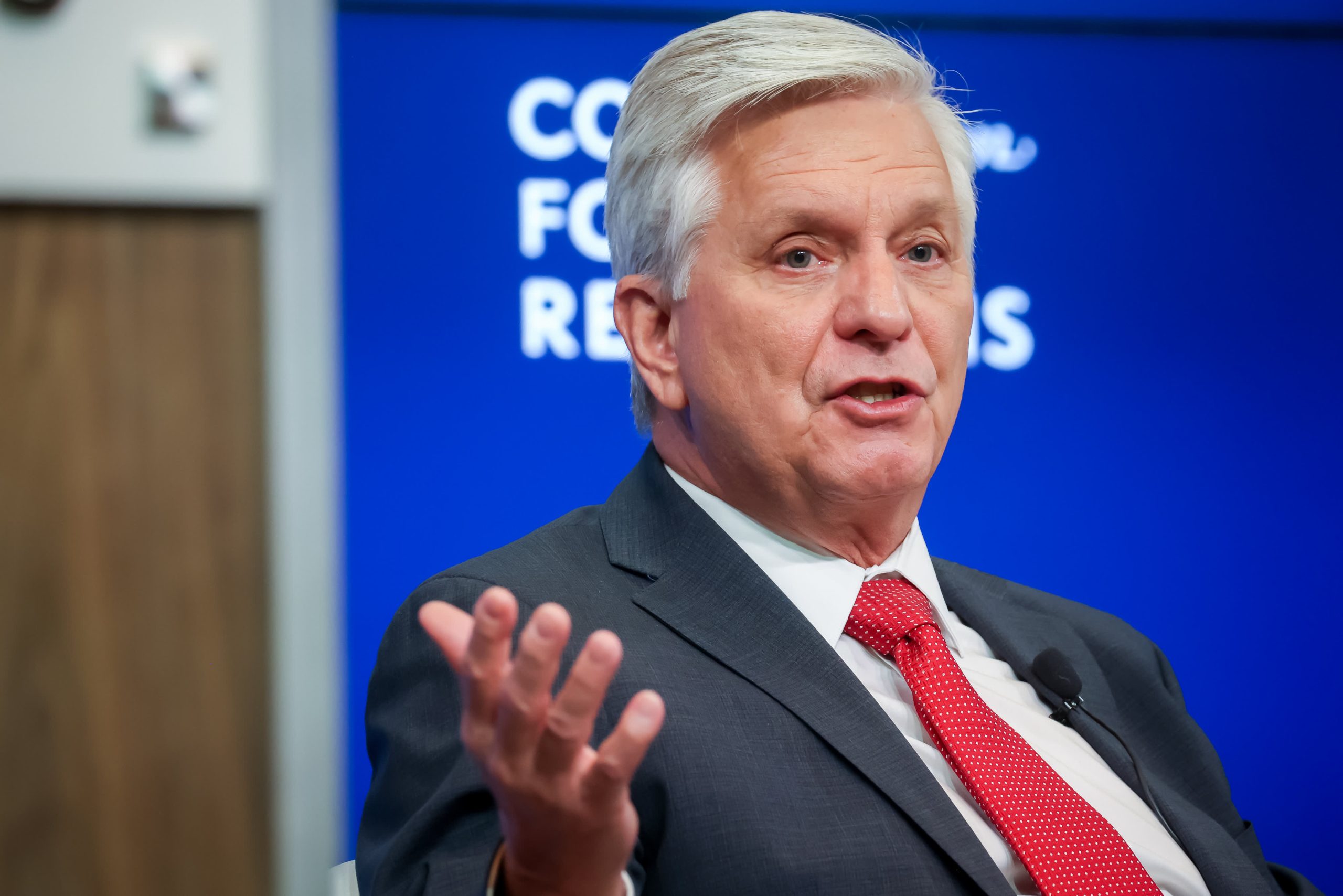
Waller has navigated this minefield with diplomatic precision. Speaking at the Yale CEO Summit in New York shortly before his meeting with the President, Waller emphasized his commitment to the Fed’s independence while simultaneously signaling a dovish outlook. He suggested that interest rates could decline by an additional 50 to 100 basis points, citing expectations for falling inflation and his own concerns regarding the labor market. By framing his preference for lower rates within the context of data-driven policy, Waller manages to appeal to the President’s desire for "cheap money" without explicitly abandoning the principles of central bank autonomy.
The field of candidates remains competitive and diverse, reflecting different schools of economic thought. Kevin Hassett, the Director of the National Economic Council and a longtime Trump loyalist, has long been considered a favorite in prediction markets due to his deep alignment with the President’s "MAGAnomics" philosophy. Kevin Warsh, a former Fed Governor with deep ties to the financial establishment, also remains in the mix, representing a choice that would likely soothe institutional investors and international partners. Meanwhile, the search is expanding to include market practitioners; Rick Rieder, BlackRock’s influential Chief Investment Officer of Global Fixed Income, is scheduled for an interview at Mar-a-Lago in the final week of the year. Rieder would bring a "real-world" market perspective to the role, a quality the President is known to value. Notably, Fed Governor Michelle Bowman is reportedly no longer under consideration, suggesting the administration may be moving away from candidates perceived as too hawkish or traditionally rigid.
Beyond policy and economics, the President’s selection process often involves a search for personal "strength" and a certain "central casting" quality. In a lighter moment that nonetheless carries weight in the President’s evaluation, Trump was reportedly "seriously impressed" by Waller’s physical fitness, specifically his ability to deadlift 350 pounds. In the idiosyncratic world of the current administration, such displays of personal discipline and vigor are often viewed as proxies for the "toughness" required to lead a major global institution.
The implications of this appointment extend far beyond the borders of the United States. The U.S. dollar serves as the world’s primary reserve currency, and the Fed’s interest rate trajectory dictates the cost of capital globally. If the next Fed Chair is perceived as being overly beholden to the White House, it could trigger volatility in the Treasury market and lead to a "risk premium" being attached to American assets. Conversely, if the new Chair can successfully balance the President’s growth agenda with a credible commitment to the 2% inflation target, it could usher in a period of sustained domestic expansion.
As the administration follows what officials call a "highly organized process," the global financial community waits with bated breath. The next Chair will inherit an economy at a crossroads: inflation is retreating, but the tailwinds of the post-pandemic boom are fading. The task of engineering a "soft landing" while navigating the pressures of a transformative executive branch will require more than just academic expertise; it will require the political acumen to maintain the Fed’s credibility while responding to a populist mandate for growth. Whether Christopher Waller, Kevin Warsh, or a dark horse like Rick Rieder ultimately receives the nod, the decision will signal the administration’s definitive stance on the future of American capitalism and the role of the state in managing the nation’s money. For now, Waller’s "strong interview" puts him in a powerful position, but in a process defined by the President’s penchant for theatrical timing and personal chemistry, the final result remains an open question until the official announcement is made.