


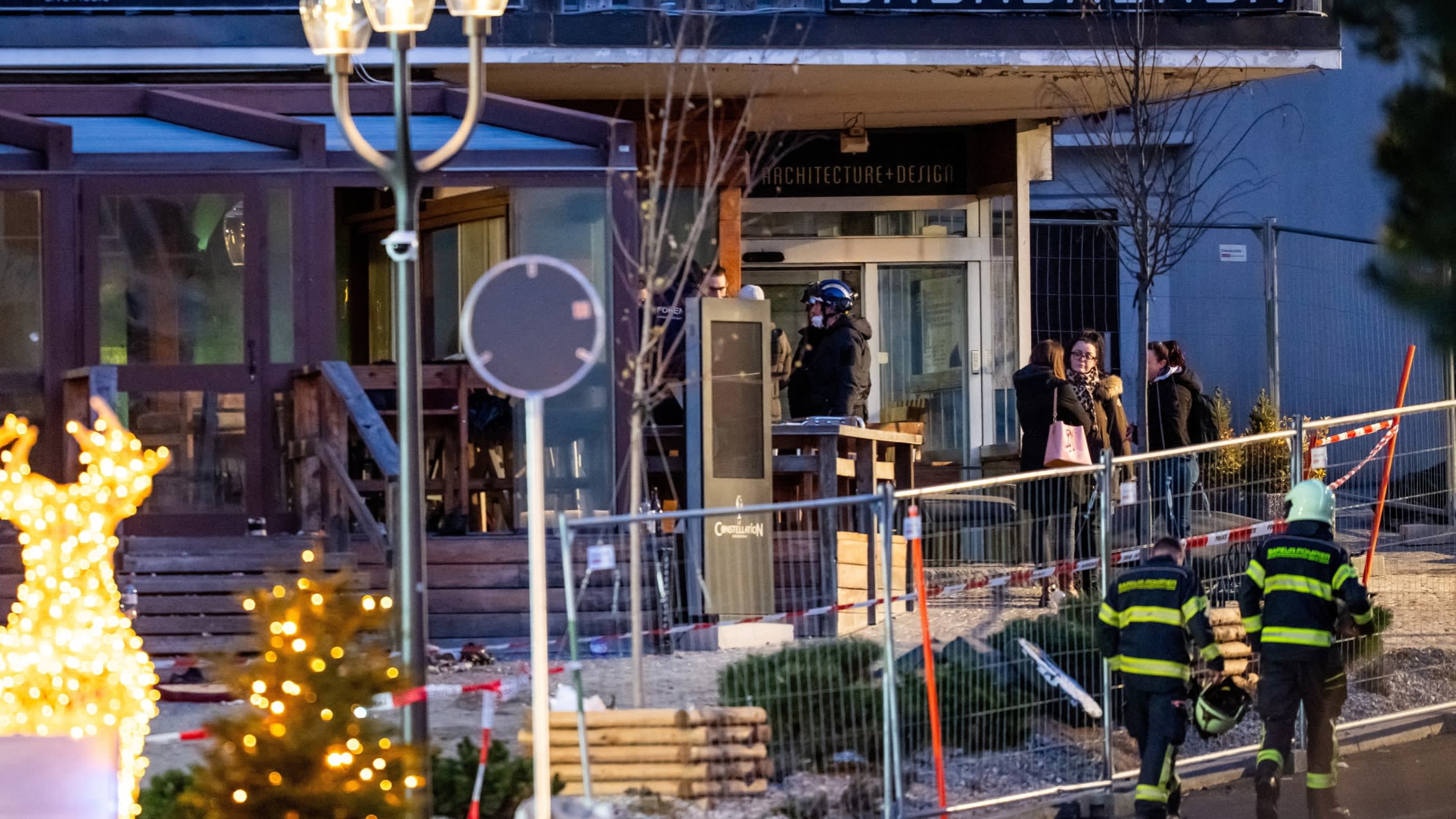
The pristine image of Switzerland’s high-altitude hospitality sector has been shattered following a catastrophic structural fire at a prominent ski resort, an event that has claimed the lives of several dozen people and sent shockwaves through the global travel and insurance markets. The blaze, which erupted in the early hours of the morning when most guests were asleep, represents one of the deadliest alpine disasters in the country’s modern history. While local authorities and emergency services have yet to finalize the death toll, the scale of the tragedy is already being compared to the Kaprun funicular disaster of 2000, prompting an immediate and somber re-evaluation of safety protocols within the multi-billion-dollar European winter sports industry.
The incident occurred in a region renowned for its exclusive chalets and high-end hotels, catering to an international elite that views the Swiss Alps as a bastion of safety, discretion, and luxury. Initial reports suggest that the fire spread with terrifying speed through a complex that featured traditional timber-clad architecture—a hallmark of alpine aesthetics that, despite modern fire-retardant treatments, remains vulnerable to rapid thermal combustion under certain conditions. The difficulty of the rescue operation was compounded by the resort’s geographical isolation and the thin oxygen levels at high altitude, which can affect both the behavior of fire and the physical endurance of first responders.
For the Swiss economy, the implications of this disaster are profound. Tourism is a cornerstone of the national treasury, contributing approximately 3 percent to the gross domestic product (GDP) and supporting over 170,000 full-time equivalent jobs. In mountain cantons like Valais and Graubünden, the dependency on "white gold"—the revenue generated by winter sports—is significantly higher, often accounting for more than 20 percent of local economic activity. This tragedy strikes at the heart of the "Swiss Made" brand, a label synonymous with precision, reliability, and world-class safety standards. Market analysts suggest that the reputational damage could lead to a short-term dip in bookings among ultra-high-net-worth individuals, a demographic that demands absolute security alongside their leisure.
The financial fallout is expected to be extensive, particularly within the reinsurance and commercial property insurance sectors. Swiss Re and Zurich Insurance Group, along with international players like Lloyd’s of London, are likely to face significant claims arising from life insurance payouts, property damage, and business interruption. The complexity of such claims in the alpine context—where reconstruction costs are inflated by the difficulty of transporting materials to remote peaks and the short seasonal windows for building—will likely lead to a tightening of underwriting standards for high-altitude properties across the European Union and the EFTA zone.
From a regulatory perspective, the disaster is expected to trigger a federal inquiry into Swiss building codes (VKF/AEAI standards). While Switzerland maintains some of the most stringent fire safety regulations in the world, the evolution of resort architecture—which often blends historic wooden structures with modern luxury amenities—presents unique challenges. Experts point to the "chimney effect" in multi-story chalets and the potential failure of pressurized fire suppression systems in sub-zero temperatures as areas requiring urgent investigation. There is also the matter of emergency access; many of Switzerland’s most desirable resorts are "car-free" or accessible only by narrow, winding roads, which can delay the arrival of heavy firefighting equipment during a crisis.
Global comparisons illustrate the rarity and the severity of this event. Historically, alpine safety concerns have focused on avalanche prevention and cable car mechanics. The 1999 Mont Blanc tunnel fire and the aforementioned Kaprun disaster led to a massive overhaul of European transport safety, but hotel and resort fires of this magnitude have been relatively rare in the 21st century. This event may do for the hospitality sector what previous tragedies did for mountain infrastructure: ushering in a new era of mandatory automated thermal imaging, enhanced smoke extraction requirements, and perhaps even a move away from the traditional timber-heavy designs that define the "alpine look."
The human cost, however, remains the most pressing concern. The victims are reported to include international tourists from several continents, highlighting the global reach of the Swiss ski industry. Consular offices in Bern are working closely with Swiss federal police to identify the deceased, a process made difficult by the intensity of the fire. The psychological impact on the local community, which relies on these visitors not just for income but for its cultural identity, cannot be overstated. In many Swiss mountain villages, the local population and the seasonal tourist population are deeply intertwined; a disaster of this scale affects every shopkeeper, ski instructor, and restaurateur in the valley.
In the broader economic context, the disaster comes at a time when the Swiss tourism sector was finally finding its footing after the volatility of the post-pandemic era and the challenges posed by a perennially strong Swiss Franc. The "safe haven" status of Switzerland usually extends to its tourism, but this incident introduces a variable of physical risk that is difficult to hedge against. Economic historians note that while the Swiss tourism brand is exceptionally resilient, its recovery depends on the transparency and efficiency of the subsequent investigation. The speed with which the Swiss government and the hospitality industry address the underlying causes of the fire will determine how quickly investor and consumer confidence returns.
Furthermore, the tragedy may accelerate a shift in the luxury real estate market. There has been a growing trend toward "smart" chalets equipped with advanced integrated safety systems, including AI-driven fire detection and independent power grids. In the wake of this fire, property values for older, unrenovated structures may see a sharp decline, while premium prices will be commanded by new-builds that can guarantee state-of-the-art life safety systems. This could lead to a wave of "safety-driven" renovations across the Alps, providing a niche stimulus for the specialized construction and fire-safety engineering sectors.
Expert insights from the Council of European Fire Officers suggest that high-altitude firefighting is one of the most technical disciplines in emergency services. "You are fighting the elements as much as the fire," noted one veteran commander. "Water freezes in the hoses, engines struggle in the thin air, and the wind patterns in the mountains can turn a small room fire into a vertical inferno in minutes." The investigation will likely look at whether the resort’s private fire brigades and the municipal volunteer forces were adequately equipped to handle a conflagration of this specific profile.
As the smoke clears over the peaks, the focus remains on the families of the victims and the arduous task of forensic recovery. However, the secondary effects—the policy debates in Bern, the meetings in the boardrooms of Zurich’s insurers, and the reassessment of risk by travel agencies in London, New York, and Dubai—are only just beginning. Switzerland has long prided itself on being the world’s playground for the wealthy and the adventurous, a place where the majesty of nature is tamed by the perfection of engineering. This tragedy serves as a grim reminder that even in the most controlled and luxurious environments, the margin between a dream vacation and a national catastrophe remains dangerously thin.
The coming months will see a rigorous scrutiny of the resort’s management and the local government’s oversight. If negligence is found, the legal ramifications could be historic, potentially leading to a landmark class-action lawsuit that would test the limits of Swiss liability law. For now, the flags in the village square fly at half-mast, and the ski lifts have been silenced, marking a dark chapter in the history of a nation that usually defines itself by the quiet, efficient, and safe enjoyment of its natural wonders. The economic recovery will eventually follow, but the memory of this night will likely change the landscape of alpine tourism for a generation.