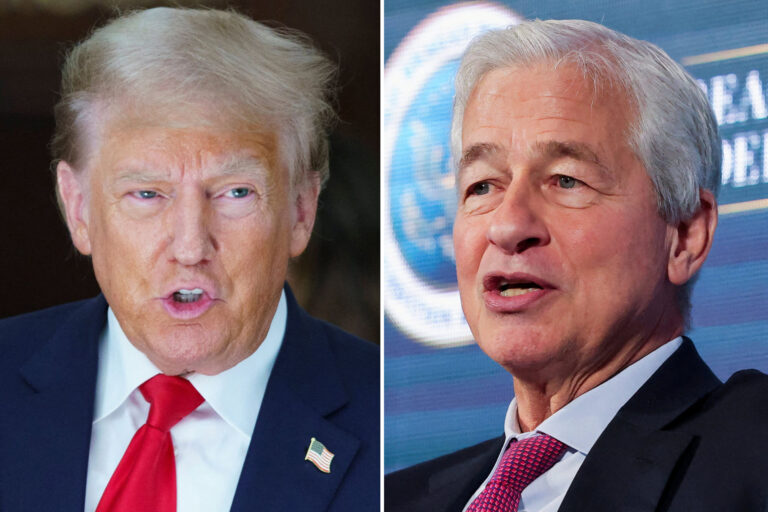

The American dream of homeownership, long considered the cornerstone of middle-class wealth accumulation, is facing a transformative challenge that has shifted from local real estate offices to the highest levels of federal policy. President Donald Trump has recently intensified his focus on housing affordability, identifying a specific catalyst for the skyrocketing costs: the rise of institutional investors in the single-family residential market. By signaling an intent to implement a ban on large-scale corporate acquisitions of single-family homes, the administration is targeting a business model that has fundamentally altered the landscape of the American Sun Belt.
This policy shift comes at a time when the "starter home" has become an endangered species in many metropolitan areas. In cities like Atlanta, Jacksonville, and Charlotte, the traditional competition between two families for a suburban three-bedroom house has been replaced by a lopsided contest between individual buyers and multi-billion-dollar private equity firms. These institutional players, armed with sophisticated algorithms and vast pools of capital, are often able to make all-cash offers with waived contingencies, effectively pricing out the average American family.
While the national footprint of institutional investors remains relatively small—controlling roughly 2% of the total single-family rental stock—the data reveals a much more concentrated and impactful presence in specific high-growth corridors. According to the U.S. Government Accountability Office (GAO), the concentration of corporate ownership is disproportionately high in the Southeast. In the Atlanta-Sandy Springs-Roswell metropolitan area, institutional investors are estimated to control nearly 25% of the single-family rental market. Similar patterns emerge in Jacksonville, where corporate entities own more than a fifth of the rental inventory, and in Florida’s Tampa Bay region.
The genesis of this institutional dominance can be traced back to the wreckage of the 2008 financial crisis. Following the collapse of the housing bubble, millions of homes fell into foreclosure, causing prices to crater. Seeing an opportunity in the distressed assets, large investment firms like Blackstone and Starwood Capital moved aggressively to purchase thousands of properties at deep discounts. At the time, economists and market analysts, including those at Wolfe Research, noted that these bulk purchases helped provide a floor for the market, stabilizing home values in regions that were experiencing a freefall.
However, what began as a market-stabilization effort has evolved into a permanent and expanding asset class known as Single-Family Rental (SFR). In the decade following the Great Recession, these firms transitioned from opportunistic buyers to sophisticated operators, utilizing centralized management platforms to oversee tens of thousands of homes across multiple states. For investors, the appeal is clear: single-family homes offer a hedge against inflation and a steady stream of rental income in an era where housing demand consistently outstrips supply.
The economic friction arises when this investment strategy intersects with the aspirations of first-time homebuyers. Critics argue that by converting owner-occupied housing into permanent rentals, institutional investors are shrinking the available inventory for purchase, thereby driving up prices through artificial scarcity. This "crowding out" effect is particularly acute in the Sun Belt, where population growth is highest and the supply of new construction has struggled to keep pace with migration patterns.
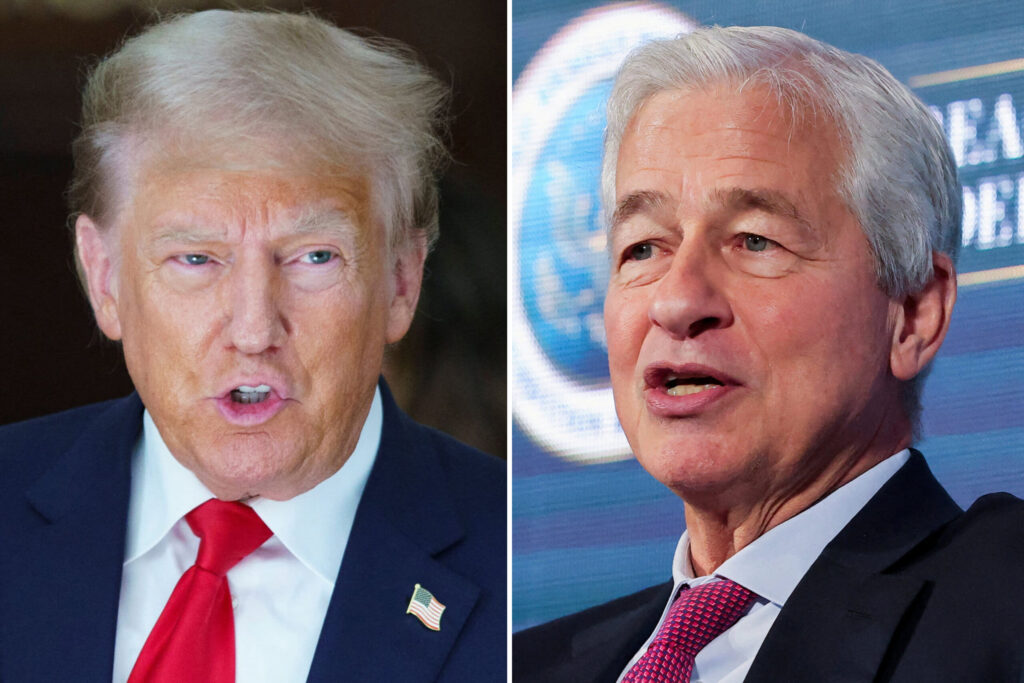
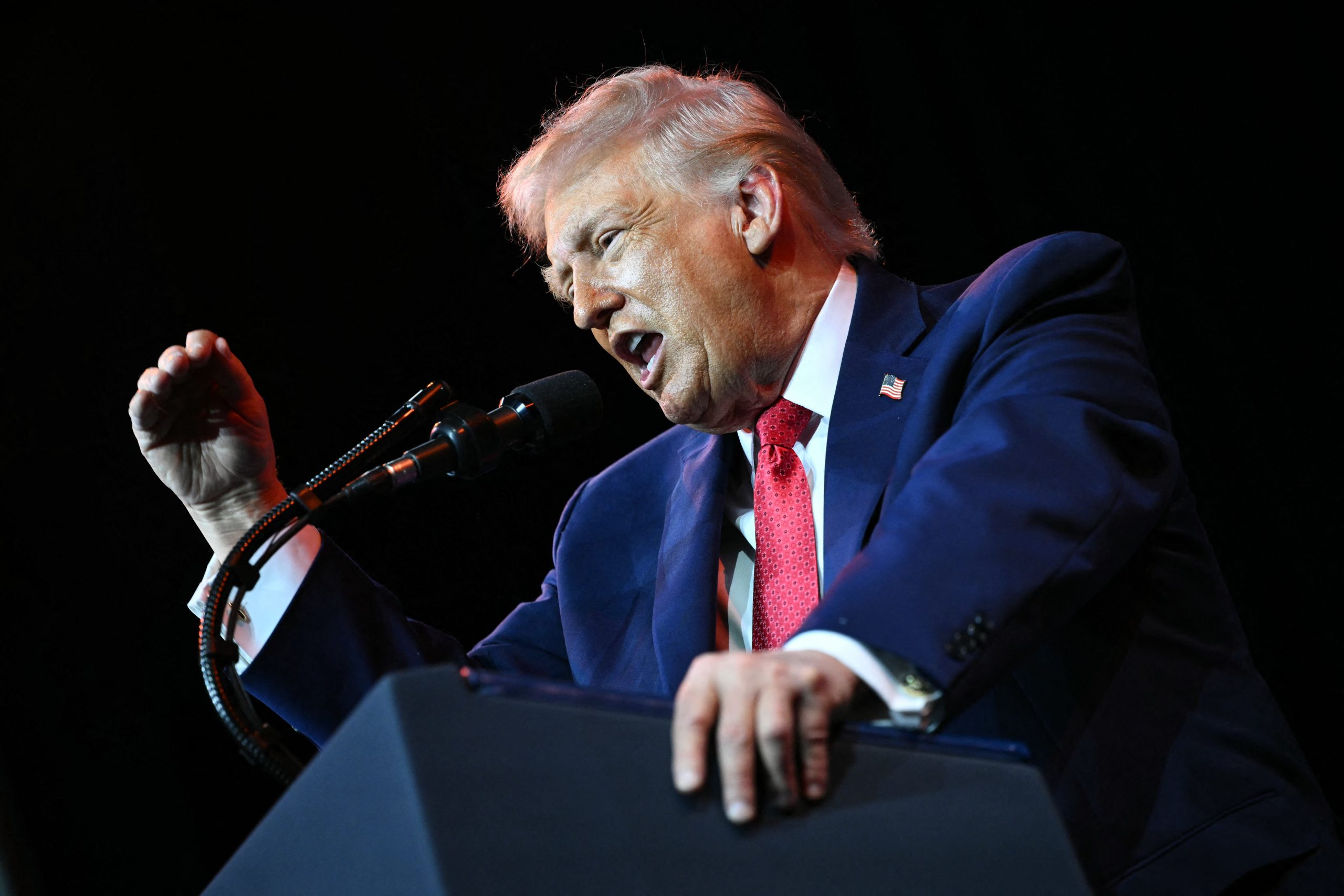
President Trump’s proposed intervention represents a significant escalation in the regulatory discourse surrounding the housing market. In a social media announcement that reverberated through the real estate and financial sectors, the President suggested that corporate ownership has rendered the American dream unattainable for many. By proposing a ban on further acquisitions by large institutional entities, the administration is attempting to tilt the scales back in favor of individual consumers.
The feasibility of such a ban, however, remains a subject of intense debate among legal scholars and economic analysts. Historically, efforts to curb institutional homeownership have faced significant bureaucratic and legislative hurdles. Analysts at BTIG have pointed out that while various versions of such restrictions have been introduced in Congress in recent years—ranging from the "End Hedge Fund Control of American Homes Act" to proposals for tax penalties on large-scale landlords—most have stalled in the early stages of the legislative process.
Implementing a federal ban would likely face immediate legal challenges, potentially centered on the "Takings Clause" of the Fifth Amendment or arguments regarding federal overreach into property rights, which are traditionally governed at the state and local levels. Furthermore, the definition of an "institutional investor" remains a moving target; policy must distinguish between a local real estate developer with ten properties and a global private equity fund with 50,000.
Beyond the legalities, economists are divided on whether targeting Wall Street will actually solve the affordability crisis. Many housing experts argue that the primary driver of rising costs is not corporate ownership, but a chronic, decades-long underproduction of housing. The United States currently faces a housing deficit estimated to be between 4 million and 7 million units. From this perspective, institutional investors are a symptom of a broken market rather than the cause. Proponents of this view suggest that if the supply of housing were sufficient to meet demand, the high returns that attract institutional capital would naturally diminish.
International comparisons provide a broader context for this American dilemma. In Canada, the government recently extended a ban on foreign buyers of residential property in an effort to cool overheated markets in Vancouver and Toronto. In Germany, particularly in Berlin, voters have gone as far as supporting referendums to expropriate large housing holdings from corporate landlords. These global trends suggest a growing international consensus that housing is increasingly being treated as a financial instrument rather than a social necessity, leading to political blowback across various ideologies.
The financial markets have reacted with caution to the prospect of new federal restrictions. Shares of major publicly traded REITs (Real Estate Investment Trusts) specializing in single-family rentals, such as Invitation Homes and AMH (formerly American Homes 4 Rent), are closely watched by analysts for signs of regulatory impact. These companies argue that they provide a necessary service by offering high-quality, professionally managed rental options for families who either cannot afford a down payment or prefer the flexibility of renting.
As the administration prepares to provide more details on these housing proposals, the eyes of the global economic community are turning toward the upcoming World Economic Forum in Davos. President Trump has indicated that he will use this international stage to outline a broader strategy for housing and economic affordability. The choice of venue is noteworthy; addressing a room of global financial elites about a plan to restrict their ability to buy American real estate highlights the populist undercurrents of the current economic agenda.
The potential ripple effects of a ban on institutional buying are complex. On one hand, a sudden exit of corporate buyers could lead to a temporary cooling of prices in markets like Atlanta and Jacksonville, providing a window of opportunity for retail buyers. On the other hand, a forced or incentivized liquidation of these portfolios could lead to market volatility and a reduction in the available rental stock for those who are not yet ready to buy.
Furthermore, there is the question of "build-to-rent" communities—developments specifically designed to be owned and operated by institutions. These projects add to the total housing supply, unlike the acquisition of existing homes. A broad, poorly defined ban could inadvertently stifle this new construction, further exacerbating the supply shortage.
Ultimately, the battle over institutional homeownership is a proxy for a larger debate about the future of the American economy. It pits the principles of free-market capitalism and property rights against the social imperative of affordable shelter and wealth equity. As the administration moves forward with its agenda, the outcome will likely hinge on whether the government can successfully balance the need for market liquidity with the necessity of ensuring that the next generation of Americans is not permanently relegated to a "rentership" class.
The forthcoming details from the Davos summit will be critical in determining whether this proposal is a populist rhetorical tool or a substantive policy shift that will redefine the American real estate market for decades to come. For the residents of the Sun Belt, where the shadow of the corporate landlord looms largest, the stakes could not be higher. Whether through supply-side incentives or demand-side restrictions, the quest for housing affordability remains the defining economic challenge of the current era.