

A compelling cultural phenomenon is sweeping across the digital landscape, as Generation Z, often perceived as solely focused on hyper-modern, algorithmically-driven content, is increasingly engaging with the rich archives of classic Bollywood cinema. This unexpected rediscovery, fueled by the ubiquitous presence of streaming services and the pervasive influence of social media, is not merely a nostalgic echo but a significant shift in viewing habits, creating new economic opportunities and cultural dialogues within the global entertainment industry. Films from the 1970s, 80s, and 90s, alongside select masterpieces from even earlier decades, are experiencing an unprecedented "cultural afterlife," transcending their original audiences and finding resonance with a demographic that wasn’t even born when these cinematic narratives first captivated audiences.
The digital transformation of media consumption has played a pivotal role in this renaissance. Platforms like Netflix, Amazon Prime Video, Disney+ Hotstar, and regional players such as Ultra Play and ShemarooMe have become vast digital libraries, making previously obscure or inaccessible films readily available at the click of a button. Crucially, these services have invested heavily in the restoration and digitization of older titles, upgrading visual and audio quality to meet modern viewing standards. A recent "Global Streaming Content Trends 2025" report by MediaAnalytics Inc. indicated a 35% year-over-year increase in viewership for content categorized as "classic cinema" among users aged 18-25, with India leading this trend globally. This enhanced accessibility, combined with improved fidelity, removes significant barriers that might have deterred younger audiences from engaging with older media.
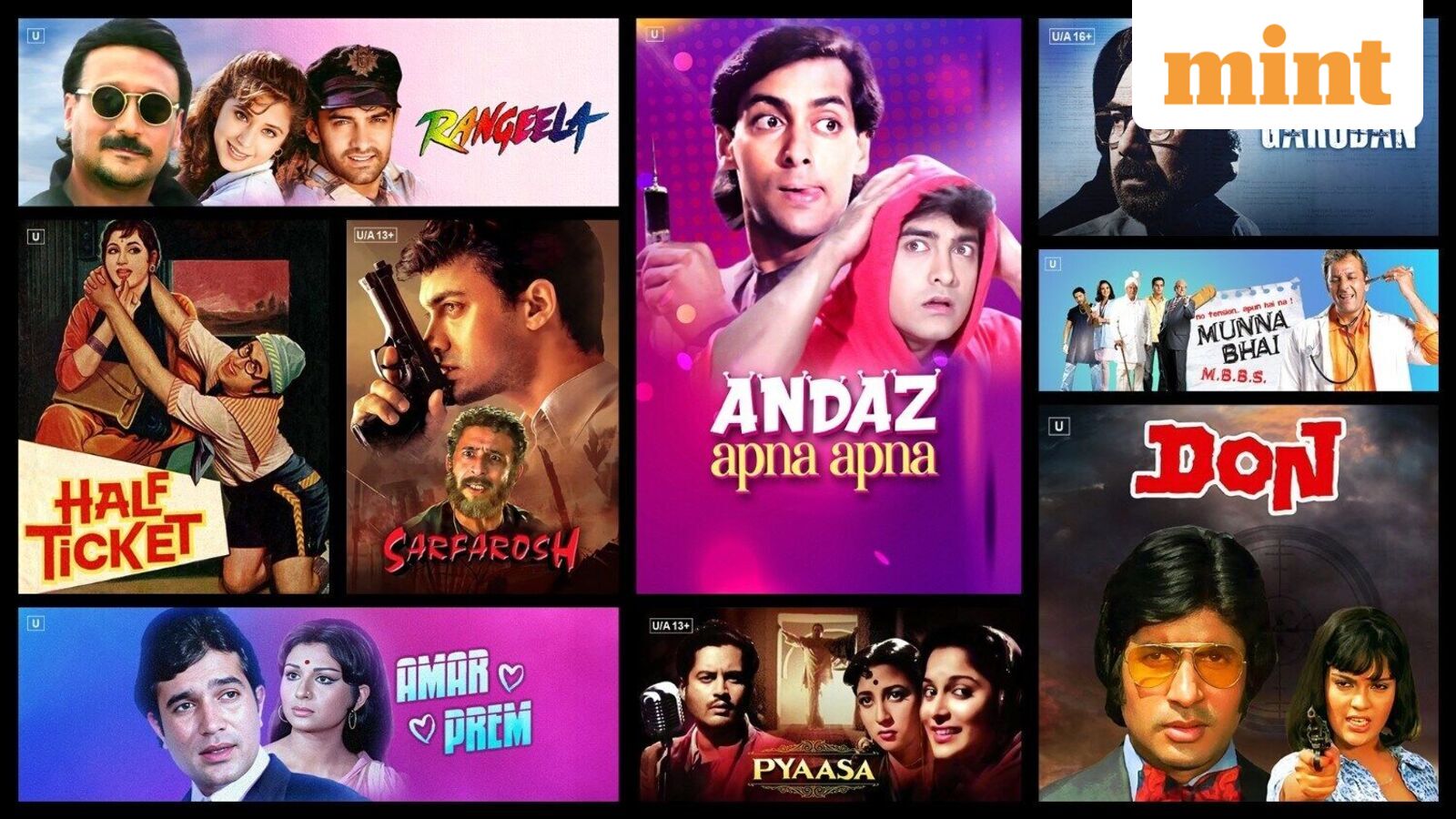
This renewed interest, however, extends beyond mere convenience. Experts suggest that Gen Z’s attraction to these films is rooted in a complex interplay of factors, differentiating their engagement from the traditional nostalgia experienced by older generations. Rajat Agrawal, Chief Operating Officer at Ultra Media & Entertainment Group, notes that "Zillennials are drawn to the simplicity and timeless music of older films, which offer a refreshing change from the overstimulated content landscape of today." In an era characterized by fragmented attention spans and constant digital noise, the straightforward storytelling, clear moral arcs, and melodious soundtracks of classic Bollywood offer a compelling sense of calm and coherence. Universal themes of love, family dynamics, social justice, and personal ambition, often explored with a certain earnestness, resonate deeply, proving their enduring relevance across generations. Iconic romantic dramas like Dilwale Dulhania Le Jayenge (1995) and Hum Aapke Hain Koun (1994) continue to charm, while satirical comedies such as Andaz Apna Apna (1994) and Chachi 420 (1997) find new comedic appreciation. Films tackling profound social issues, like Mother India (1957) or Lagaan (2001), offer historical context and perspective on contemporary challenges.

Social media platforms act as the primary discovery engine for this new wave of cinephiles. Instagram Reels, TikTok, YouTube Shorts, and various fan communities are replete with viral clips, aesthetic edits, remixed soundtracks, and meme-worthy dialogues from old films. Saurabh Srivastava, Chief Operating Officer for digital business at Shemaroo Entertainment Ltd, highlights that "much of what Gen Z is discovering today comes through indirect familiarity." These fragmented encounters – a specific outfit, a dramatic scene, a catchy song – pique curiosity, leading viewers to seek out the complete film on streaming platforms. This indirect discovery mechanism fosters a sense of personal exploration rather than inherited cultural obligation. Unlike the linear, often binge-driven consumption of new web series, older content is approached more leisurely, serving as background ambience during study or work, or as a communal viewing experience in multi-generational households. "New content satisfies novelty and immediacy, while nostalgic content quietly builds connections across generations and extends the overall time spent on the platform in a more relaxed way," Srivastava observes.
This engagement pattern is less about remembering a lived past and more about "curated time travel," as described by cultural analysts. Devarshi Shah, Chief Growth Officer at media and entertainment company OML (Only Much Louder), points out that "they may not have been there, but they know the vibe." For Gen Z, older content offers an escape to a perceived simpler, pre-social media era – a time that feels less performative and more authentic. This attraction to the "offline" aesthetics of the 90s and early 2000s, often filtered through a modern lens, has given rise to "newstalgia," where the past is constantly reshaped and reinterpreted to feel fresh and relevant today. This translates into a viewing behavior that is inherently non-linear and fragmented. They might not watch a film from start to finish, but rather immerse themselves in specific scenes, musical numbers, or fashion moments that resonate with their contemporary sensibilities.
Rajnish Rawat, co-founder and CEO at digital marketing agency Social Pill, emphasizes this distinct viewing methodology: "For Gen Z, these movies are more about discovery than actual memory. Older people watch such films to remember their own lives, but for younger viewers, it is about finding a vibe or an aesthetic that feels fresh to them." While new web series are consumed to stay current in cultural conversations and avoid spoilers, older films often loop in the background, providing a comforting presence. Furthermore, Gen Z exhibits a unique patience with classic cinema. "If a new show is slow in the first ten minutes, they will turn it off. But if they know a movie is a classic, they give it a chance because it has already been stamped as something worth watching by the culture," Rawat adds, underscoring the power of established cultural capital.
The economic implications of this trend are substantial for the entertainment industry. For streaming platforms, the revival of classic Bollywood significantly enhances their value proposition. A diversified library that includes both cutting-edge new releases and a robust catalog of evergreen classics can attract a broader subscriber base and improve retention rates. The long-tail monetization of older content, often acquired at lower licensing costs than new productions, represents a profitable revenue stream. Furthermore, the data generated from Gen Z’s viewing patterns of classic films provides invaluable insights for content curation and recommendation algorithms, allowing platforms to better tailor experiences.

Content rights holders and production houses with extensive archives are finding renewed value in their intellectual property. Investments in digital restoration, once seen as niche preservation efforts, are now yielding tangible returns through licensing deals with streaming giants. This shift encourages further efforts in cultural preservation, ensuring that cinematic heritage is not only safeguarded but actively consumed by future generations. Beyond direct viewership, the "newstalgia" trend fuels ancillary markets. Classic film aesthetics influence fashion trends, music remixes, and even inspire contemporary filmmakers to revisit older narrative styles or themes. The global appeal of Bollywood, particularly with the diaspora and a growing international audience, means that this cultural afterlife extends far beyond India’s borders, creating a global market for these rediscovered gems. Similar trends can be observed with K-drama enthusiasts seeking out older Korean series or Western youth re-engaging with 80s and 90s Hollywood blockbusters, highlighting a broader global pattern of generational content cross-pollination.
In essence, Gen Z’s digital dexterity and unique approach to media consumption are not merely reviving old films; they are fundamentally altering how cultural heritage is accessed, consumed, and valued in the digital age. This phenomenon underscores the enduring power of compelling storytelling and timeless artistry, proving that in the dynamic landscape of global entertainment, the past is never truly past – it simply awaits its next act on the streaming stage.