The transition of power at Berkshire Hathaway marks the conclusion of one of the most storied chapters in the history of global capitalism. After six decades of stewardship that saw a failing New England textile mill transformed into a sprawling $1 trillion conglomerate, Warren Buffett has officially stepped down as Chief Executive Officer. In a move that signals both a commitment to continuity and a pragmatic acknowledgement of the passage of time, Buffett has handed the executive reins to Greg Abel, the long-time head of Berkshire’s non-insurance operations. The handover is not merely a change in personnel; it is a stress test for a unique corporate structure designed to outlive its founder by a century or more.
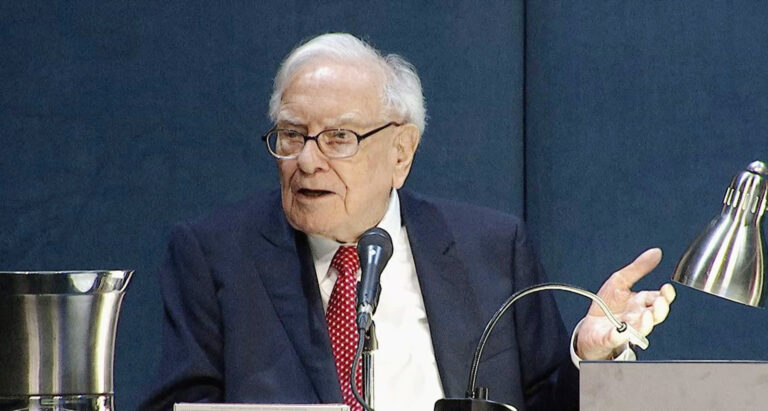
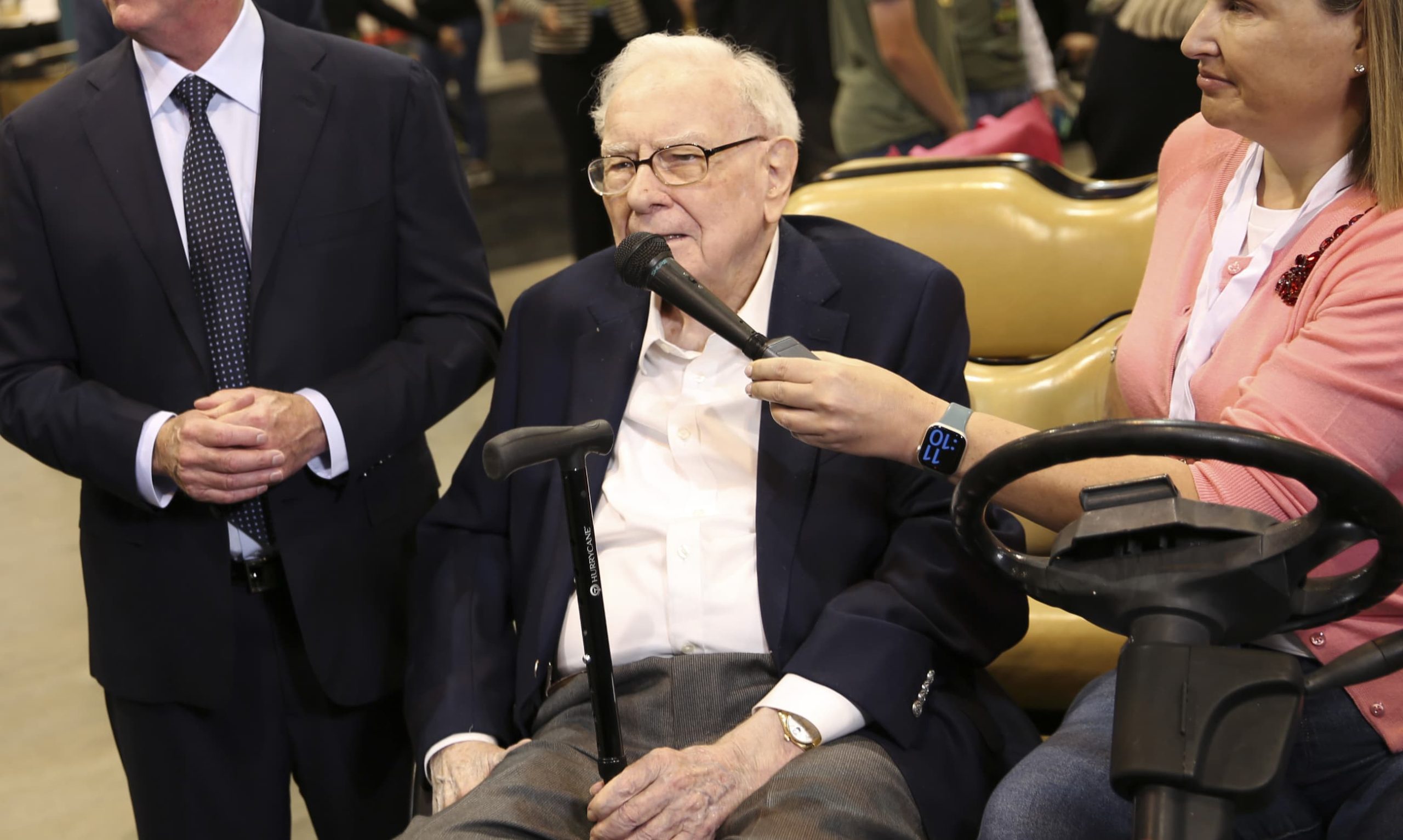
Buffett’s endorsement of Abel is unequivocal, framing the new CEO as the ideal custodian for a balance sheet that currently boasts more than $300 billion in cash and cash equivalents. During a recent comprehensive interview, the 95-year-old investor asserted that Berkshire Hathaway is better positioned for longevity than perhaps any other corporation in the modern era. He projected a 100-year horizon for the firm, suggesting that the institutional culture and the diversified nature of its holdings provide a "moat" that protects it against the typical cycles of corporate decay. Buffett’s confidence in Abel’s operational prowess is such that he remarked he would rather have Abel managing his personal capital than any other top-tier investment advisor or executive in the United States.
The mandate for Greg Abel is formidable. As "the decider," Abel inherits a portfolio that functions as a microcosm of the American economy. Berkshire’s holdings span from the high-speed tracks of the BNSF Railway to the consumer-facing reliability of GEICO insurance, and from massive energy utilities to a significant minority stake in Apple Inc. The challenge lies in maintaining the "Buffett Premium"—the historical tendency for Berkshire shares to trade at a valuation that reflects the market’s trust in Buffett’s specific brand of capital allocation. In the months following the initial retirement announcement, Berkshire’s stock slightly trailed the broader S&P 500, reflecting a palpable, if cautious, skepticism among some investors regarding whether a successor can replicate the "Oracle of Omaha’s" uncanny timing and discipline.
To understand the magnitude of this transition, one must look at the sheer scale of the value created under Buffett’s tenure. Since taking control in 1965, the company has delivered a cumulative return of approximately 5,000,000%. This astronomical growth was fueled by a distinct philosophy: the use of "float" from insurance operations to fund acquisitions of undervalued, cash-generating businesses. Abel, who built his reputation navigating the complex regulatory and operational landscape of Berkshire Hathaway Energy, is widely viewed as a "sensible" leader. Buffett noted that Abel maintains a low-profile, grounded lifestyle—often found playing ice hockey with his children rather than seeking the limelight of Davos or Wall Street galas. This temperament is critical for a company that employs nearly 400,000 people across dozens of autonomous subsidiaries.
The transition also heralds a significant shift in the public face of the company. For decades, the Berkshire Hathaway annual shareholder meeting in Omaha has been a pilgrimage for value investors, a "Woodstock for Capitalists" where Buffett and his late partner Charlie Munger would hold court for hours, answering questions on everything from macroeconomics to personal ethics. In a notable departure from tradition, Buffett has indicated that while he will remain Chairman of the Board, he will no longer take the stage at the annual meeting. Instead, he will sit in the directors’ section, allowing Abel and the next generation of leadership to command the floor. This symbolic move is intended to reinforce the reality that the "Abel era" has begun in earnest.
Economic analysts point to Berkshire’s $300 billion cash pile as both a safety net and a challenge. In an era of fluctuating interest rates and high equity valuations, the pressure to deploy this "dry powder" into meaningful acquisitions is intense. Buffett has famously complained about the lack of "elephant-sized" deals that meet his rigorous criteria for price and quality. The market is now watching to see if Abel will maintain this disciplined patience or if he will pivot toward a more aggressive acquisition strategy to justify the company’s trillion-dollar valuation. Abel’s background in energy—a capital-intensive sector requiring long-term planning and massive infrastructure investment—suggests he is well-suited for the "long game" that Berkshire prides itself on playing.

The 100-year outlook Buffett describes is rooted in a decentralized corporate governance model that is rare among modern mega-corporations. Unlike most conglomerates that suffer from "corporate friction"—high overhead, bureaucratic meddling, and central-office bloat—Berkshire operates with a remarkably small headquarters staff. This allows individual subsidiary CEOs to run their businesses with near-total autonomy, provided they send their excess cash back to Omaha for reallocation. This structure is designed to be anti-fragile; if one sector, such as retail or manufacturing, faces a downturn, the strength of the railroad or insurance segments provides a buffer.
However, the transition comes at a time of broader economic uncertainty. Global trade tensions, the rapid advancement of artificial intelligence, and the shift toward renewable energy present both risks and opportunities for Berkshire’s traditional industrial base. Abel’s deep expertise in the utility sector is particularly relevant as Berkshire Hathaway Energy navigates the transition to a lower-carbon economy—a transition that requires billions of dollars in capital expenditures but offers the prospect of steady, regulated returns for decades.
Critics of the succession plan often point to the "key man risk" that has shadowed Berkshire for years. Buffett’s personal brand and his reputation for integrity have often acted as a "soft power" that attracted sellers of family-owned businesses who wanted a permanent home for their legacies. Whether Abel can command that same level of trust from founders and CEOs remains to be seen. To mitigate this, Buffett has emphasized that the "culture" of Berkshire is the ultimate safeguard. He believes the company is built on a foundation of "doing the right thing" and "treating partners well," principles he expects Abel to uphold.
From an international perspective, Berkshire’s stability is often viewed as a bellwether for the health of the U.S. financial system. Its massive investments in Japanese trading houses in recent years demonstrated a willingness to look beyond domestic borders for value, a strategy that has paid off handsomely as the Nikkei reached record highs. Abel will be tasked with deciding whether to further globalize the portfolio or double down on the "American Tailwind" that Buffett has credited for much of his success.
As the corporate world watches this handoff, the primary focus remains on the "sensibility" that Buffett highlighted. In an age of high-frequency trading and quarterly-driven executive compensation, Berkshire’s insistence on a century-long horizon is an anomaly. The transition to Greg Abel is a bet that the principles of value investing—patience, discipline, and a focus on intrinsic worth—can be institutionalized and passed down like an inheritance.
The conclusion of Buffett’s CEO tenure is not an ending so much as a transformation. By stepping back from the day-to-day "decider" role while remaining a guiding presence as Chairman, Buffett is attempting to orchestrate the most graceful exit in corporate history. The success of this transition will be measured not in the stock price of the next few months, but in the resilience of the company over the next few decades. If Berkshire Hathaway is indeed still thriving in the year 2125, it will be because the foundation laid by Buffett was strong enough to support the weight of the new leadership and the ever-changing demands of the global economy. For now, the "Oracle" has spoken, and the "Decider" has taken his seat, marking the dawn of a new, yet familiar, era for the world’s most famous investment vehicle.