
The Islamic Republic of Iran currently finds itself navigating a labyrinth of compounding crises that have significantly narrowed its available diplomatic and economic exits. For decades, the regime in Tehran has relied on a sophisticated strategy of "strategic patience" and proxy-driven asymmetric warfare to maintain regional influence and domestic control. However, the contemporary landscape—characterized by a crumbling national currency, direct military friction with Israel, and a precarious leadership transition—has forced the Iranian leadership into a corner where the "off-ramps" to stability are becoming increasingly difficult to access. This tightening vise is not merely a product of external pressure but is the result of a structural collision between ideological rigidity and the harsh realities of a globalized economic system.
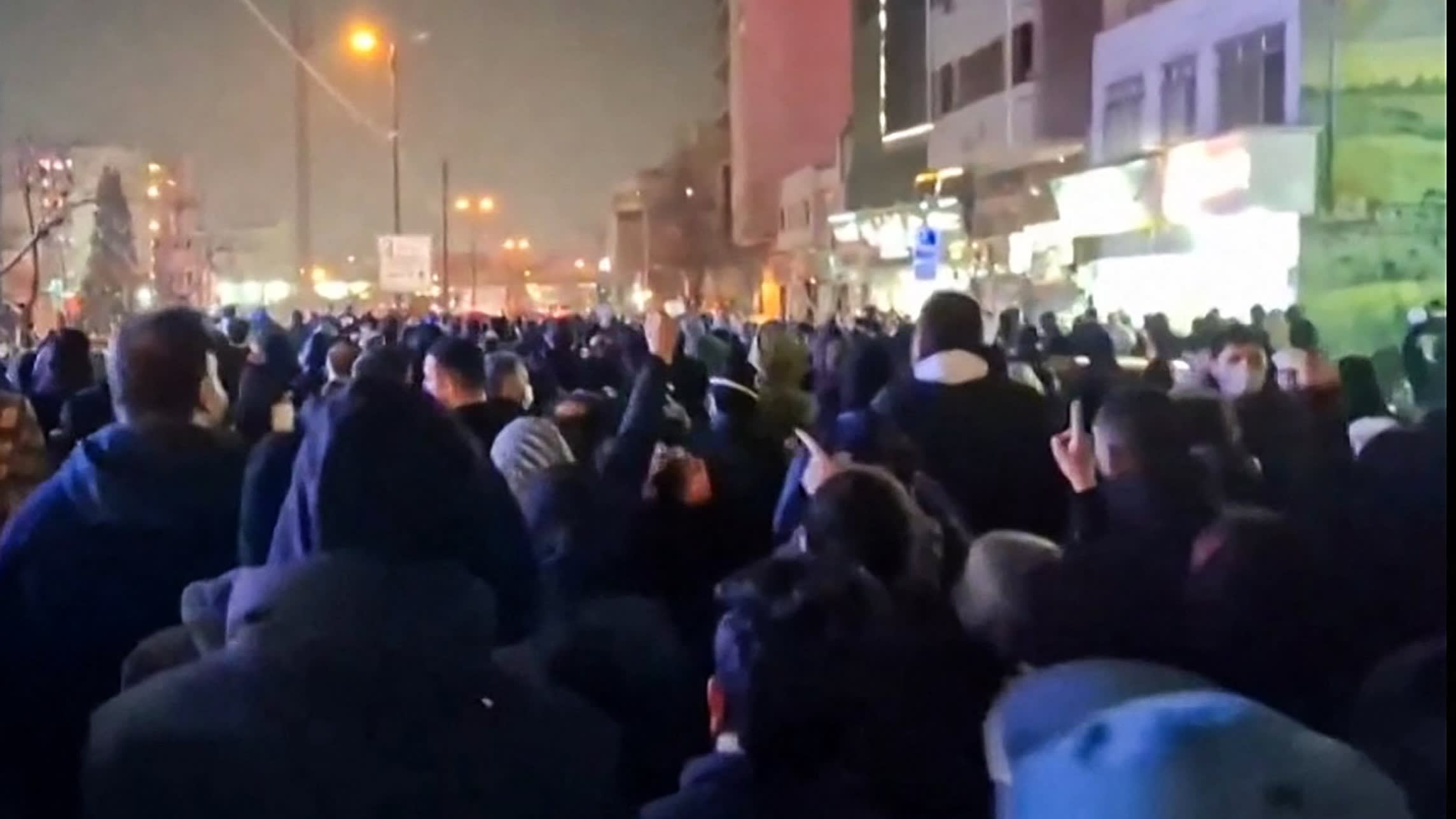
The most immediate and visible indicator of this narrowing path is the catastrophic state of the Iranian economy. The Iranian Rial has suffered a breathtaking devaluation over the past decade, frequently hitting record lows against the US dollar on the open market. This currency collapse has fueled a persistent inflationary environment, with official figures often placing annual inflation above 40%, though independent economists suggest the real-world impact on consumer staples is significantly higher. For the average Iranian household, the purchasing power of their wages has evaporated, leading to a profound erosion of the social contract that once traded political compliance for basic economic security. The "misery index"—a combination of unemployment and inflation—has reached levels that historically precede significant social unrest, creating a domestic pressure cooker that the regime can no longer ignore.
Compounding these domestic woes is the systemic isolation from the international financial architecture. Iran remains on the "black list" of the Financial Action Task Force (FATF), the global watchdog for money laundering and terrorist financing. This designation, coupled with the "maximum pressure" sanctions regime initiated by the United States and largely maintained through various iterations, has effectively severed Iran’s banking sector from the SWIFT messaging system. While Tehran has successfully established a "shadow banking" network to facilitate trade, particularly in oil, these workarounds come with a high "sanctions tax." Middlemen, shell companies, and discounted pricing for Chinese refineries mean that even when Iran increases its oil export volumes—recently estimated at over 1.5 million barrels per day—it realizes only a fraction of the potential revenue compared to its regional peers.
The geopolitical dimension of Iran’s dilemma is equally fraught. For years, Tehran’s "Ring of Fire" strategy—arming and funding a network of proxies including Hezbollah in Lebanon, Hamas in Gaza, and the Houthis in Yemen—served as a potent deterrent against direct attacks on Iranian soil. However, the events following the October 7 attacks and the subsequent regional escalation have altered this calculus. Israel’s systematic degradation of Hezbollah’s leadership and military infrastructure has weakened Iran’s most important strategic asset. Furthermore, the direct exchange of missile and drone strikes between Iran and Israel in 2024 has shattered the "shadow war" paradigm. Tehran now faces a reality where its proxy shield is fraying, forcing it into direct confrontations for which its conventional military forces are ill-equipped compared to the technologically superior Israeli and American assets in the region.
Internally, the Iranian political establishment is undergoing a period of profound uncertainty. The election of Masoud Pezeshkian, a figure often labeled as a "pragmatist" or "reformist," was initially seen by some as a potential opening for a new nuclear deal or a thawing of relations with the West. Yet, the structural reality of the Iranian state remains unchanged: the Supreme Leader, Ayatollah Ali Khamenei, and the Islamic Revolutionary Guard Corps (IRGC) hold the ultimate levers of power. Pezeshkian’s mandate is constrained by a hardline parliament and a security apparatus that views any significant concession to the West as an existential threat to the revolutionary ideology. The IRGC, in particular, has evolved from a military organization into a massive economic conglomerate, controlling an estimated 30% to 40% of the Iranian economy. For the IRGC, economic liberalization and the lifting of sanctions are double-edged swords; while they would benefit from increased trade, the transparency requirements of international financial norms would threaten their opaque business empires.
The succession question adds another layer of volatility. At 85, Ayatollah Khamenei is in the twilight of his rule, and the process of selecting a successor is fraught with the potential for internal power struggles. Historically, transitions in authoritarian systems are periods of maximum vulnerability. The regime must manage this transition while simultaneously dealing with a disillusioned youth population that is increasingly disconnected from the religious and revolutionary fervor of 1979. The "Woman, Life, Freedom" protests of 2022 and 2023 demonstrated a level of societal defiance that, while suppressed by force, remains a potent undercurrent. The regime’s inability to offer a vision of the future that includes both economic prosperity and social dignity has created a generational rift that may be impossible to bridge.
Iran’s "Look to the East" policy, aimed at deepening ties with China and Russia, has provided a lifeline but not a panacea. China remains the primary buyer of Iranian crude, but Beijing’s support is transactional and cautious. China has no interest in being dragged into a Middle Eastern war that could disrupt its broader energy security or its trade relations with the West. Similarly, while Iran has provided drones and ballistic technology to Russia for its campaign in Ukraine, the "strategic partnership" with Moscow is one of convenience rather than a deep-seated alliance. Russia, itself under heavy sanctions, cannot provide the capital or the high-tech investment Iran needs to modernize its aging energy infrastructure and industrial base. Consequently, Tehran finds itself in a position of dependency on two powers that prioritize their own global agendas over Iran’s regional ambitions.
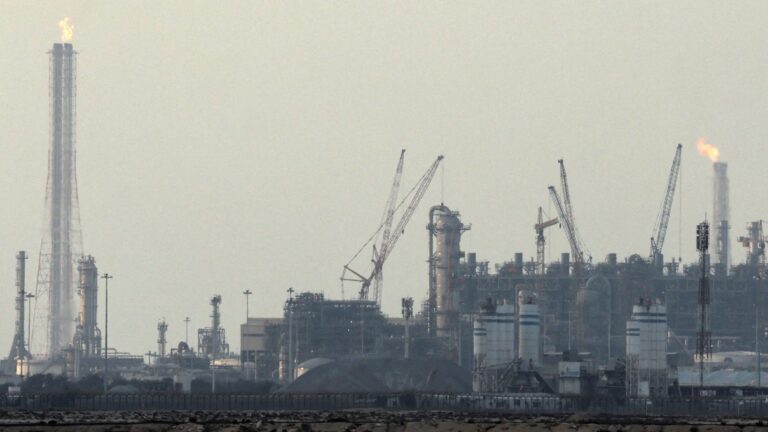
The energy sector, which should be Iran’s greatest strength, perfectly encapsulates the regime’s mismanagement. Despite possessing the world’s second-largest natural gas reserves and fourth-largest oil reserves, Iran suffers from chronic domestic energy shortages. Every winter, the government is forced to cut gas supplies to industries to heat homes, and every summer, power outages plague major cities. The lack of foreign investment and modern technology—estimated to require upwards of $200 billion to rectify—has left Iran’s energy fields in a state of decay. Without a diplomatic breakthrough that allows for the return of Western energy giants and their capital, Iran’s most valuable resource will continue to underperform, further starving the treasury of much-needed foreign exchange.
As the international community looks toward the next decade, the options for Tehran appear to be bifurcating into two equally risky paths. The first is a "North Koreanization" of the state—a complete withdrawal from the international community, a focus on nuclear breakout as an ultimate deterrent, and a reliance on internal repression and a permanent war economy. The second is a genuine "Grand Bargain" that would require Iran to limit its nuclear program, curtail its proxy activities, and implement significant domestic reforms in exchange for total sanctions relief and integration into the global economy.
However, the middle ground—the "off-ramp" that would allow for moderate reform without regime change—is rapidly disappearing. The trust deficit between Tehran and Washington is at an all-time high, and the regional environment is more combustible than it has been in decades. For the Iranian leadership, the cost of the status quo is rising daily, yet the perceived cost of a pivot toward the West is seen as a betrayal of the revolution’s core identity. This paralysis in decision-making, occurring against a backdrop of economic decline and military escalation, suggests that the window for a managed transition or a peaceful de-escalation is closing. The narrowing off-ramps for the Iranian regime are not just a diplomatic hurdle; they represent a fundamental challenge to the long-term viability of the Islamic Republic in its current form. As the pressure mounts from both within and without, the margin for error has never been thinner.