


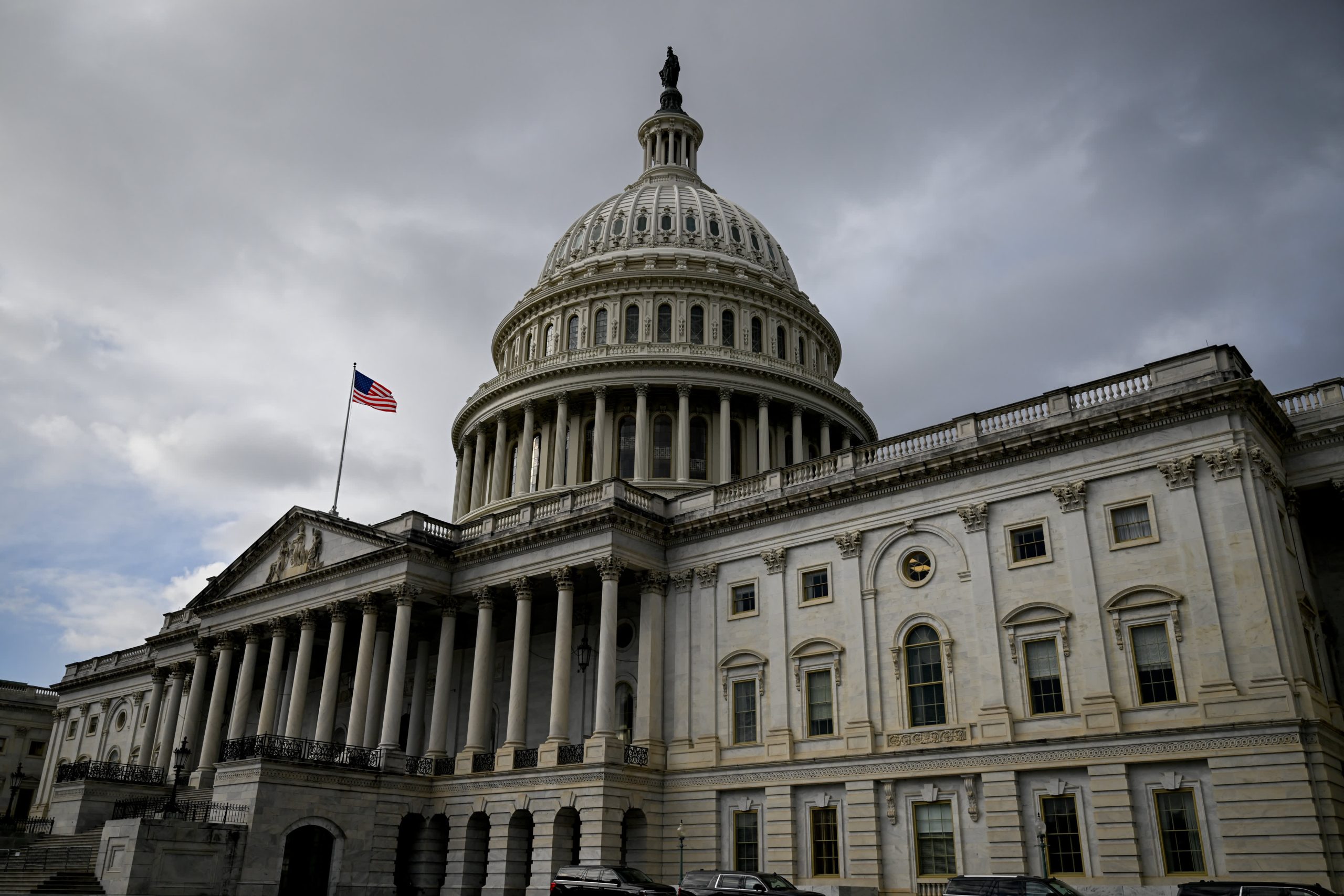
The United States Senate is poised to reignite a high-stakes legislative battle this week as the Agriculture and Banking Committees convene to refine the Clarity Act, a landmark piece of legislation designed to provide a comprehensive market structure for the digital asset industry. After a period of legislative inertia, the revival of this bill represents a critical juncture for the American financial ecosystem, aiming to transition the multi-trillion-dollar cryptocurrency market from a period of "regulation by enforcement" to one defined by statutory clarity. The hearings scheduled for Thursday are expected to serve as a crucible for the future of domestic fintech, as lawmakers grapple with the technicalities of decentralized finance, the competitive threat to traditional banking, and the ethical quandaries posed by public officials’ involvement in the sector.
For years, the U.S. digital asset market has operated within a jurisdictional gray area, caught between the competing mandates of the Securities and Exchange Commission (SEC) and the Commodity Futures Trading Commission (CFTC). The Clarity Act seeks to resolve this long-standing friction by establishing a definitive framework for token classification. By clarifying which assets fall under the "investment contract" umbrella and which should be treated as commodities, the bill aims to provide the legal certainty required for institutional-grade capital to enter the space. Market analysts suggest that such a framework could unlock billions in sidelined investment, as pension funds and insurance companies have historically been hesitant to engage with assets lacking a clear regulatory pedigree.
The economic stakes are particularly high as the U.S. faces stiff competition from international jurisdictions. The European Union’s Markets in Crypto-Assets (MiCA) regulation has already established a unified framework across its member states, while the United Kingdom and Singapore have aggressively courted digital asset firms with bespoke licensing regimes. Data from the Blockchain Association suggests that the U.S. share of the global crypto developer workforce has declined significantly over the past five years, falling from 40% to approximately 28%. Proponents of the Clarity Act, including Blockchain Association CEO Summer Mersinger, argue that the current legislative push is essential to reversing this trend. The goal is to create a "onshore" environment where firms can operate with predictable compliance costs, thereby stimulating job creation and maintaining American leadership in financial technology.
However, the path to consensus is fraught with technical and political hurdles. One of the primary points of contention involves the regulation of stablecoins, particularly those that offer rewards or yields to holders. The American Bankers Association (ABA) has emerged as a vocal critic of yield-bearing stablecoin products, arguing that they exploit loopholes in the previously passed "Genius Act." In a letter to the Senate, the ABA’s Community Bankers Council warned that these digital products function as unregulated high-yield savings accounts, siphoning deposits away from traditional community banks that are subject to rigorous capital requirements and FDIC oversight. The debate centers on whether stablecoin issuers should be permitted to offer interest-like rewards, a move that critics say could destabilize the traditional banking sector and increase systemic risk.
Beyond the banking sector, the treatment of Decentralized Finance (DeFi) remains a philosophical and legal battlefield. DeFi platforms, which allow for peer-to-peer lending and trading without intermediaries, challenge the very foundation of traditional financial regulation, which typically relies on a centralized entity to enforce compliance. The Clarity Act must navigate the delicate balance between preventing illicit finance—such as money laundering and the financing of terrorism—and protecting the "code as speech" principles that many developers champion. Advocates like Amanda Tuminelli of the DeFi Education Fund argue that legislation must target bad actors rather than the underlying software. There is a concerted push to ensure the bill includes provisions from the Blockchain Regulatory Certainty Act, which would exempt non-custodial service providers and software developers from being classified as money transmitters.
The legislative process is further complicated by the unique political landscape of the current administration. A significant portion of the debate this week will focus on conflict-of-interest provisions. Certain lawmakers, led by Senator Elizabeth Warren, are advocating for strict prohibitions that would prevent elected officials from profiting from digital asset ventures while in office. This issue has taken on a partisan edge, given the high-profile involvement of entities associated with President Donald Trump in the crypto market, including the launch of non-fungible tokens (NFTs) and specific memecoins. While the House previously deferred on this issue due to its complexity, Senate Democrats appear unwilling to bypass the matter, viewing it as a fundamental question of government ethics and public trust.
From a market perspective, the urgency of the Clarity Act cannot be overstated. The total market capitalization of digital assets has fluctuated between $2 trillion and $3 trillion over the past year, yet much of this value remains volatile due to regulatory uncertainty. The bill’s proponents argue that by establishing clear registration and compliance standards for brokerages and exchanges, the U.S. can foster a more stable and mature market. This would include mandated disclosures, consumer protection protocols, and rigorous auditing requirements—measures that could prevent the type of catastrophic collapses seen in recent years with platforms like FTX and Celsius.
The timeline for the Clarity Act is also dictated by the looming 2026 midterm elections. Legislative windows in Washington are notoriously narrow, and there is a pervasive fear among industry advocates that if the bill is not moved out of committee and onto the Senate floor within the next few months, it could succumb to election-year paralysis. There is also the risk of "legislative fatigue," where the complexity of the subject matter leads to a loss of momentum. Industry leaders emphasize that the current pro-innovation climate under the present administration offers a "key window" that may not remain open indefinitely.
Moreover, the bill’s impact extends to the burgeoning field of Real World Asset (RWA) tokenization. Major financial institutions, including BlackRock and JPMorgan, have begun exploring the use of blockchain to tokenize traditional assets like Treasury bills, real estate, and private equity. For these initiatives to scale, a robust legal framework for digital asset market structure is a prerequisite. The Clarity Act could provide the necessary infrastructure for a hybrid financial system where traditional and digital assets coexist on a single ledger, potentially reducing settlement times from days to seconds and lowering transaction costs for consumers.
As the Senate Agriculture and Banking Committees prepare to merge their respective drafts into a unified bill, the financial world will be watching closely. The outcome of these markups will signal whether the U.S. is ready to embrace a digital-first financial future or if it will continue to rely on a patchwork of legacy regulations. The stakes involve more than just the price of Bitcoin; they involve the fundamental architecture of the global financial system. If the Clarity Act succeeds, it could set a global gold standard for digital asset regulation, balancing the need for innovation with the imperatives of consumer protection and national security. If it fails, the "regulatory arbitrage" that has seen capital and talent flee to more welcoming shores is likely to accelerate, leaving the U.S. to navigate a digital economy it no longer leads.
In the coming weeks, the legislative process will move to the Senate floor, where the bill will face intense scrutiny and potential amendments. The discussions are expected to be exhaustive, reflecting the transformative nature of the technology in question. Ultimately, the Clarity Act represents a test of the American legislative system’s ability to adapt to the rapid pace of technological change. For investors, developers, and traditional bankers alike, the resolution of this "regulatory maze" will define the economic landscape for decades to come.