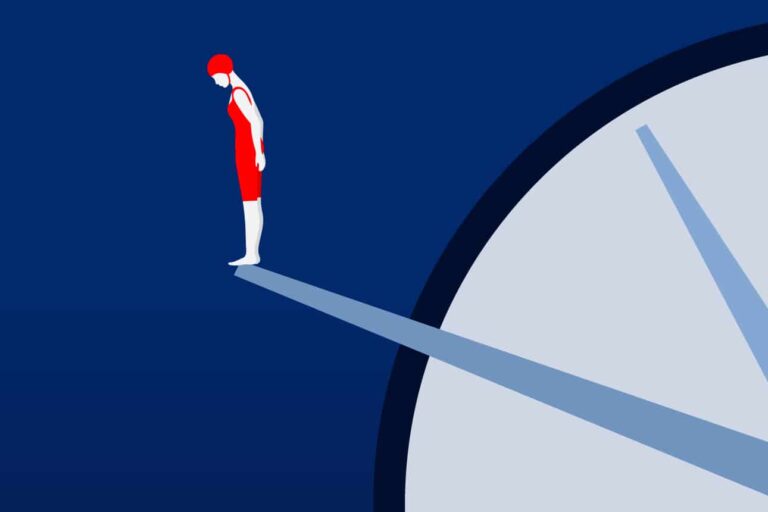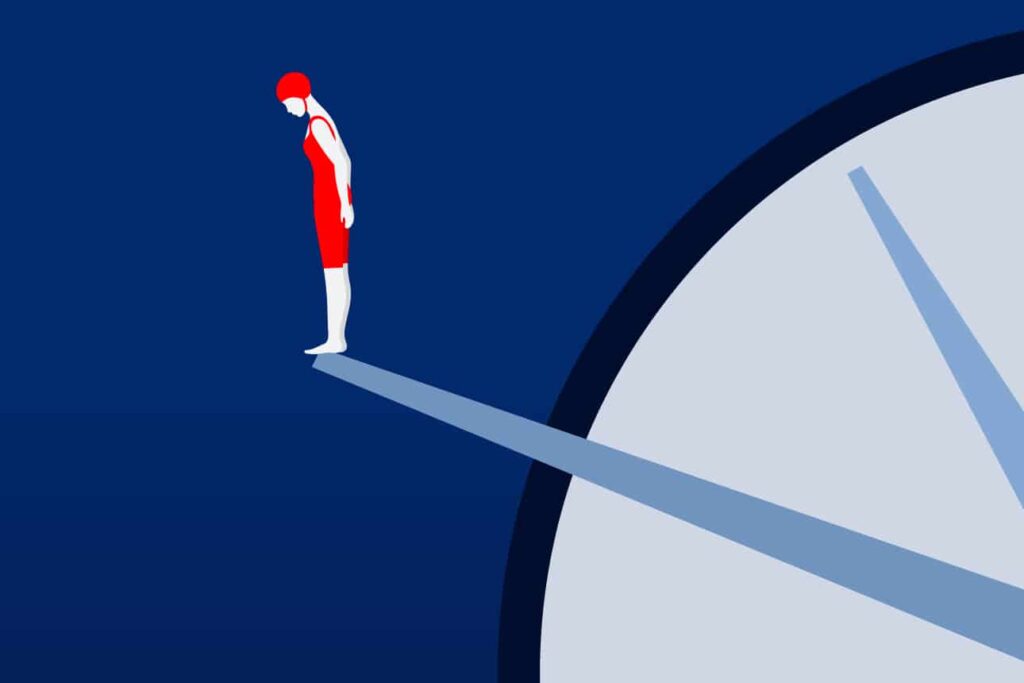



The United States Federal Reserve enters 2026 standing at a historic crossroads, facing an unprecedented convergence of institutional, political, and economic pressures that threaten to redefine the boundaries of central bank independence. After a tumultuous 2025 characterized by aggressive public friction with the executive branch and a delicate recalibration of monetary policy, the central bank now prepares for a year that will likely determine its trajectory for the remainder of the decade. With the tenure of Chair Jerome Powell nearing its conclusion and a new era of fiscal policy taking hold, the Federal Open Market Committee (FOMC) finds itself in the "hot seat" of global finance, tasked with guiding a $28 trillion economy through a landscape of contradictory signals.
The immediate horizon is dominated by a looming leadership vacuum and a legal battle that could alter the constitutional architecture of the Federal Reserve System. On January 21, 2026, the Supreme Court is scheduled to hear arguments regarding the removal of Governor Lisa Cook. The case, stemming from the White House’s attempt to oust her over unproven allegations, strikes at the heart of the "for cause" protections that have historically shielded Fed governors from political whims. This judicial showdown occurs just a week before the first FOMC meeting of the year, creating an atmosphere of legal and administrative uncertainty that Wall Street is watching with mounting anxiety.
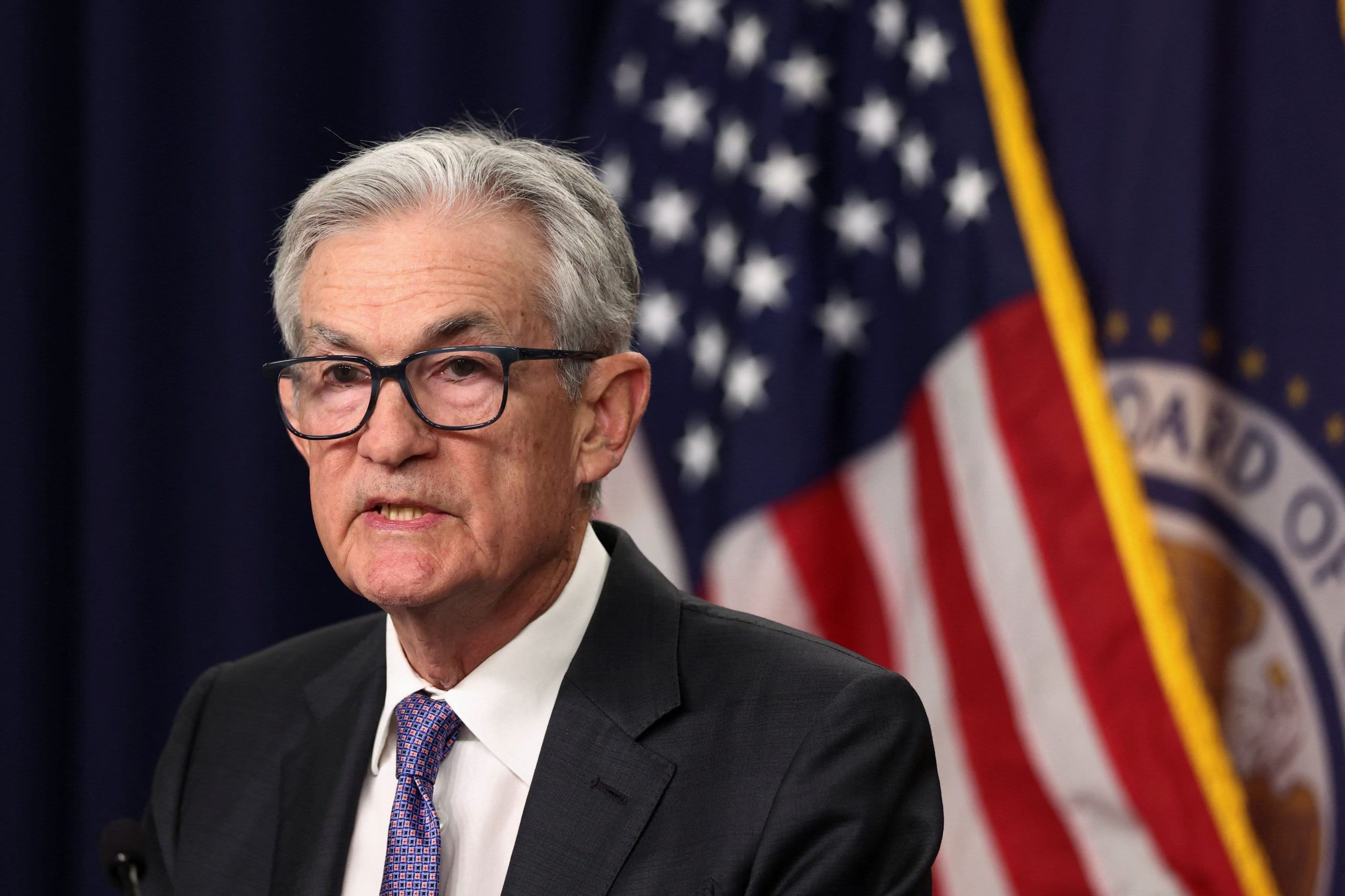
Simultaneously, the search for Jerome Powell’s successor has become a public spectacle, moving away from the traditionally quiet deliberations of the past. Led by Treasury Secretary Scott Bessent, a rigorous and highly publicized interview process has reportedly considered as many as 11 candidates. This transition comes at a delicate moment; while Powell’s second term as Chair expires in May 2026, he retains a seat on the Board of Governors until 2028. Whether he chooses to remain as a regular governor—potentially creating an awkward dynamic with a new, Trump-appointed Chair—remains one of the most significant unanswered questions in Washington.
The economic backdrop for this transition is equally complex. Throughout 2025, the Fed managed to orchestrate three consecutive 25-basis-point interest rate cuts, bringing the federal funds rate closer to the elusive "neutral" level—the point at which monetary policy neither stimulates nor restricts economic growth. Most economists estimate this neutral rate to be approximately 3%. However, the path to reaching that floor has become increasingly obscured. While the Fed’s "dot plot" of projected interest rates suggests only one further reduction in 2026, the market remains divided.
Optimists, including Moody’s Analytics chief economist Mark Zandi, suggest that lingering labor market softness could necessitate up to three cuts in the first half of the year. Conversely, many institutional analysts argue that the "winds are changing" in favor of higher-for-longer rates. Torsten Slok, chief economist at Apollo Global Management, points to a shift from the headwinds of 2025—such as tariff-induced uncertainty and inflationary spikes—to a new set of tailwinds. He argues that significant fiscal stimulus and a stabilizing labor market may force the Fed to remain hawkish to prevent the economy from overheating.
The internal dynamics of the FOMC are also shifting toward a more restrictive bias. As regional bank presidents rotate into voting positions for 2026, the committee is expected to take on a more "hawkish" tilt. These new voters have historically expressed greater concern over persistent inflation than their predecessors, suggesting that any further rate cuts will be met with internal resistance and potential dissents. This lack of unanimity could complicate the Fed’s communication strategy at a time when clarity is most needed.
Adding to this complexity is the "AI Wildcard." The rapid integration of artificial intelligence into the American economy has become a focal point for monetary policymakers. Joseph Brusuelas, chief economist at RSM, notes that the Fed faces a monumental challenge in assessing whether AI is primarily a productivity enhancer or a disruptor of traditional employment models. If AI leads to a genuine productivity miracle, the economy could theoretically sustain higher growth rates without triggering inflation, allowing the Fed more room to maneuver. However, if the technology leads to significant labor displacement in the short term, the central bank’s "dual mandate" of price stability and maximum employment could come into direct conflict.
The U.S. economy’s resilience has, thus far, defied many skeptical forecasts. Preliminary data from the Atlanta Fed’s GDPNow model indicates the economy is accelerating at a 3% pace heading into the new year, bolstered by a stock market that saw double-digit gains in 2025. This strength is a double-edged sword for the Fed. While it validates the "soft landing" narrative, it also keeps inflation risks on the table, particularly as the administration’s trade policies and tariff regimes continue to influence consumer prices.
Global comparisons further highlight the Fed’s unique position. While the European Central Bank (ECB) and the Bank of England have faced their own struggles with growth and inflation, neither has dealt with the level of direct executive branch intervention currently seen in the United States. The threat of firing a sitting Fed Chair or the public vetting of successors through the Treasury Department marks a departure from the norms of the last four decades. International investors are closely monitoring whether the U.S. central bank can maintain its credibility as an independent actor, as any perceived loss of autonomy could lead to a "risk premium" being attached to U.S. Treasuries, driving up borrowing costs regardless of the Fed’s actual rate decisions.
The institutional integrity of the Federal Reserve was further tested in late 2025 by controversies surrounding non-monetary issues, such as cost overruns at its Washington headquarters renovation. While seemingly minor compared to interest rate policy, these issues provided political ammunition for critics who seek to increase oversight or reduce the Fed’s discretionary power. For the incoming Chair, navigating these administrative and political minefields will be just as critical as analyzing Consumer Price Index (CPI) data.
As 2026 unfolds, the Federal Reserve’s "strategic direction" will require a delicate balancing act. It must manage a leadership transition that is fraught with political tension, interpret the economic impact of a technological revolution in AI, and determine the final resting place for interest rates in a post-pandemic world. The central bank is no longer just fighting inflation; it is fighting for its institutional identity.
The stakes could not be higher. If the Fed miscalculates and cuts rates too slowly, it risks stifling the growth generated by new technologies and fiscal investment. If it moves too quickly, it risks reigniting the inflationary fires that took years to extinguish. But perhaps the greatest risk lies in the perception of its independence. As Kathy Bostjancic, chief economist at Nationwide, aptly noted, the Fed remains in the "hot seat." In 2026, the world will be watching to see if the institution can withstand the heat of political pressure while maintaining the cool, data-driven approach that has been the bedrock of global financial stability for generations.
The coming months will reveal whether the Federal Reserve can successfully transition into this new era. With the Supreme Court’s looming decision, the appointment of a new Chair, and the ongoing evolution of the American labor market, 2026 promises to be a year of "extraordinary upheaval" that will echo through the halls of global finance for years to come. The era of the "Powell Fed" may be ending, but the challenges facing the institution are only just beginning to intensify.