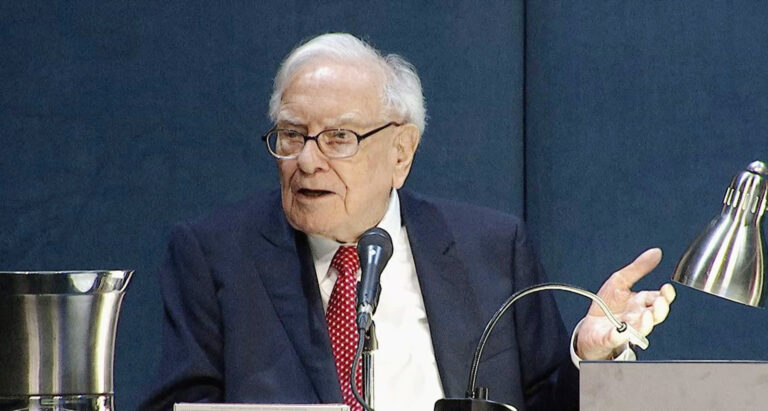
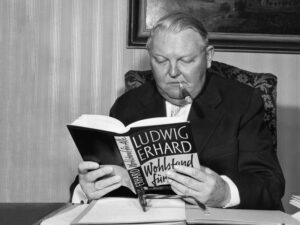

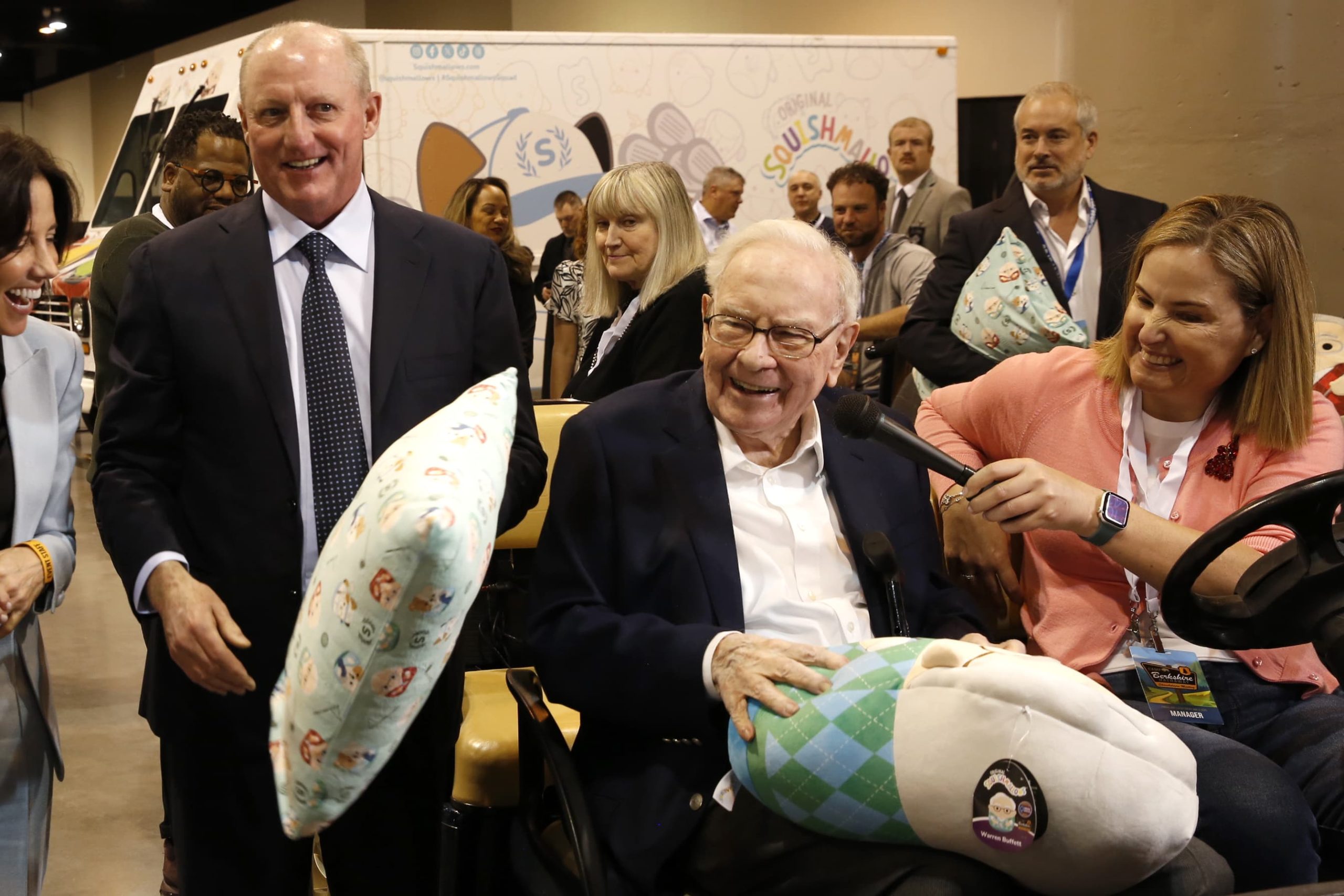
The transition of power at Berkshire Hathaway marks the conclusion of one of the most storied chapters in American corporate history. As Warren Buffett, the 95-year-old "Oracle of Omaha," formally handed the chief executive mantle to Greg Abel at the dawn of 2026, he left behind a conglomerate that is as much a testament to disciplined inaction as it is to bold acquisition. Even in his final months at the helm, Buffett remained a predator in wait, prowling the global markets for a "major elephant"—a massive acquisition capable of moving the needle for a company that has grown so large it effectively mirrors the American economy. Yet, despite a record-breaking cash pile that reached $381.6 billion by the end of the third quarter of 2025, the elusive deal remained just out of reach, highlighting a market environment where value is increasingly difficult to harvest.
The paradox of Berkshire Hathaway’s current position is striking. While most corporate leaders are judged by their ability to deploy capital rapidly, Buffett has spent his final tenure defending the virtues of sitting on his hands. This strategic patience is not born of a lack of ambition but of a rigorous adherence to the principles of intrinsic value. In discussions regarding his final year as CEO, Buffett emphasized that the constraint was never the size of the check—noting a willingness to deploy $100 billion in a single afternoon—but rather the scarcity of opportunities that met his criteria for long-term profitability and "sensible" pricing.
For decades, Berkshire Hathaway has functioned as a massive capital allocation machine, funneling the "float" from its insurance operations into diverse businesses ranging from railroads to candy makers. However, the sheer scale of the company now necessitates deals of unprecedented magnitude to impact its bottom line. A $10 billion acquisition, once a transformational event, is now almost negligible for a firm with a market capitalization hovering near the trillion-dollar mark. This "law of large numbers" has forced Buffett to look only at the largest of corporate targets, a space where competition from private equity and sovereign wealth funds is fierce, and valuations have been inflated by years of low interest rates and a robust bull market.
The magnitude of Berkshire’s cash reserves is difficult to overstate. At $381.6 billion, the company’s liquid holdings exceed the market capitalization of most companies in the S&P 500. This mountain of dry powder grew significantly throughout 2025, largely due to Buffett’s aggressive reduction of his most iconic positions. The systematic pruning of Berkshire’s stakes in Apple and Bank of America signaled a shift in sentiment. While Buffett has long praised these companies, his decision to realize gains and move into cash suggests a belief that current market valuations offer a poor risk-reward ratio compared to the safety of short-term Treasury bills.
Buffett has frequently likened liquidity to oxygen: something that is often taken for granted when it is abundant but becomes the only thing that matters when it is scarce. In his view, cash is a mediocre long-term asset, particularly in an inflationary environment, but it is an essential survival tool. By maintaining such a massive reserve, Berkshire positions itself as the global "lender of last resort." History has shown that when the broader markets succumb to panic—as they did in 2008 and 2020—Berkshire’s cash allows it to provide emergency liquidity to distressed icons in exchange for lucrative terms that are unavailable during periods of prosperity.
Despite the focus on the "big hunt," Berkshire did not remain entirely dormant in the lead-up to the leadership transition. In October 2025, the firm closed a $9.7 billion cash acquisition of OxyChem, the chemical arm of Occidental Petroleum. While substantial by any standard metric, Buffett dismissed such deals as "peanuts" in the context of Berkshire’s total capacity. The OxyChem deal, however, underscores a broader strategic pivot toward the energy and industrial sectors—areas where Greg Abel has already proven his expertise. Abel, who built Berkshire Hathaway Energy into a dominant force in the utility sector, is widely seen as an operational specialist who understands the intricacies of capital-intensive businesses with wide economic moats.
The transition to Greg Abel represents more than just a change in personnel; it is a shift from a "cult of personality" investment model to an institutionalized operational model. For sixty years, shareholders have extended Buffett a level of trust that is unique in the financial world. They have been content to let him accumulate cash without demanding dividends or massive share buybacks, trusting that he would eventually find the perfect moment to strike. Whether they will afford Abel the same latitude is one of the most pressing questions facing the company in the post-Buffett era.
Market analysts suggest that the pressure on Abel to deploy capital will be immense. If Berkshire’s shares continue to track or underperform the broader market while the cash pile grows, activist investors or frustrated institutional holders may begin to call for a fundamental change in capital allocation policy. This could include the initiation of a regular dividend—a move Buffett has resisted for his entire career—or a more aggressive share repurchase program. However, those close to the company argue that Abel’s mandate is to maintain the "Berkshire Way," which prizes long-term stability over short-term market appeasement.
The economic impact of Berkshire’s restraint is felt far beyond Omaha. As a bellwether for the American economy, Berkshire’s refusal to buy at current prices serves as a cautionary signal to the broader investment community. It suggests that one of the world’s most successful investors views the current market as "frothy," where the price of admission into quality businesses far exceeds their underlying value. In a global economy characterized by geopolitical volatility, fluctuating interest rates, and the disruptive potential of artificial intelligence, Buffett’s preference for "oxygen" over overvalued equities is a sobering reminder of the importance of capital preservation.
Furthermore, the global landscape for acquisitions has become increasingly complex. Regulatory hurdles in the United States and Europe have made "mega-mergers" more difficult to execute, with antitrust scrutiny reaching heights not seen in decades. For a buyer like Berkshire, which prides itself on being a "home for the long term" for family-owned businesses and corporate orphans, the regulatory environment adds a layer of friction to the elephant hunt. Any $100 billion deal would likely face intense investigation, potentially delaying the closing for years and introducing execution risk that Buffett has historically preferred to avoid.
As Greg Abel takes the reins, he inherits a fortress. Berkshire Hathaway is not merely a collection of companies but a diversified ecosystem designed to withstand any economic storm. From the Geico insurance business to the BNSF Railway and a vast array of manufacturing and retail subsidiaries, the company generates billions in free cash flow every month. The challenge for the new CEO will be to find a way to reinvest that cash in a manner that maintains the compounded annual returns that made Buffett a legend.
In his final reflections as CEO, Buffett remained characteristically humble, attributing much of his success to the "American tailwind"—the unique combination of political stability, rule of law, and entrepreneurial spirit that has fueled the U.S. economy for two centuries. He leaves Berkshire Hathaway in a position of unprecedented strength, with enough liquidity to capitalize on the next great market dislocation. While the "elephant" may have eluded him in his final months, the trap remains set. Whether it is Abel or a future successor who eventually pulls the trigger, the $381 billion reserve ensures that when the opportunity finally arrives, Berkshire Hathaway will have the firepower to claim it. The era of Warren Buffett may be transitioning into the era of Greg Abel, but the philosophy of waiting for the right pitch remains the cornerstone of the Berkshire empire.