

The global financial landscape of 2025 will likely be remembered as a period of profound recalibration, defined by aggressive fiscal policy shifts, heightened geopolitical tensions, and a volatile tug-of-war between inflationary pressures and growth expectations. Within this complex environment, Citadel, the Miami-headquartered hedge fund titan led by Ken Griffin, has once again demonstrated the efficacy of its multi-strategy approach. The firm’s flagship Wellington fund posted a 10.2% return for the year, a performance that highlights the institution’s ability to extract value from market inefficiencies even as traditional benchmarks experienced a rollercoaster trajectory.
While the headline figure for the flagship fund was solid, the internal diversification of Citadel’s portfolio revealed even more aggressive pockets of growth. The firm’s Tactical Trading fund, which integrates sophisticated quantitative methodologies with fundamental equity analysis, surged by 18.6% in 2025. Simultaneously, Citadel’s fundamental equity strategy—a pillar of its investment philosophy—returned 14.5%, while its global fixed income arm advanced by 9.4%. These results reflect a year where "alpha," or the ability to generate returns independent of broader market movements, was hard-won and required a sophisticated synthesis of technology and human expertise.
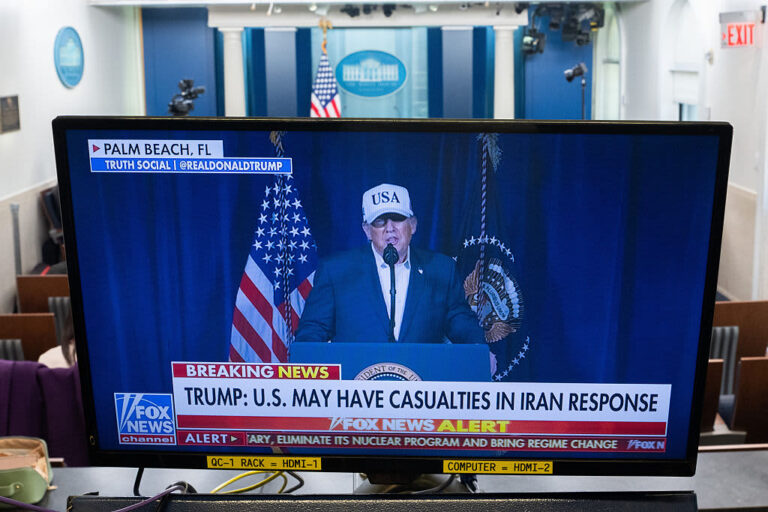
To understand Citadel’s 2025 performance, one must look at the broader market context. The S&P 500 finished the year with a 16.4% gain, marking its third consecutive year of double-digit growth. However, this annual figure masks a period of extreme duress that shook investor confidence in the second quarter. In early April, the markets were sent into a tailspin following the announcement of sweeping reciprocal tariffs by the Trump administration. The move, intended to recalibrate American trade imbalances, initially sparked fears of a global trade war and a resurgence of stagflation. During this period, the S&P 500 teetered on the edge of a bear market, wiping out trillions in market capitalization in a matter of weeks.
For multi-strategy giants like Citadel, such volatility is often viewed as an opportunity rather than a crisis. Unlike traditional "long-only" funds that suffer during market drawdowns, Citadel’s model relies on various "pods" or independent investment teams that trade across different asset classes and geographies. This structure allows the firm to hedge against systemic shocks while capitalizing on the price dislocations that occur when panicked investors sell off assets. The 10.2% return in the Wellington fund, while trailing the S&P 500’s year-end total, represents a risk-adjusted performance that many institutional investors value for its lower volatility and protection against downside risk.
The firm’s decision to return approximately $5 billion in profits to its clients at the end of 2025 is a strategic move that underscores a core tenet of Griffin’s management philosophy: capital discipline. By returning this capital, Citadel expects to reduce its assets under management (AUM) from approximately $72 billion to roughly $67 billion. In the world of high-finance hedge funds, bigger is not always better. There is a "capacity" limit to how much capital can be deployed effectively within specific strategies without eroding the very "alpha" the fund seeks to capture. By keeping the fund at a manageable size, Citadel ensures it remains nimble enough to enter and exit positions without moving the market against itself.
This practice of returning capital has become a hallmark of the industry’s most elite "platform" shops, including peers like Millennium Management and Point72. It signals to the market that the firm is prioritized on performance percentages rather than simply collecting management fees on an ever-growing pile of assets. For Citadel’s investors—largely comprised of sovereign wealth funds, pension funds, and university endowments—this consistency is the primary draw. Since its inception in 1990, the Wellington fund has generated an annualized return of nearly 19%, a track record that places Griffin among the most successful investors in history.
The economic backdrop of 2025 was further complicated by the Federal Reserve’s delicate balancing act. After a series of interest rate adjustments designed to cool the post-pandemic inflationary surge, the central bank found itself navigating a "higher-for-longer" environment that tested the leverage-heavy models of many smaller hedge funds. Citadel’s global fixed income fund, gaining 9.4%, suggests that the firm successfully anticipated the nuances of the yield curve, even as bond markets globally grappled with the implications of sustained fiscal deficits and shifting currency valuations.
Expert analysis suggests that the divergence in performance across Citadel’s various funds points to a successful integration of its quantitative and fundamental arms. The 18.6% rise in Tactical Trading is particularly noteworthy. In recent years, the "quant-mental" approach—combining big data and machine learning with traditional boots-on-the-ground company research—has become the gold standard for the industry. By utilizing high-frequency data to inform medium-term fundamental bets, Citadel has built a technological moat that is increasingly difficult for smaller competitors to breach.
Furthermore, the firm’s performance must be viewed through the lens of the "war for talent." Citadel has remained aggressive in its recruitment, often poaching top-tier data scientists and traders from both Silicon Valley and rival Wall Street firms. This human capital, supported by a pass-through expense model where investors cover the costs of technology and talent in exchange for superior net returns, has allowed Citadel to maintain a level of operational excellence that few can match. The cost of running such a sophisticated operation is high, but the 2025 returns suggest that for the firm’s clients, the price of entry is well worth the stability provided during volatile cycles.
Geopolitically, 2025 was a year of "The Great Re-alignment." As trade tensions between the United States and its major trading partners intensified, supply chains continued to shift toward "friend-shoring" and domestic production. This macro shift created significant winners and losers in the equity markets. Citadel’s fundamental equity strategy, returning 14.5%, likely benefited from identifying the domestic industrial and technology firms that stood to gain from protective trade policies and increased government incentives for domestic manufacturing.
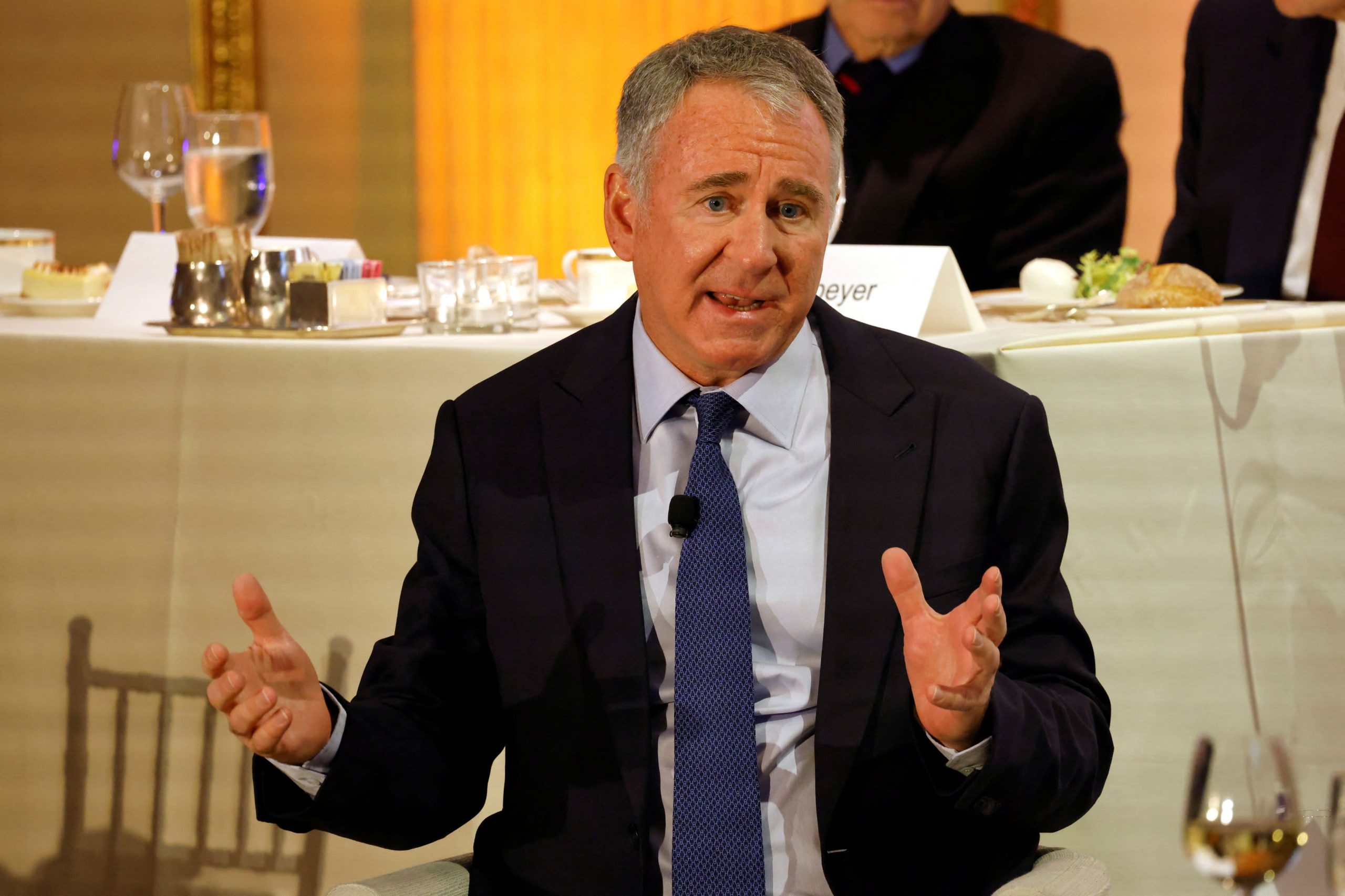
Ken Griffin himself has become an increasingly prominent figure in this broader economic and political discourse. Since moving Citadel’s headquarters from Chicago to Miami, Griffin has been vocal about the need for pro-growth policies and the importance of maintaining the U.S. dollar’s status as the world’s reserve currency. His firm’s success in 2025 serves as a practical application of his belief in market efficiency and the power of American capital markets to adapt to shifting political realities.
Looking ahead to 2026, the hedge fund industry faces a new set of challenges. While 2025 ended on a high note for risk assets, the underlying tensions of the "April Shock" remain. The global economy is still adjusting to the long-term implications of tariffs, and the potential for a cooling labor market or a sudden shift in consumer spending could create new pockets of volatility. However, if the past year is any indication, Citadel’s multi-strategy framework is well-positioned to navigate these uncertainties.
The 10.2% return for the flagship fund may not have captured the full exuberance of the S&P 500’s late-year rally, but it achieved something arguably more important: consistent, positive performance in a year where many participants were caught off guard by the speed and severity of market swings. By focusing on capital discipline, technological integration, and a diversified approach to risk, Citadel has solidified its position at the apex of the global financial hierarchy. As the firm prepares to enter the next fiscal year with a leaner, more focused capital base of $67 billion, the industry will be watching closely to see if Griffin’s powerhouse can continue its decades-long streak of outperformance in an increasingly unpredictable world.