
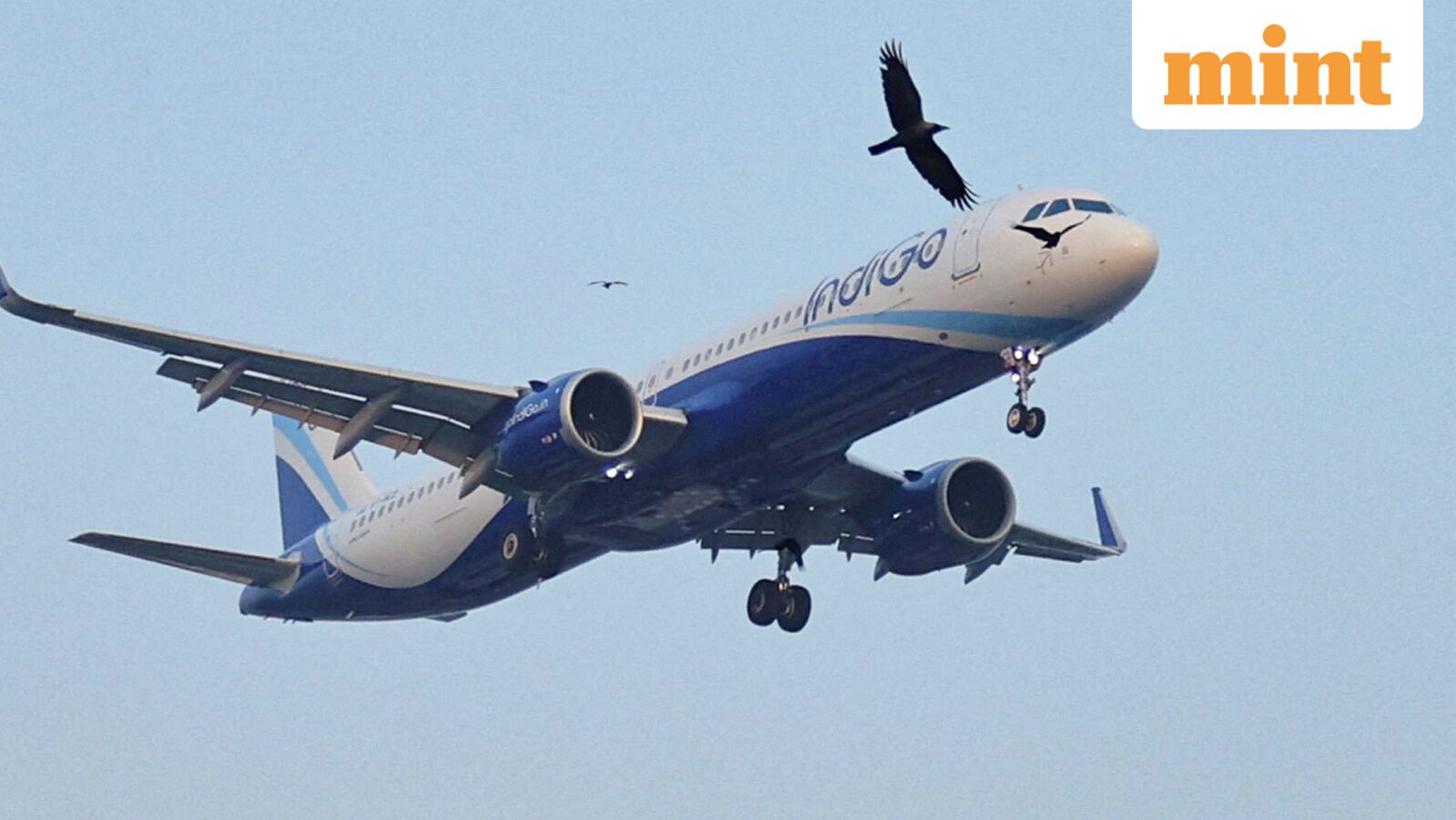
This remarkable delivery streak follows a similar pattern in 2024, when IndiGo received 58 Airbus planes, constituting 7.6% of the manufacturer’s total deliveries. While the airline faced an "operational meltdown" in December 2025, attributed to various factors including engine issues and crew shortages, its relentless fleet expansion is a strategic imperative to meet surging passenger demand, maintain its dominant market share, and enhance operational resilience through capacity infusion. The airline’s consistent preference for the A320 and A321 Neo families reflects its focus on fuel efficiency, a critical factor in the LCC model, which helps mitigate the impact of volatile fuel prices and contributes to a lower operating cost per seat.
Globally, Airbus navigated a challenging production environment to deliver a total of 793 aircraft in 2025, successfully surpassing its revised target of 790, though falling short of its initial aspiration of 820 units. This performance reflects ongoing complexities within the aerospace supply chain, including labour shortages, material procurement issues, and the ramp-up challenges faced by manufacturers post-pandemic. Despite these hurdles, Airbus’s ability to meet its adjusted goals signals a gradual stabilisation in production capabilities. Beyond IndiGo, other major global carriers also made significant additions to their fleets, with Wizz Air ranking second with 40 deliveries, while China Southern Airlines and Delta Air Lines tied for third, each accepting 38 aircraft in 2025. This competitive landscape among global airlines for new aircraft slots underscores the intense demand for modern, fuel-efficient jets.
In stark contrast to IndiGo’s aggressive intake, India’s flag carrier, Air India, did not take any new deliveries from Airbus in 2025. This hiatus, however, is part of a broader, long-term fleet transformation strategy initiated by the Tata Group following its acquisition of the airline in 2022. Air India’s mega order placed in 2023, comprising 250 Airbus aircraft (and 220 Boeing jets), primarily involved “white tail” aircraft in the initial phase – planes that were already built but not yet customised for a specific airline. The subsequent deliveries are focused on “line-fit” planes, which are tailored to Air India’s specifications, including cabin interiors and connectivity systems, directly from the production line. While an A350-1000 was technically delivered by Airbus and recorded as such, it remained in storage for essential cabin fitments before its ferry flight to Delhi, illustrating the meticulous process of integrating new, advanced wide-body aircraft into a revitalised fleet designed for ambitious international expansion.
A significant milestone for IndiGo in 2025 was the presumed delivery of its first Airbus A321XLR (Extra Long Range) on the very last day of the year. While Airbus typically does not list the XLR as a distinct type or disclose specific registration details, the timing of IndiGo’s A320neo and A321neo deliveries on December 31st aligns with market expectations and the airline’s earlier guidance. The A321XLR is a game-changer for IndiGo, offering an extended range of up to 4,700 nautical miles, enabling the LCC to open new medium-haul international routes that were previously only viable for wide-body aircraft. This capability allows IndiGo to connect Indian cities to destinations across Europe, Southeast Asia, and even parts of Africa, fundamentally reshaping its network strategy and potentially blurring the lines between traditional low-cost and full-service international operations.

India’s aviation sector continues to be a global hotspot for growth, driven by robust macroeconomic fundamentals. With a projected annual growth rate exceeding 10% in passenger traffic for the next decade, India is poised to become the world’s third-largest aviation market by 2030, according to industry forecasts from IATA and other agencies. Factors such as a rapidly expanding middle class, rising disposable incomes, increasing urbanisation, and government initiatives like the UDAN (Ude Desh ka Aam Naagrik) scheme to enhance regional connectivity, all contribute to this exponential demand. Furthermore, significant investments in airport infrastructure, including the construction of new greenfield airports and the expansion of existing ones, are facilitating the necessary ground capacity to support this airborne expansion. This confluence of factors makes India an indispensable market for global aircraft manufacturers like Airbus and Boeing.
The sheer scale of the Indian carriers’ order books underscores the long-term confidence in this market. IndiGo alone has a staggering 905 undelivered aircraft on order from Airbus, comprising 229 A320s, 616 A321s, and a significant commitment for 60 A350 wide-body jets, signaling its intent to expand into longer-haul international routes. Air India’s order book, while not contributing to 2025 deliveries, remains substantial with 343 Airbus aircraft yet to be delivered, including 90 A320s, 210 A321s, and 43 A350s. These orders, collectively exceeding 1,200 aircraft from Airbus alone, are not merely for fleet expansion but also for the strategic replacement of older, less fuel-efficient aircraft, ensuring a modern and environmentally conscious fleet for the coming decades. The delivery timelines for some of these aircraft extend well into the 2030s, highlighting a sustained period of growth and fleet renewal for Indian aviation.
The economic ramifications of these massive aircraft orders extend far beyond the airlines themselves. For Airbus and its vast global supply chain, these contracts translate into sustained manufacturing activity, job creation across multiple European nations, and significant investment in research and development. In India, the influx of new aircraft will spur the growth of the Maintenance, Repair, and Overhaul (MRO) sector, which is projected to expand significantly to cater to the burgeoning fleet. This will create skilled employment opportunities and foster technological expertise within the country. Furthermore, the financing of these multi-billion-dollar aircraft acquisitions involves a complex web of international leasing companies, export credit agencies, and global financial institutions, underscoring the deep integration of the aerospace sector into the global economy.
The competitive landscape within Indian aviation is also being reshaped by these fleet decisions. IndiGo’s overwhelming market dominance, currently exceeding 60% of domestic passenger traffic, is further solidified by its continuous capacity additions, making it challenging for rivals to gain significant ground. However, Air India’s aggressive fleet modernisation, backed by the Tata Group’s substantial financial muscle, positions it as a formidable challenger, particularly in the international segment where it aims to reclaim its legacy. This intensifying competition is expected to benefit consumers through potentially lower fares and increased connectivity, but it also places immense pressure on airlines to optimise operations and maintain financial viability amidst fluctuating operational costs, including high fuel prices and currency depreciation.
Looking ahead, while the Indian aviation market is poised for robust growth, it also faces significant challenges, particularly in the realm of sustainability. The adoption of new-generation, fuel-efficient aircraft like the A320/A321neo and A350 is a crucial step towards reducing carbon emissions. However, the industry’s broader commitment to achieving net-zero emissions by 2050 will require substantial investments in Sustainable Aviation Fuels (SAF), advanced propulsion technologies, and innovative operational procedures. Geopolitical uncertainties, global economic downturns, and the lingering effects of supply chain disruptions also pose ongoing risks. Nevertheless, the strategic importance of India as an aviation market for both airlines and aircraft manufacturers is undeniable, ensuring that the country’s skies will remain a dynamic and closely watched arena for global aerospace developments for decades to come.