


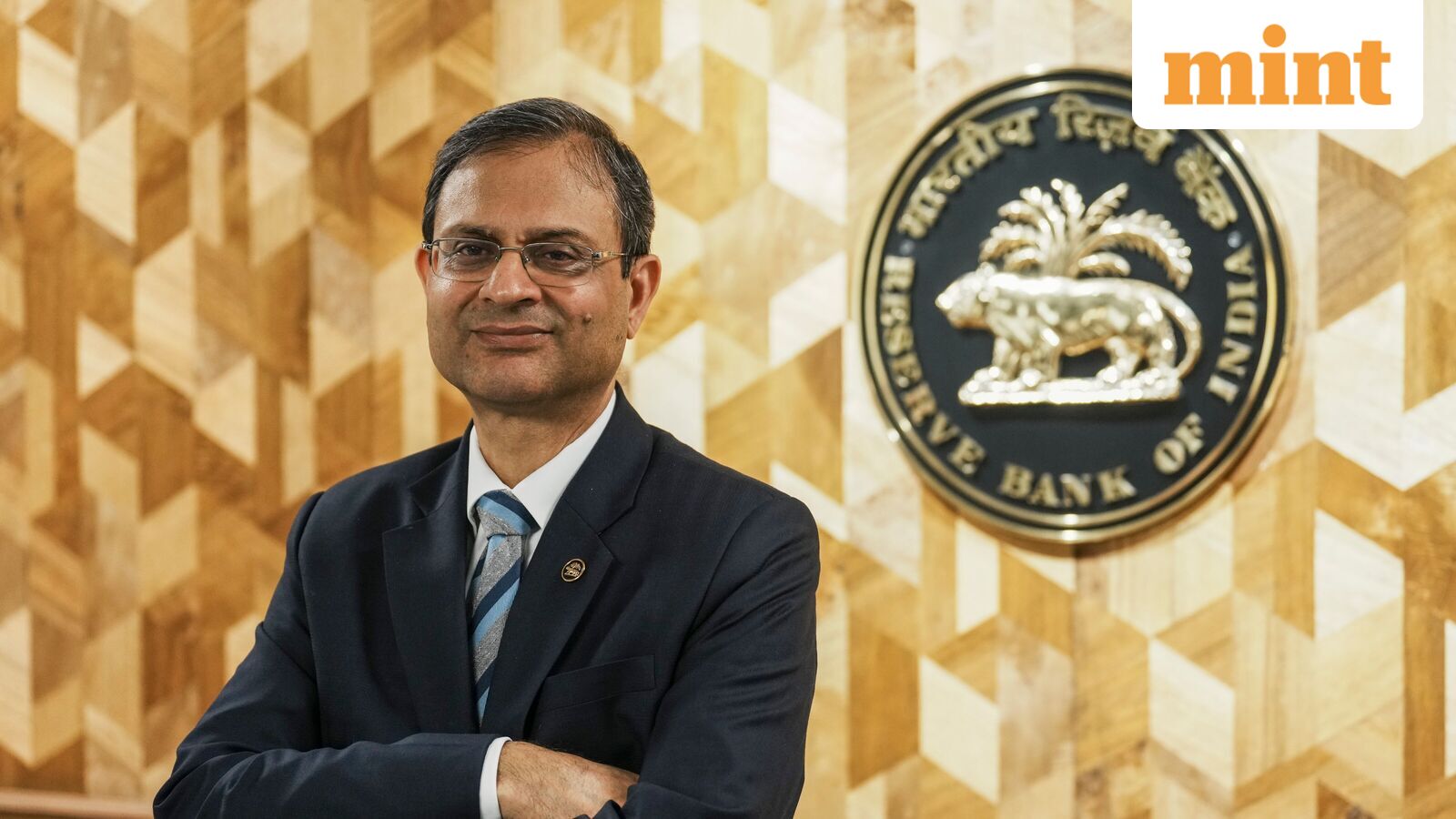
The Reserve Bank of India (RBI) has initiated a critical dialogue with the leadership of India’s burgeoning non-banking financial companies (NBFCs), housing finance companies (HFCs), and microfinance institutions (MFIs), underscoring a heightened focus on underwriting discipline and vigilant asset quality monitoring. This recent meeting, chaired by Governor Sanjay Malhotra and attended by key deputy governors and National Housing Bank officials, saw a significant representation from entities collectively managing over half of the NBFC sector’s total assets, signaling the central bank’s commitment to ensuring the stability and sustained growth of this pivotal segment of the financial system. The core message was clear: while NBFCs are vital arteries for credit flow, their rapid expansion must be underpinned by robust risk management frameworks.
NBFCs have emerged as indispensable conduits for financial inclusion and economic growth in India, often reaching segments underserved by traditional commercial banks. Over the past decade, the sector has witnessed phenomenal growth, with its asset base expanding significantly, often at a pace exceeding that of scheduled commercial banks. This dynamism has allowed for specialized lending across diverse segments – from retail consumer finance and vehicle loans to infrastructure project funding and micro-enterprises. However, this rapid growth, particularly in niche and often higher-risk areas, has invariably raised prudential concerns for the regulator, keen to balance innovation and inclusion with systemic stability.
A primary area of concern highlighted by the RBI Governor pertains to emerging pockets of stress, particularly within the retail and micro, small, and medium enterprise (MSME) loan portfolios. Retail lending, characterized by unsecured personal loans, consumer durable financing, and small-ticket vehicle loans, has been a significant driver of NBFC growth. While providing crucial liquidity to households, this segment is inherently sensitive to economic fluctuations, household income volatility, and employment trends. Similarly, MSME lending, though vital for job creation and economic diversification, carries elevated risks due to the often informal nature of businesses, limited access to formal credit histories, and susceptibility to supply chain disruptions and policy shifts. Analysts suggest that aggressive competition among lenders in these segments might lead to relaxed underwriting standards, making portfolios vulnerable.
The RBI’s proactive engagement reflects its mandate to maintain financial stability and protect consumer interests. This is not an isolated event; it builds upon a series of regulatory enhancements over recent years, including the implementation of the Scale-Based Regulation (SBR) framework for NBFCs, which categorizes these entities into progressive layers based on their size and systemic importance, subjecting larger NBFCs to bank-like prudential norms. Furthermore, the RBI has previously tightened norms for specific categories of unsecured lending and emphasized the importance of sound governance and ethical conduct, particularly in collection practices, underscoring a holistic approach to supervision.
Despite these concerns, the RBI’s latest Financial Stability Report (FSR) for December 2025 painted a broadly reassuring picture of the sector’s overall health. The report indicated that NBFCs maintained strong capital positions, showed continued improvement in asset quality, and demonstrated stable profitability. Stress test results, a critical component of the FSR, largely confirmed that the aggregate capital position of most NBFCs would comfortably withstand adverse economic shocks. However, the report also contained a crucial caveat: while the Gross Non-Performing Assets (GNPA) ratio for NBFCs had declined, there was an observable trend of "fresh accretions to NPAs" trending higher, accompanied by an increase in write-offs. This nuanced observation suggests that while overall legacy bad loans might be receding, new stress is building up, necessitating closer scrutiny to prevent future deterioration.

The emphasis on "sound underwriting standards" is fundamental to mitigating these risks. Effective underwriting involves a meticulous assessment of a borrower’s creditworthiness, repayment capacity, and the associated risks before extending credit. This includes rigorous due diligence, accurate income verification, comprehensive credit bureau checks, realistic collateral valuation, and appropriate loan-to-value ratios. Lax underwriting can manifest as insufficient scrutiny of borrower financials, over-reliance on aggressive growth targets, or inadequate pricing of risk, ultimately leading to higher default rates and stressed assets. For NBFCs operating in diverse and often niche markets, tailoring robust underwriting models to specific customer segments while maintaining consistency across the portfolio is a perpetual challenge.
Closely tied to underwriting is the imperative of "asset quality monitoring." This involves continuous surveillance of loan portfolios for early warning signals of distress, such as delayed payments, declining business performance for MSMEs, or adverse changes in borrower profiles. Proactive monitoring enables timely intervention, whether through restructuring, intensified collection efforts, or appropriate provisioning, thereby preventing small delinquencies from escalating into full-blown non-performing assets. The rise in fresh NPA accretions and write-offs, as highlighted by the FSR, underscores the need for NBFCs to strengthen their early detection mechanisms and adopt a forward-looking approach to provisioning, rather than solely reacting to established defaults.
The interconnectedness of the Indian financial system means that stress in the NBFC sector can have wider ramifications. Many NBFCs rely on bank funding, and co-lending arrangements between banks and NBFCs have become increasingly common, blurring the lines between traditional and shadow banking. A significant deterioration in NBFC asset quality could strain banks that have exposure to these entities, potentially creating a contagion effect. Moreover, NBFCs play a crucial role in economic transmission; any disruption to their ability to lend would impact consumption, investment, and job creation, particularly for the MSME sector, which forms the backbone of India’s economy.
Beyond financial metrics, the Governor’s remarks also stressed the importance of "customer centricity, ethical conduct, and responsible lending," coupled with "prompt grievance redressal." In a competitive landscape, the pursuit of growth can sometimes lead to practices that compromise consumer protection or ethical standards, particularly in digital lending or loan recovery. Ensuring fair practices, transparent terms, and efficient mechanisms for resolving customer complaints is not just a regulatory expectation but also vital for building trust and ensuring the long-term sustainability and reputation of the NBFC sector. Industry bodies and self-regulatory organizations (SROs) like Sa-Dhan, MFIN, and FIDC, whose representatives also attended the meeting, play a crucial role in fostering a culture of responsible lending and adherence to best practices among their members.
Looking ahead, the NBFC sector faces the dual challenge of sustaining its growth momentum while rigorously adhering to prudential norms. This requires a delicate balance between expanding financial outreach and managing associated risks. Industry participants are expected to internalize the RBI’s concerns, investing further in technology-driven risk assessment tools, enhancing data analytics capabilities for portfolio monitoring, and strengthening their governance frameworks. The continued dialogue between the regulator and the regulated entities is a positive step, fostering a collaborative environment aimed at navigating potential headwinds.
Ultimately, the RBI’s consistent emphasis on robust underwriting and vigilant asset quality management is a strategic imperative for India’s financial ecosystem. It aims to ensure that the NBFC sector, a dynamic and essential component of the economy, continues to grow on a foundation of resilience and prudence, thereby contributing reliably to the nation’s broader financial stability and inclusive development without accumulating undue systemic risks. The journey towards sustainable growth for NBFCs will depend significantly on their ability to integrate these prudential directives into their core operational strategies.