

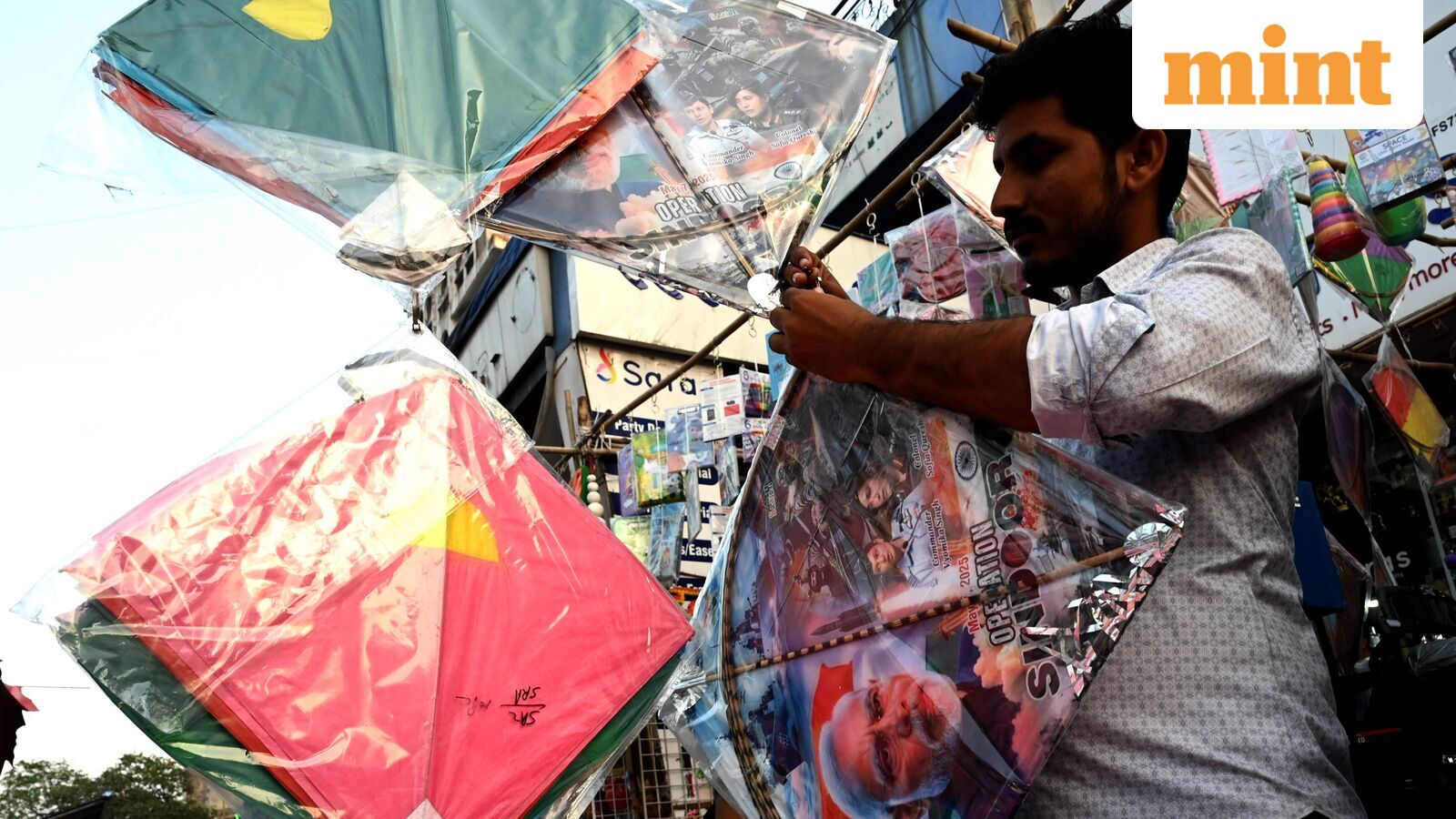
As the calendar turns to mid-January, a significant portion of India’s banking sector prepares for a series of regional closures, primarily influenced by the widely celebrated harvest festivals of Makar Sankranti, Pongal, and Magh Bihu. While January 14, 2026, marks the initial wave of these closures in several states, the holiday schedule extends across the month, presenting both cultural significance and operational considerations for businesses and individuals alike. These holidays, officially mandated by the Reserve Bank of India (RBI) under the Negotiable Instruments Act, underscore the nation’s diverse cultural tapestry, yet simultaneously highlight the ongoing evolution of its financial infrastructure towards digital resilience.
The cultural significance of Makar Sankranti, celebrated predominantly in North and West India, along with Pongal in the South and Magh Bihu in the Northeast, cannot be overstated. These festivals mark the sun’s transition into the zodiac sign of Capricorn, signifying the end of winter and the beginning of longer days, crucial for agricultural cycles. They are deeply rooted in agrarian traditions, celebrated with thanksgiving for bountiful harvests and hopes for future prosperity. For millions, these are days of family gatherings, traditional rituals, and community feasts. Consequently, regions where these festivals hold primary importance observe public holidays, extending to financial institutions. On January 14, states such as Gujarat, Odisha, Assam, and Arunachal Pradesh will see their public and private sector banks remain closed, reflecting the local observance of Makar Sankranti, Uttaarayan, or Magh Bihu.
However, the impact of these regional closures extends beyond a simple day off. For India’s vibrant economy, characterized by a large informal sector, micro, small, and medium enterprises (MSMEs), and a substantial rural population, physical bank branches remain a critical touchpoint for transactions, cash management, and credit access. While urban centers increasingly rely on digital banking, a significant segment of the population, particularly in semi-urban and rural areas, still depends on brick-and-mortar branches for their financial needs. A series of localized bank holidays, therefore, can lead to temporary disruptions in cash flow, delayed settlements for businesses, and inconvenience for individuals needing to perform over-the-counter transactions, deposit cheques, or access specific banking services that require human intervention.
The RBI’s holiday calendar is a meticulously planned schedule, categorizing holidays into three types: those under the Negotiable Instruments Act, those under the Negotiable Instruments Act and Real-Time Gross Settlement (RTGS) Holiday, and Bank’s Closing of Accounts. Most regional festivals fall under the first category, meaning while branches are closed, interbank transactions via RTGS might still operate, though customer-facing services are suspended. This nuanced approach aims to balance cultural observances with the imperative of maintaining core financial system functionality.
The holiday impact doesn’t conclude on January 14. The subsequent days bring further regional closures, demonstrating the staggered nature of India’s diverse celebrations. January 15, for instance, will see banks closed in Karnataka, Tamil Nadu, Sikkim, Andhra Pradesh, Maharashtra, and Telangana, primarily for festivals like Mattu Pongal or Kaanum Pongal, which are extensions of the Pongal festivities. The following day, January 16, is designated as Thiruvalluvar Day, a significant cultural observance in Tamil Nadu and Andhra Pradesh, leading to bank closures in these states. Tamil Nadu further observes a holiday on January 17 for Uzhavar Thirunal, another agrarian festival, reinforcing the region’s strong connection to agricultural cycles.
Moving further into the month, January 23 marks another set of regional closures in West Bengal and Odisha, commemorating Saraswati Puja – a celebration of the goddess of knowledge – and the birthday of Netaji Subhas Chandra Bose, a revered freedom fighter. These dual significances highlight how historical and religious observances intertwine to shape regional public holidays. Finally, January 26 brings a nationwide closure for Republic Day, a constitutional holiday observed across all states and Union Territories, celebrating the adoption of the Indian Constitution. This day, unlike the regional festivals, impacts the entire banking system simultaneously.

From an economic perspective, while individual regional holidays may have a localized and short-term impact, their cumulative effect across the month warrants attention. Industries heavily reliant on physical transactions, such as wholesale trade, certain segments of manufacturing, and logistics, may experience minor bottlenecks. MSMEs, often operating with tighter cash flows, might find temporary delays in receiving payments or processing payrolls inconvenient. However, the burgeoning digital payments ecosystem in India significantly mitigates these disruptions.
India has witnessed an unprecedented surge in digital transactions, largely driven by the Unified Payments Interface (UPI). According to data from the National Payments Corporation of India (NPCI), UPI transactions have consistently broken records, with billions of transactions processed monthly, totaling trillions of rupees. This robust digital infrastructure ensures that even when physical bank branches are closed, essential financial services like funds transfer (NEFT, IMPS, RTGS), bill payments, and cash withdrawals via ATMs remain fully functional 24/7. Customers can leverage internet banking, mobile banking applications, and UPI platforms to send and receive money, check balances, and conduct various transactions seamlessly, effectively decoupling banking services from physical branch presence.
This digital transformation has been a game-changer, especially for urban and digitally literate populations. However, the challenge remains in ensuring equitable access and literacy across all demographics, particularly in remote rural areas where internet penetration might be lower, or digital literacy lags. Financial inclusion initiatives by the government and RBI continue to focus on bridging this gap, ensuring that the benefits of digital banking are accessible to all, irrespective of geographical location or socioeconomic status.
Comparing India’s holiday structure to other major economies reveals distinct approaches. While many Western economies observe fewer national holidays, often concentrating them around specific cultural or religious events, India’s system reflects its unparalleled diversity, with regional holidays catering to a multitude of languages, religions, and traditions. This approach, while enriching culturally, necessitates a robust and adaptable financial system that can absorb localized shutdowns without broader economic paralysis.
Looking ahead, the trend suggests a continued reliance on digital channels for everyday banking. As India progresses towards a more cashless economy, the operational impact of physical bank holidays is likely to diminish further. However, the social and cultural significance of these festive closures will undoubtedly endure. Banks, therefore, face the dual challenge of maintaining efficient digital services while also planning for the logistical implications of staff availability and branch operations during these culturally important periods.
For customers, the advice remains clear: plan ahead. While ATMs, internet banking, mobile banking apps, and UPI services offer continuous access to funds and transaction capabilities, any specific need for branch-based services – such as large cash deposits, locker access, or complex financial advisory – should be scheduled with an awareness of the holiday calendar. The blend of deeply rooted cultural traditions and a rapidly modernizing financial landscape defines India’s approach to bank holidays, a system that continually adapts to serve both its diverse populace and its dynamic economy.