


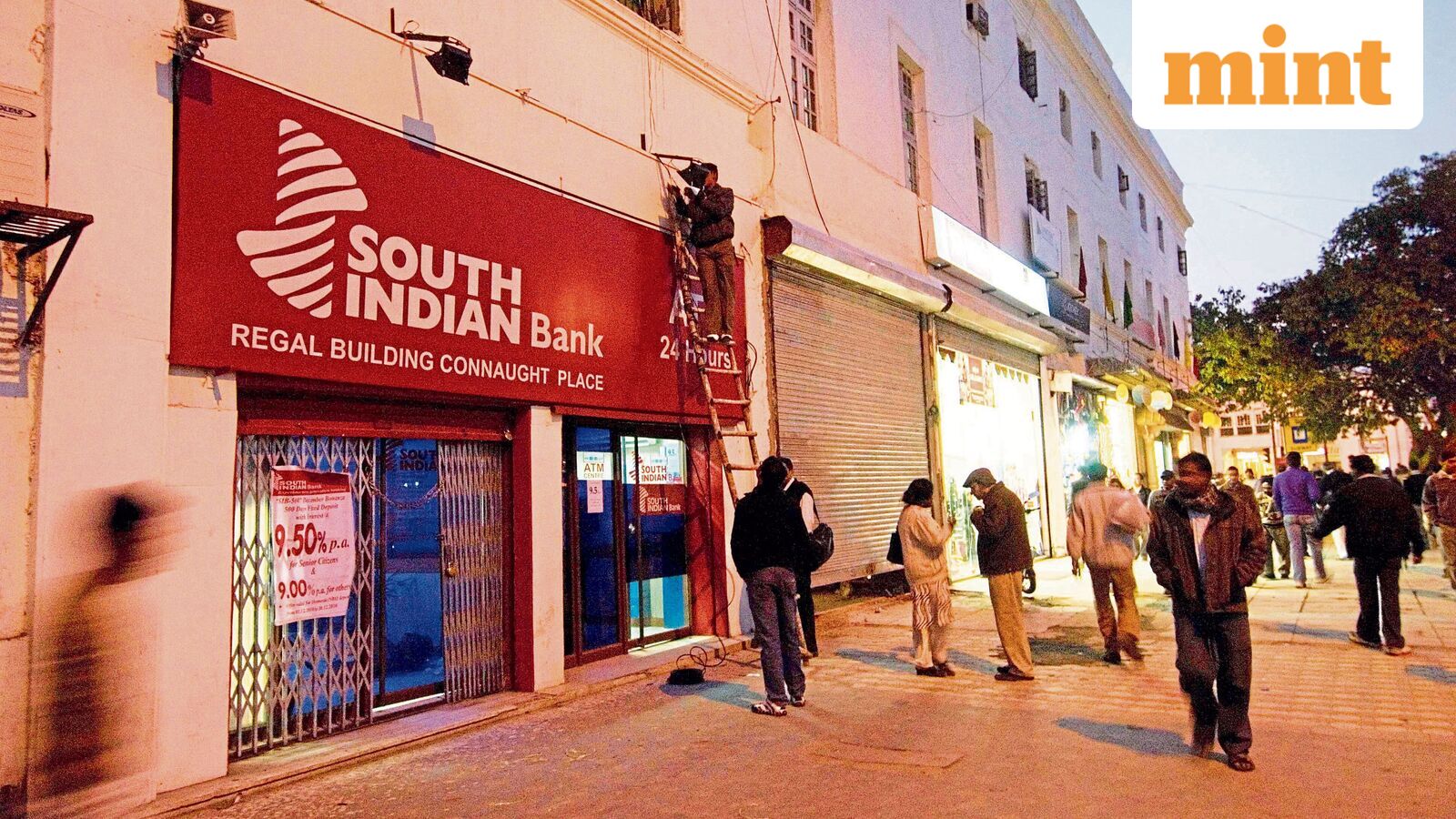
The Reserve Bank of India (RBI), as the nation’s central banking institution, has meticulously outlined the calendar for bank closures in February 2026, encompassing a total of nine days that will see public and private sector banks, including the State Bank of India, remain non-operational for conventional counter services. This schedule, rooted in the provisions of the Negotiable Instruments Act of 1881, reflects a delicate balance between observing significant cultural and regional festivities and maintaining the fluidity of the national financial system. While the total number of non-working days for banks appears substantial, it is crucial to dissect the composition of these holidays, which includes designated weekend closures alongside specific regional observances, highlighting the diverse fabric of India’s economic and social landscape.
February’s banking hiatuses are a mosaic of weekend breaks and regionally specific celebrations. Beyond the standard four Sundays, the second and fourth Saturdays of the month are mandated non-working days for all financial institutions across the country, a policy implemented to improve work-life balance for banking professionals while ensuring some level of weekend banking accessibility on the first, third, and fifth Saturdays. Interspersed with these universal closures are three key regional holidays: Losar, Shivaji Jayanti, and State Day for Manipur and Mizoram. Losar, the Tibetan New Year, is primarily observed in states with significant Buddhist populations, such as Sikkim, where it holds profound cultural and religious significance. Shivaji Jayanti commemorates the birth anniversary of Chhatrapati Shivaji Maharaj, a revered Maratha warrior king, and is a major public holiday in Maharashtra, a state pivotal to India’s financial and industrial output. Lastly, State Day in Manipur and Mizoram marks the anniversaries of these northeastern states’ formation, reflecting India’s federal structure where regional identities are honoured through local holidays.
The economic implications of these staggered holidays are multifaceted, touching various sectors from micro-enterprises to large corporations. While the universal adoption of digital payment platforms has significantly mitigated the disruption caused by physical bank closures, traditional banking services, particularly those involving cheque clearances, demand drafts, and large-scale cash transactions, are directly impacted. Businesses reliant on manual financial processes, especially small and medium-sized enterprises (SMEs) in Tier-2 and Tier-3 cities where digital adoption might still be evolving, could experience temporary liquidity constraints or delays in payments and receipts. For instance, a regional holiday in Maharashtra, an economic powerhouse contributing over 14% to India’s GDP, could theoretically slow down interstate trade settlements involving entities within the state, even if only for a day. Analysts often estimate that each national bank holiday can lead to a marginal dip in transaction volumes, though the exact quantifiable impact on GDP is challenging to isolate given the widespread availability of digital alternatives.
The modern banking landscape, however, is increasingly resilient to such traditional closures, largely due to India’s aggressive push towards digital transformation. The past decade has witnessed an exponential surge in the adoption of Unified Payments Interface (UPI), mobile banking, internet banking, and Automated Teller Machines (ATMs). As of late 2025, UPI transactions alone were routinely crossing multi-billion dollar values monthly, with volumes reaching several billions of transactions, dwarfing traditional payment methods. This digital infrastructure ensures that essential financial services – fund transfers, bill payments, balance inquiries, and cash withdrawals – remain accessible 24/7, irrespective of physical branch operations. This technological leap has positioned India as a global leader in real-time digital payments, offering a robust safety net against operational disruptions from public holidays. For international businesses operating in India, this digital prowess means that while local partners might observe regional holidays, the underlying financial plumbing continues to function, allowing for continuous transaction processing and minimal disruption to cross-border commerce.

Globally, the approach to bank holidays varies significantly, offering a comparative lens to India’s model. Countries like the United States have a relatively fixed number of national bank holidays, with fewer regional variations, while many European nations often integrate religious festivals into their public holiday calendars, leading to a similar mix of universal and localized closures. However, the sheer scale and diversity of India, with its 28 states and 8 union territories, necessitate a more granular approach, leading to a higher number of regional holidays. While some critics argue that frequent holidays can impede productivity and economic momentum, proponents emphasize their role in preserving cultural heritage and offering essential rest periods for the workforce. The World Bank often highlights that economies balancing productivity with social welfare tend to achieve more sustainable growth, suggesting that India’s model, particularly when buttressed by digital infrastructure, aims for such equilibrium.
The RBI’s role extends beyond merely listing holidays; it involves a continuous assessment of financial market functioning and payment system efficiency. Under the Negotiable Instruments Act, 1881, the central bank has the authority to declare specific days as holidays, impacting transactions involving instruments like cheques, bills of exchange, and promissory notes. During such periods, the clearing and settlement systems for these paper-based instruments are paused. This necessitates proactive planning from businesses and individuals to avoid payment delays. For example, a business expecting a cheque payment might need to account for an extra day or two for processing if a regional holiday falls within the settlement period. This regulatory framework, though historical, remains crucial for defining the operational boundaries of the banking sector and ensuring clarity for all stakeholders.
Looking ahead, the evolving nature of banking and finance suggests a future where the concept of a "bank holiday" might primarily refer to the closure of physical branches, with digital services remaining omnipresent. The emphasis will increasingly shift towards cybersecurity and the resilience of digital platforms to handle continuous operations, rather than the physical availability of banking staff. This transition also presents opportunities for the banking sector to re-evaluate staffing models and customer service strategies, potentially leveraging AI and automation to fill gaps during traditional holiday periods. Furthermore, as India aims for sustained economic growth of over 6-7% annually, optimizing the balance between cultural observance and economic efficiency through smart holiday scheduling and robust digital infrastructure will remain a key policy consideration for the RBI and the government.
In conclusion, the February 2026 bank holiday schedule in India, while seemingly intricate with its blend of national weekends and regional observances, underscores the nation’s commitment to cultural diversity within a rapidly digitizing economy. The widespread adoption of digital banking and payment systems has largely insulated the broader economy from significant disruptions, transforming what were once potential bottlenecks into manageable pauses. For businesses and individuals, understanding the specific regional nuances of these holidays and leveraging the omnipresent digital financial tools will be paramount for seamless financial operations. As India continues its journey towards becoming a cashless society, the impact of physical bank closures will diminish further, marking a significant evolution in the country’s financial landscape.