
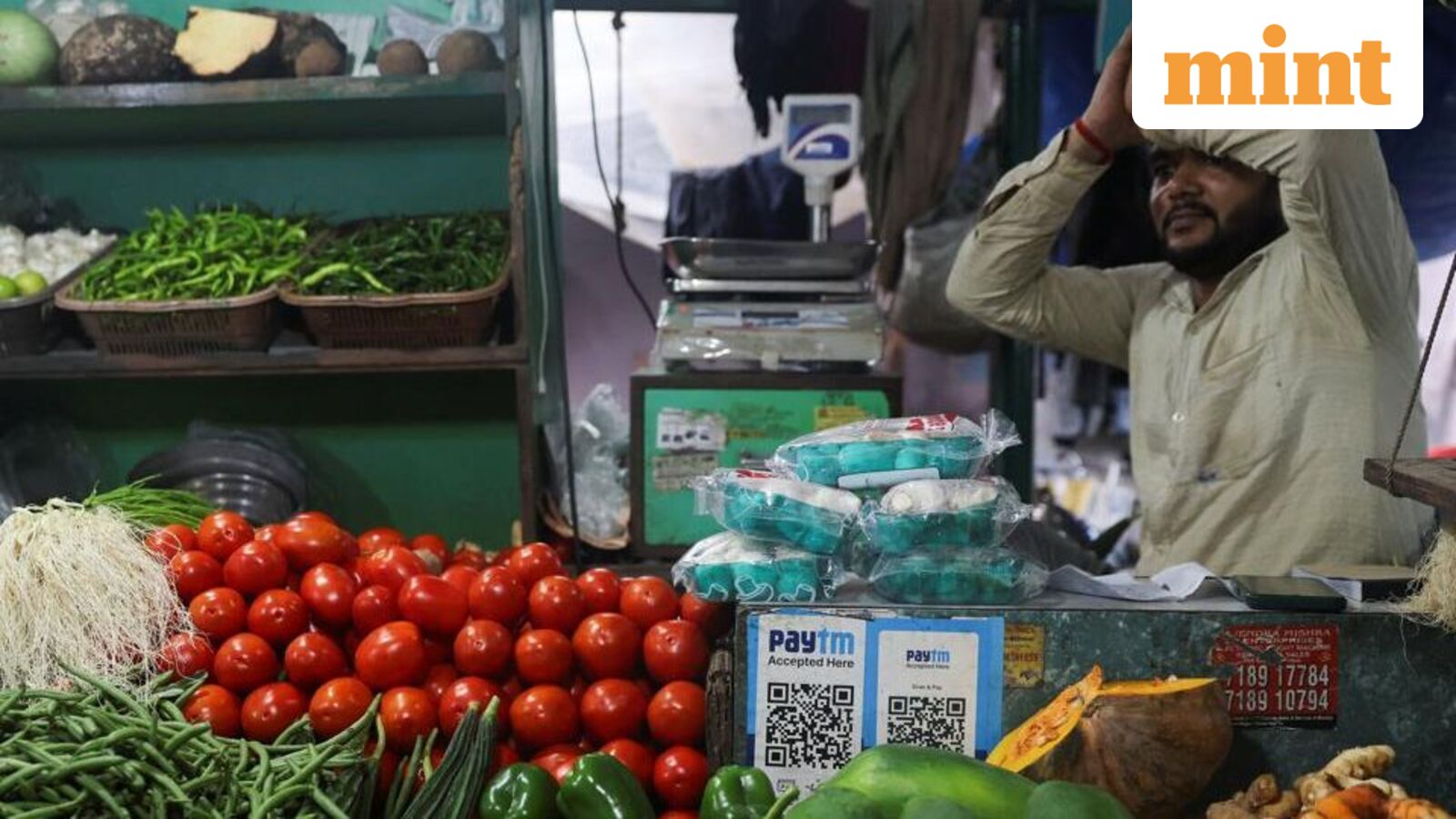
The Unified Payments Interface (UPI), India’s groundbreaking real-time digital payment system, concluded 2025 with an unprecedented surge, solidifying its position as a global exemplar in financial technology. Data released by the National Payments Corporation of India (NPCI) revealed a remarkable year, with the platform processing an astonishing 228 billion transactions over the twelve months, cumulatively valued at an estimated ₹300 trillion. This represented a substantial 33% increase in transaction volume and a 21% rise in value compared to the preceding year, 2024, underscoring a profound and sustained transformation in consumer financial behaviour across the subcontinent.
December 2025 alone served as a testament to UPI’s escalating adoption, marking new all-time monthly highs. During this single month, the platform facilitated a record 21.6 billion transactions, amounting to a staggering ₹30 trillion. This monthly performance translated into an average daily transaction count nearing 698 million and an average daily transaction value exceeding ₹90,217 crore, illustrating the sheer velocity and scale at which digital payments are now integrated into India’s daily economic fabric. Such robust growth figures are not merely statistical achievements but reflect a structural shift, where UPI has transitioned from an alternative payment method to the default choice for millions, spanning bustling metropolitan centres to India’s burgeoning smaller towns and rural hinterlands.
The meteoric rise of UPI is deeply intertwined with India’s broader digital public infrastructure strategy, often referred to as the ‘India Stack.’ Conceived as a public good, UPI’s interoperable, open-source architecture has democratized digital payments, making instant, secure, and free transactions accessible to a vast population. Its simplicity, requiring only a smartphone and a linked bank account, has been a key driver of financial inclusion, bringing millions into the formal economy who were previously reliant on cash. This unprecedented scale and speed of adoption contrast sharply with digital payment evolutions in many developed economies, where legacy systems and proprietary models often present barriers to widespread, frictionless interoperability. Experts frequently cite UPI as a significant catalyst for economic growth, reducing the costs associated with cash management, boosting the velocity of money, and providing micro, small, and medium enterprises (MSMEs) with efficient payment collection mechanisms.
The sustained increase in monthly transactions unequivocally signals a fundamental alteration in consumer habits. As Anand Kumar Bajaj, founder and managing director of payments platform PayNearby, articulated, UPI has firmly established itself as the "backbone of everyday commerce," seamlessly enabling payments from urban hubs to the remotest corners of ‘Bharat’ – a term often used to denote India’s smaller towns and villages. This pervasive reach has been bolstered by continuous innovation and strategic initiatives from NPCI, the entity responsible for operating retail payments and settlement systems in India. One such crucial step in late 2025 was the launch of a central mandate-management portal designed to strengthen UPI Autopay. This portal provides users with a consolidated view and management interface for all their recurring payment instructions, from subscriptions and utility bills to digital services. This move enhances transparency, empowers users with greater control over their financial commitments, and helps in identifying and mitigating "dark patterns" often employed by e-commerce platforms to nudge users into accepting recurring mandates. Such regulatory foresight and user-centric design are critical for building and maintaining trust in a rapidly evolving digital payment ecosystem.

Looking ahead to 2026 and beyond, the trajectory of UPI’s growth is anticipated to diversify and deepen. While initial expansion was largely driven by smartphone-native users in urban areas, the next phase promises a broader penetration into Tier-3 towns and rural segments. This expansion will be significantly aided by ongoing technological advancements and strategic initiatives. Innovations like biometric authentication, which leverages India’s vast Aadhaar identity system, promise to simplify transactions further, especially for populations with lower digital literacy or those uncomfortable with PIN-based systems. Similarly, the integration of vernacular conversational interfaces will make UPI more accessible and intuitive for non-English speaking users, breaking down language barriers that can impede digital adoption. A "trust-first onboarding" approach, emphasizing security and ease of use, will be paramount in winning over new users in these less digitally mature regions.
Beyond merely increasing the number of users, the evolution of UPI is expected to shift towards facilitating "more meaningful, higher value transactions." While UPI has been overwhelmingly popular for small-value transactions – often replacing cash for daily purchases like groceries or transport – market participants foresee a future where it handles larger payments, encompassing everything from rent and utility bills to business-to-business (B2B) settlements. This upward migration in average ticket size will be driven by deeper adoption, an even wider acceptance of QR codes by merchants across all scales, and a continually rising consumer confidence in the platform’s security and reliability.
However, as the platform matures and its base expands, the sheer pace of growth, particularly in volume, may naturally temper. This suggests that the future impetus for growth will not solely stem from new user acquisition but increasingly from shifting customer behaviors, the emergence of personalized payment patterns, and a significant rise in cross-border payment functionalities. Akash Sinha, CEO and co-founder of Cashfree Payments, aptly predicted that "2026 will be the year payments move from being fast to being intelligent." He envisions growth being propelled by "new payment behaviours" such as conversational and agentic payments, where artificial intelligence (AI) plays a pivotal role.
The integration of AI is poised to move from a background utility to a core component of the payment experience. This means AI will simplify checkout journeys by transforming complex processes into intent-led confirmations, invisibly managing the underlying intricacies. Biometric authentication, beyond simple fingerprint scans, could evolve to incorporate facial recognition or even voice biometrics, further enhancing security and convenience. Furthermore, intelligent cross-border flows, powered by AI, could understand user intent, optimize currency conversions, and navigate regulatory complexities seamlessly, revolutionizing international remittances and trade payments. India has already begun pilot programs for cross-border UPI payments with countries like Singapore and the UAE, signaling a clear strategic direction to leverage UPI’s success on a global stage. This expansion into international markets could significantly reduce transaction costs for remittances, a vital lifeline for many Indian families, and streamline cross-border commerce for businesses.
The overarching vision for UPI in the coming years extends beyond mere transaction processing; it aims to embed digital payments deeply within the fabric of society, making them intuitive, invisible, and intelligent. This ambition positions India at the forefront of the global digital payments revolution, offering a scalable, interoperable, and inclusive model that other nations are increasingly looking to emulate. As UPI continues to innovate, expand its reach, and integrate advanced technologies like AI and biometrics, its role as a fundamental driver of India’s digital economy and a global benchmark for payment systems will only grow stronger, heralding an era of truly intelligent and frictionless commerce.