
As the global financial calendar marks another week, the intricacies of India’s banking system, particularly its unique holiday schedule, come into sharp focus, often dictating the pace of commerce and individual financial planning. For many, January 10th, a designated Second Saturday, serves as a timely reminder of the Reserve Bank of India’s (RBI) structured approach to non-working days for financial institutions, a framework that extends beyond national festivities to encompass specific weekly closures and state-mandated observances. This system, deeply embedded in India’s financial infrastructure, necessitates a proactive understanding from both consumers and businesses to ensure seamless transactional flow and economic continuity.
The RBI, as the nation’s central bank and primary regulator of the banking sector, publishes an annual holiday calendar that outlines days when commercial banks remain closed. This comprehensive list includes public holidays declared under the Negotiable Instruments Act, 1881, which typically cover national festivals like Republic Day, Independence Day, and Gandhi Jayanti, alongside religious and cultural observances specific to various states. Crucially, the calendar also designates the second and fourth Saturdays of every month, in addition to all Sundays, as non-working days for most banking operations. This practice, initiated to enhance employee welfare and align with certain global trends, has profound implications for a nation heavily reliant on its expansive banking network. While the first and third Saturdays generally see banks operating, this pattern demands careful attention from customers planning branch visits or specific financial tasks that require human intervention or physical document processing.
The economic ramifications of these scheduled closures are multifaceted. On a micro-level, individuals and small and medium-sized enterprises (SMEs) often face inconveniences, particularly those reliant on cash transactions or requiring immediate access to branch-specific services such as locker access, demand draft issuance, or physical cheque deposits. For businesses, especially those in sectors with high cash flow or tight liquidity cycles, an unplanned bank holiday can disrupt supply chain payments, payroll processing, or urgent vendor settlements. While digital banking has significantly mitigated some of these challenges, certain complex transactions or those involving large sums and regulatory compliance still occasionally necessitate physical interaction or specific processing windows tied to bank working days.
Globally, the approach to banking holidays varies considerably. Many developed economies observe fewer fixed weekly closures, often limiting non-working days to national public holidays. For instance, in countries like the United States or the United Kingdom, banks typically operate five days a week, with weekend closures being standard. The unique Indian model, with its fixed Saturday closures, reflects a blend of historical labor practices, regulatory considerations, and the diverse cultural fabric of the subcontinent, where state-specific festivals necessitate regional closures. This distinction highlights the adaptive strategies required by international businesses and investors operating within the Indian market, demanding a thorough understanding of the local financial calendar to optimize operational efficiency and cross-border transactions.

The proliferation of digital banking services has, without doubt, revolutionized how customers interact with the financial system, significantly cushioning the impact of physical branch closures. The advent of technologies like the Unified Payments Interface (UPI), Immediate Payment Service (IMPS), National Electronic Funds Transfer (NEFT), and Real-Time Gross Settlement (RTGS) has transformed India into a leader in digital payments. UPI, in particular, has seen exponential growth, processing billions of transactions monthly, allowing for instant person-to-person and person-to-merchant payments round the clock, irrespective of bank holidays. Similarly, IMPS offers 24/7 interbank electronic fund transfers, while NEFT and RTGS, though traditionally bound by specific operating hours, have also expanded their availability to 24×7. Internet banking and mobile banking applications provide a vast array of services, from bill payments and fund transfers to fixed deposit creation and investment management, all accessible from any location at any time. This digital evolution has empowered consumers and businesses to bypass the limitations of brick-and-mortar banking, maintaining transactional fluidity even on designated non-working days.
Despite the digital leap, the broader economic landscape remains susceptible to various influences, as evidenced by recent market movements. The Indian stock market, often a bellwether of economic sentiment, experienced a notable downturn in early January. Frontline indices like the Sensex and Nifty 50 recorded significant drops, extending losses over multiple sessions. The Sensex, representing a basket of 30 large-cap stocks listed on the BSE, saw a decline of nearly 800 points, or 1%, to an intraday low of 83,402. Concurrently, the Nifty 50, comprising 50 major stocks across various sectors listed on the National Stock Exchange, registered a similar 1% drop, hitting an intraday low of 25,623. This bearish trend, marking the fifth consecutive session of losses, underscored growing investor apprehension.
Analysts attributed this period of market volatility to a confluence of factors. Persisting concerns over foreign capital outflow played a significant role, as international institutional investors (FIIs) frequently adjust their positions based on global and domestic economic indicators, leading to capital flight from emerging markets like India during periods of uncertainty. Geopolitical tensions, always a driver of market sentiment, also contributed to caution. Any escalation in global conflicts or diplomatic disputes can trigger risk aversion, prompting investors to divest from equities and seek safer assets. Furthermore, anticipation ahead of the third-quarter earnings season introduced an element of speculative trading. Companies’ financial performance reports can significantly sway investor confidence, and any signs of slowdown or missed projections can lead to broad market corrections.
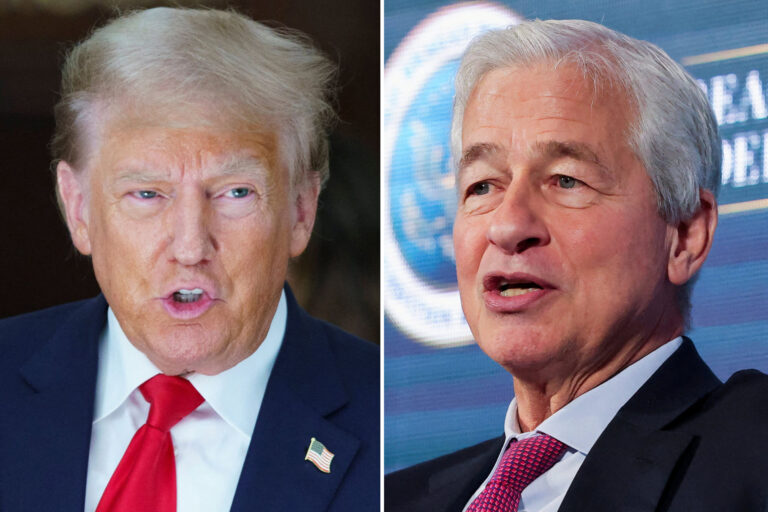
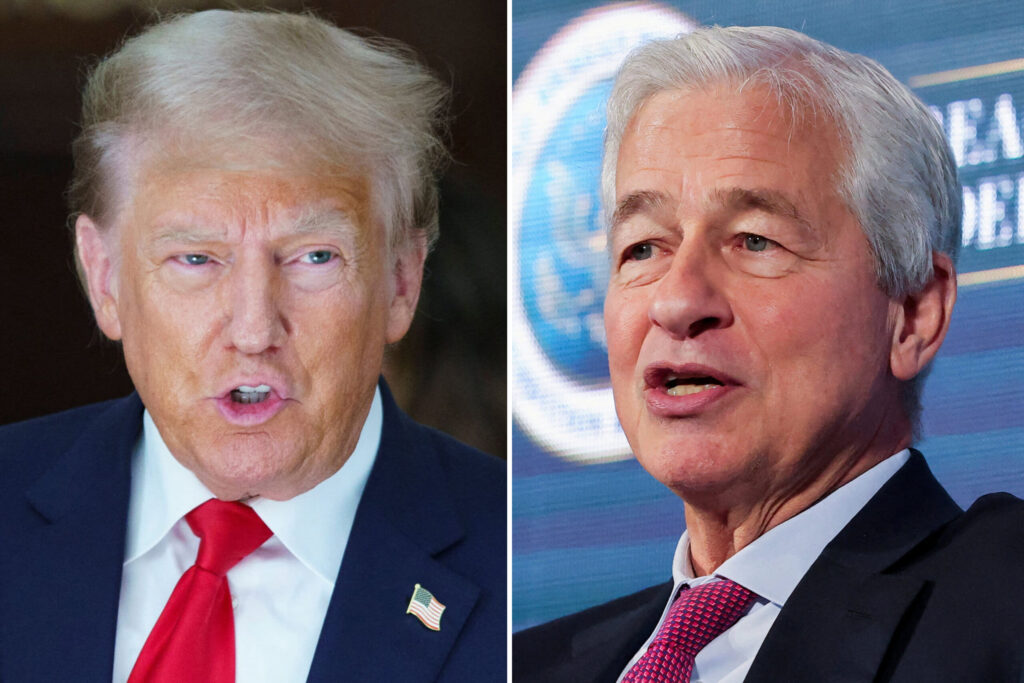
Beyond these immediate triggers, a more substantial undercurrent of global trade concerns weighed heavily on investor sentiment. The downward trend in the Indian stock market was notably exacerbated by growing worries over fresh tariffs. Specifically, the US Supreme Court’s impending decision on the legality of "Liberation Day" tariffs, initially imposed by former President Donald Trump, created considerable uncertainty. These sweeping global tariffs, challenging established international trade norms, have the potential to disrupt supply chains, increase import costs, and trigger retaliatory measures from other nations, thereby impacting global economic growth. The scheduled hearing for this case on January 14th injected an additional layer of apprehension, prompting investors to become wary of riskier equities. Over the preceding five sessions, the Sensex had already shed approximately 2,186 points (2.5%), with the Nifty 50 mirroring this 2.5% decline, illustrating a pronounced shift towards a risk-off strategy among market participants.
In conclusion, while India’s banking holiday calendar, with its distinctive Saturday closures and state-specific observances, requires careful navigation, the nation’s rapid strides in digital financial services have significantly mitigated potential disruptions. The ongoing evolution of payment systems ensures that critical financial operations can largely continue unhindered, even when physical bank branches are closed. However, the broader economic environment, influenced by global capital flows, geopolitical stability, and international trade policy shifts, continues to shape market dynamics. For stakeholders operating within this vibrant and complex economy, a nuanced understanding of both the domestic banking framework and the interconnected global financial currents remains paramount for strategic planning and sustained growth.