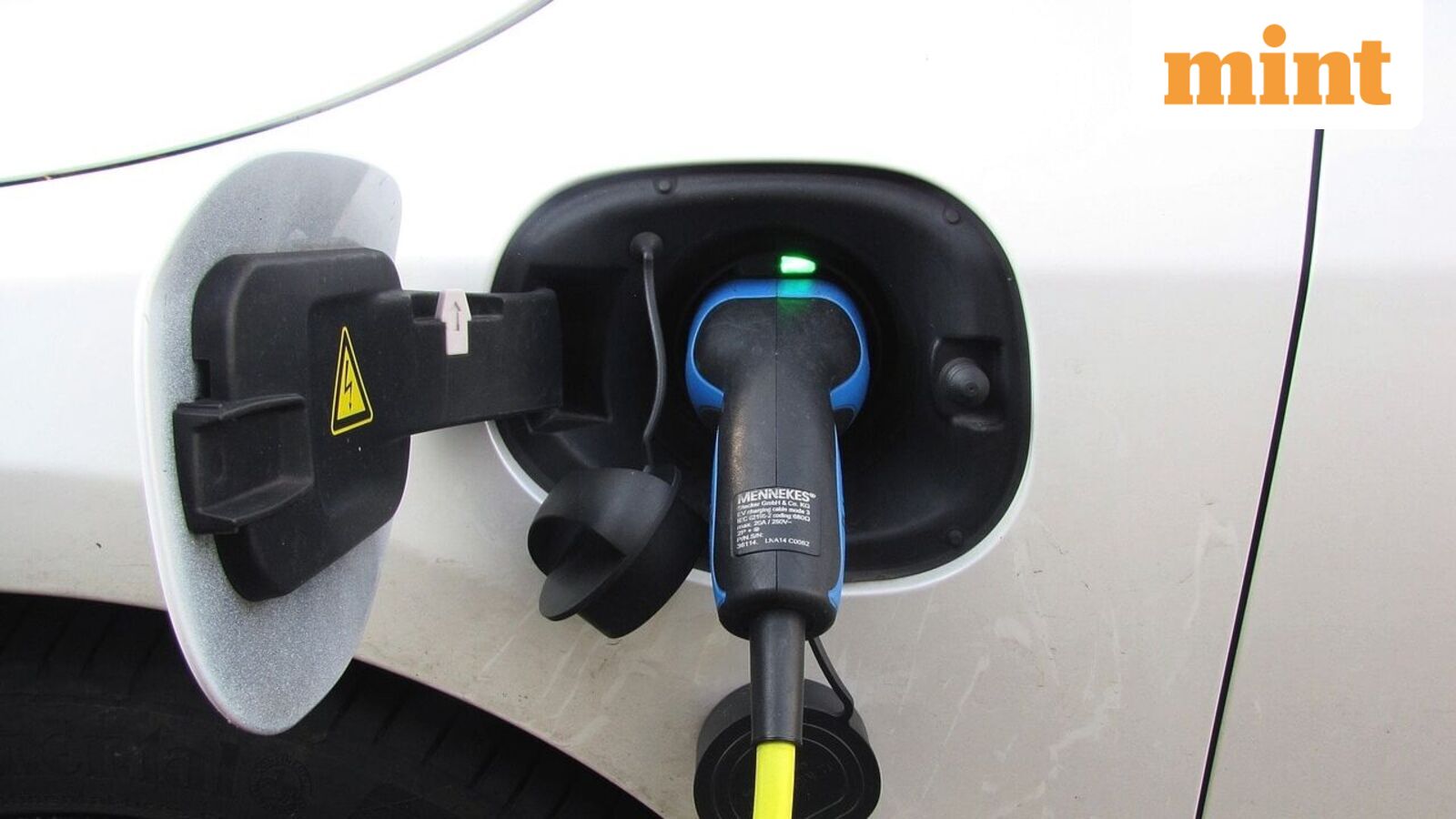
The trajectory of India’s automotive sector towards electrification is confronting a crucial juncture, as leading domestic manufacturers, JSW Motors and Mahindra & Mahindra (M&M), signal their readiness to embrace Range-Extended Electric Vehicles (REEVs) – a technology poised between conventional internal combustion engines (ICE) and pure battery electric vehicles (BEVs) – provided the policy framework expands beyond its current singular focus on BEVs. This conditional openness reflects a growing global sentiment among automakers to adopt a multi-powertrain strategy, acknowledging the complexities of a rapid transition to full electrification, particularly in diverse and developing markets. The debate surrounding REEVs, also known as REX (range extender) hybrids, highlights a broader discussion on the most pragmatic pathway to decarbonize road transport while addressing consumer anxieties and infrastructure limitations.
Currently, the Indian market forgoes the manufacture or sale of REEVs, with strong hybrid vehicles offered predominantly by Japanese manufacturers such as Toyota Kirloskar Motor, Maruti Suzuki India, and Honda Cars India. The fundamental distinction lies in their operational philosophy: REEVs are primarily driven by an electric motor, with a small ICE engine acting solely as a generator to recharge the battery when its charge depletes, thus extending range without direct mechanical drive. In contrast, strong hybrids feature both an electric motor and a powerful ICE engine that can independently or collaboratively propel the vehicle. The impetus for reconsidering REEVs gained significant traction following a November proposal from the Associated Chambers of Commerce and Industry of India (Assocham), a prominent industry lobby, advocating for a 5% Goods and Services Tax (GST) rate for REEVs, aligning them with BEVs rather than the 40% levied on strong hybrids. This policy advocacy was further bolstered by American automotive giant Ford Motor Co.’s December announcement of a strategic pivot towards hybrid technologies, including REEVs, signaling a potential shift in global industry priorities.
Leading Indian automakers are carefully observing these developments. Nalinikanth Gollagunta, CEO of the automotive division at M&M, articulated the company’s current focus on BEVs due to the prevailing regulatory landscape, yet he acknowledged REEVs as a viable "optionality." He described BEVs and ICE vehicles as diametrically opposed, with hybrids representing an upgrade from ICE and REEVs a slight "downgrade" from BEVs, indicating a flexible approach should policy incentives broaden. JSW Motors, an emerging player slated to launch its first vehicle in the October-December quarter of 2026, echoed this sentiment. Its CEO, Ranjan Nayak, emphasized the role of such transitional technologies in facilitating consumer adoption of electrification by alleviating "range limitations." Nayak pointed to China’s experience, where consistent incentives, green number plates, and inclusion in the new energy vehicle policy framework propelled plug-in hybrid electric vehicles (PHEVs) and REEVs to form the bedrock of its electric vehicle revolution. He underscored that ambiguous GST classification for REEVs could undermine affordability, pushing them into higher tax brackets despite their electric-driven nature.
This cautious embrace of REEVs by Indian manufacturers resonates with a broader global recalibration in the automotive industry. Ford’s decision to write off $19.5 billion in EV investments and commit to a multipowertrain approach underscores a recognition that the transition to pure BEVs faces significant headwinds. The company announced plans for its Universal EV Platform to underpin a range of hybrids, targeting a composition where hybrids, extended-range EVs, and BEVs will constitute approximately 50% of its global volume by 2030, a substantial leap from the current 17%. This strategic shift by a major global player highlights the increasing pragmatism in addressing the diverse demands of global markets, where factors such as charging infrastructure availability, electricity grid stability, and consumer purchasing power vary significantly.

The viability of incentivizing REEV technology in India, however, remains a subject of intense debate among experts and policymakers. While proponents argue that REEVs offer a practical bridge to full electrification, providing the environmental benefits of electric drive for daily commutes while mitigating range anxiety for longer journeys through their on-board generator, critics raise concerns about their long-term environmental efficacy. Amit Bhatt, Managing Director at the International Council on Clean Transportation (ICCT), acknowledges the theoretical absence of tailpipe emissions during electric operation but points out the continued reliance on a gasoline-powered ICE engine for electricity generation. This means REEVs still contribute to overall emissions, albeit potentially less than conventional ICE vehicles, differing fundamentally from BEVs which run purely on electrical power. Bhatt questions whether significant time and resources should be directed towards a technology deemed "transitional" if the ultimate goal remains pure electrification.
From an economic perspective, the Assocham proposal to levy a 5% GST on REEVs, mirroring BEVs, is critical. Currently, strong hybrid vehicles face a 40% GST, significantly impacting their retail price. A lower tax rate for REEVs would make them more competitive, potentially spurring local manufacturing and job creation within the automotive supply chain. The proposed inclusion of REEVs under the "super credit" regime of the Corporate Average Fuel Economy (CAFE III) norms, where one REEV is counted as three cars, further incentivizes their adoption by manufacturers aiming to meet stringent fuel efficiency targets. However, the economic impact of diverting investments from pure EV infrastructure and manufacturing towards a transitional technology needs careful consideration, particularly in a market aiming for rapid decarbonization.
Consumer preferences further complicate the picture. The 2025 Global Automotive Consumer Study by consulting firm Deloitte revealed a nuanced trend: while pure BEV preference saw a slight decline from 10% in 2024 to 8% in 2025, the share of consumers opting for hybrid EVs and PHEVs collectively surged to 33%. This suggests a significant segment of the market remains hesitant about pure BEVs, often due to concerns about charging infrastructure availability, charging times, battery longevity, and initial purchase cost. In India, despite a 76% surge in EV sales to 178,000 units in 2025, BEVs still constitute only approximately 4% of the passenger vehicle market. Tata Motors, JSW MG Motor, and M&M lead this nascent segment. The robust growth of traditional ICE and strong hybrid segments indicates that the broader market is still in a phase of cautious experimentation, seeking practical and affordable solutions that blend familiarity with environmental consciousness.
The policy implications of India embracing REEVs are profound. A clear and consistent GST classification is paramount to provide manufacturers with the regulatory certainty needed for investment. A lower tax slab could stimulate domestic production, foster a specialized component ecosystem for smaller ICE generators and electric powertrains, and potentially reduce reliance on imported fossil fuels in the long run, even if partially. However, it also demands a robust framework to ensure that REEVs are indeed utilized in their most efficient electric-driven mode, preventing them from becoming glorified ICE vehicles. The challenge lies in striking a delicate balance: fostering incremental decarbonization through accessible technologies like REEVs, while maintaining a clear and unwavering commitment to the ultimate goal of zero-emission mobility. India’s strategic choices in this domain will not only shape its own automotive landscape but also offer a compelling case study for other developing nations navigating their unique paths towards sustainable transport.