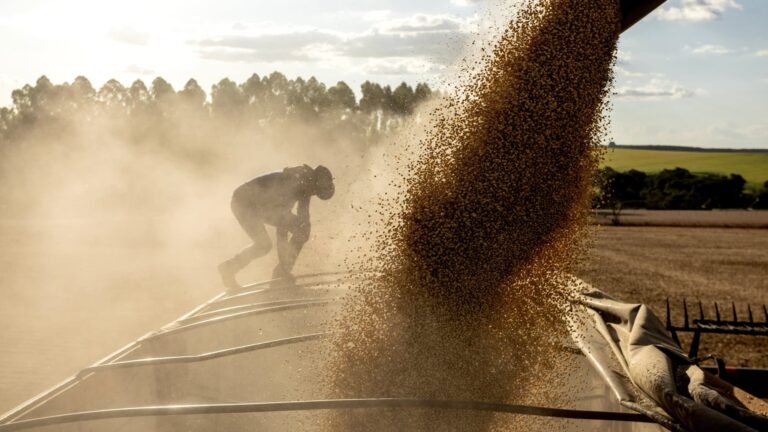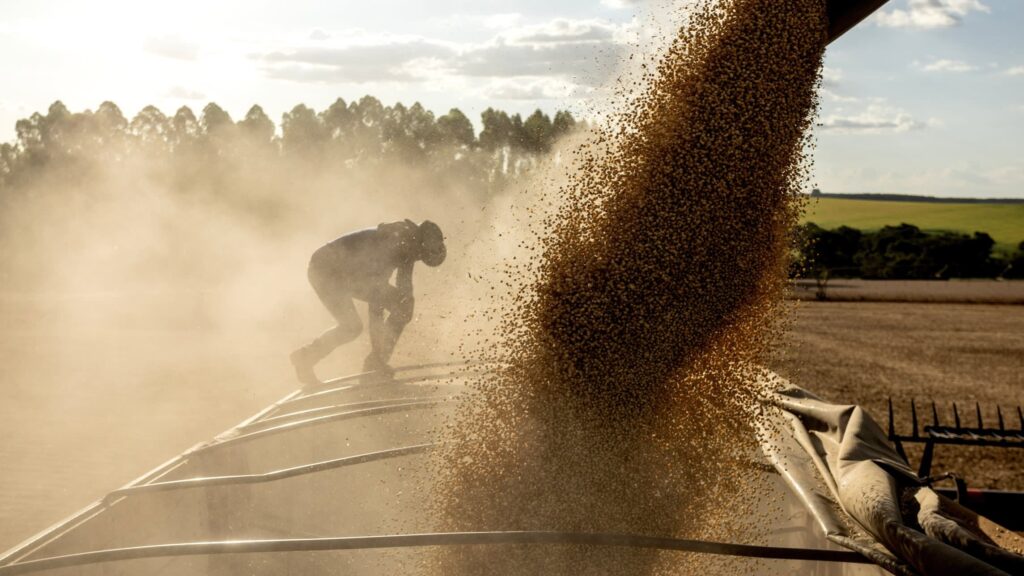


On the dawn of 2026, India embarked on a pivotal agricultural transformation, officially releasing 185 novel high-yielding seed varieties and hybrids spanning a diverse array of crops. This ambitious initiative, announced on the first day of the new year, is meticulously designed to elevate national agricultural productivity, bolster food security, and reduce reliance on critical imports by expanding farmer access to superior genetic material. The comprehensive roster of newly approved planting material—encompassing seeds, saplings, and nursery plants—significantly broadens the legal framework for production and sale across the nation’s varied agro-climatic zones, signaling a renewed governmental thrust towards scientific advancement in farming.
The strategic imperative behind this extensive release is multifaceted, reflecting India’s enduring challenge of feeding its burgeoning population while navigating the complexities of climate change, volatile global markets, and the imperative to enhance farmer incomes. Agricultural experts underscore the critical need for sustained productivity gains to insulate India from future food demand pressures and external supply shocks. As Bimal Kothari, chairman of the India Pulses and Grains Association (IPGA), articulated, "Increasing productivity is paramount if India is to meet future food demand without heavy reliance on imports. Superior seeds, underpinned by robust research, are instrumental in boosting yields, stabilizing supplies, and fortifying farmers against the dual threats of climate and market volatility." This initiative is therefore not merely about increasing output but about building resilience and fostering a more self-reliant agricultural ecosystem.
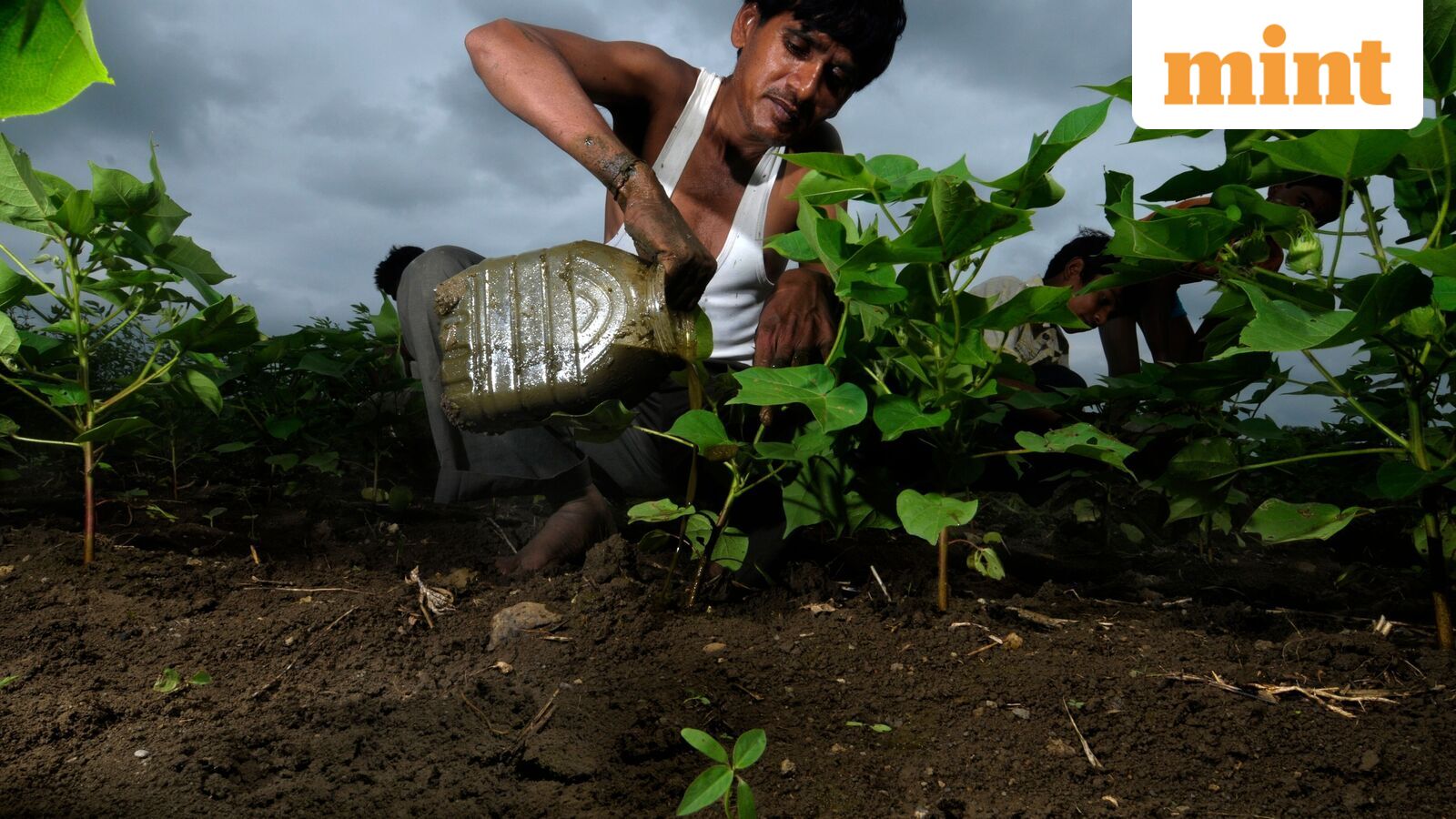
Among the 185 varieties, cotton seeds form a substantial component, with approximately two dozen new hybrids and varieties sanctioned for cultivation across key cotton-producing states, including Telangana, Andhra Pradesh, Maharashtra, Gujarat, Madhya Pradesh, Karnataka, Punjab, and Haryana. This focused attention on cotton comes at a critical juncture for India, the world’s second-largest producer of the fiber after China. In recent years, Indian cotton production has faced headwinds, including pest infestations, escalating input costs, and stagnant yields, which have threatened its position as a global textile sourcing hub. The introduction of these new hybrid seeds is a concerted effort to reverse this trend, aiming to invigorate domestic production and reinforce India’s competitive edge in the international textile market.
Crucially, all the newly released cotton varieties remain within the ambit of Bt-II hybrids, maintaining policy continuity without introducing any novel biotech traits, such as herbicide tolerance (HT). This steadfast position reflects the government’s cautious approach to genetically modified crops beyond the established Bt technology, amidst ongoing debates regarding weed resistance, potential environmental impacts, and regulatory compliance. While countries like the United States and Brazil have widely adopted HT cotton, India’s decision underscores a preference for domestically developed, non-HT genetic improvements focused on yield stability and existing pest resistance mechanisms. Ganesh Nanote, a cotton farmer from Maharashtra’s Vidarbha region, voiced the pragmatic farmer’s perspective: "Cotton farmers are already grappling with pest pressures, rising costs, and stagnant yields. If indigenously developed hybrid seeds can genuinely boost production and perform as effectively as genetically modified alternatives, it would be a welcome development. However, their ultimate test lies in their ability to effectively control pests and withstand disease pressure under actual field conditions."
The push for enhanced cotton productivity is also intrinsically linked to India’s "Kasturi Cotton" brand, a national initiative aimed at establishing a distinct identity for Indian cotton in global markets based on quality and sustainability. Binod Anand, a member of the Union agriculture ministry’s Minimum Support Price (MSP) committee, highlighted this connection: "Increasing cotton productivity is vital as India has launched its own brand, Kasturi Cotton. The decline in productivity, particularly in extra-long staple (ELS) cotton, currently necessitates reliance on imported cotton to meet the brand’s stringent quality and quantity requirements." According to USDA data for the 2024–25 marketing year, global cotton production stood at approximately 121 million bales (each weighing 480 pounds or about 218kg), with China leading at 32 million bales (27% of global output) and India contributing around 24 million bales (roughly 20%). Indian government data, using a 170kg bale standard, reported an output of 29 million bales, solidifying India’s rank as the second-largest producer globally. The new seed varieties are projected to increase cotton productivity by 20-30%, a significant leap that could drastically reduce import dependence and expand export avenues for Indian textiles.

Beyond cotton, the notification casts a wide net across other staple and nutritional crops. Rice, a cornerstone of Indian diets and a major export commodity, sees the largest numerical representation with around 60 new varieties and hybrids. The emphasis here is on high-yielding varieties, biofortification for enhanced nutritional value, and location-specific suitability to cater to diverse agro-climatic conditions across plains, hill regions, and tribal belts. This focus aligns with India’s food security objectives and its role as a leading global rice exporter.
Maize also received significant attention, with over 50 new hybrids, including biofortified, baby corn, and sweet corn varieties. Maize is crucial for India’s poultry and livestock industries, as well as a growing segment of food processing, making enhanced productivity vital for both feed security and diversified agricultural income. Millets and sorghum varieties have been specifically engineered for climate resilience and drought tolerance, dovetailing with India’s ‘nutri-cereal’ strategy and the global push for sustainable, climate-smart agriculture, exemplified by the International Year of Millets. These hardy grains are pivotal for food security in rain-fed and arid regions, offering a sustainable alternative to more water-intensive crops.
Pulses, though fewer in number compared to cereals and cotton, feature around a dozen new varieties, including black gram (urad), green gram (moong), chickpea, and groundnut-linked varieties. These are recommended for states like Tamil Nadu, Odisha, Andhra Pradesh, Karnataka, Bihar, and even the Andaman and Nicobar Islands. The inclusion of pulses is critical for addressing India’s persistent protein deficiency and reducing its substantial import bill for legumes. The focus on yield improvement and adaptability, particularly for rain-fed and region-specific cultivation, directly supports the national objective of achieving self-sufficiency in protein-rich crops. Similarly, oilseeds such as mustard, sesame, niger, and safflower, alongside sugarcane and jute, have been notified with an emphasis on local agro-climatic performance, aiming to curb India’s significant edible oil import dependency.
While the release of these varieties marks a monumental step, the actual benefits reaching farmers will take time. A senior government official noted that it typically takes approximately three years for newly notified varieties to be widely available to farmers. This timeline accounts for the crucial stages of seed multiplication: breeder seed, foundation seed, and certified seed production, which must precede large-scale commercial distribution. This phased approach underscores the importance of robust seed infrastructure, effective distribution networks, and proactive agricultural extension services to ensure successful adoption and realize the projected 20-30% productivity gains.
This seed innovation drive is not an isolated event but a continuum of broader governmental strategies. The Union Budget 2024-25 had previously announced the release of 109 new high-yielding and climate-resilient varieties across 32 field and horticulture crops, indicating a sustained commitment to agricultural research and development. India’s agricultural sector has demonstrated impressive resilience, achieving a record foodgrain output of approximately 353.96 million tonnes in 2024–25, including 149.07 million tonnes of rice and 117.51 million tonnes of wheat. Kharif crop estimates for 2025–26 further indicate strong performance, with total pulses production around 7.413 million tonnes and cotton at 29.215 million bales. These new seed varieties are expected to build upon this strong foundation, further enhancing crop resilience, diversifying agricultural output, and reinforcing India’s strategic position in global food and fiber markets. The long-term vision is clear: to transform Indian agriculture into a powerhouse of productivity, sustainability, and self-reliance, ensuring food and nutritional security for its population while also contributing significantly to global agricultural trade.