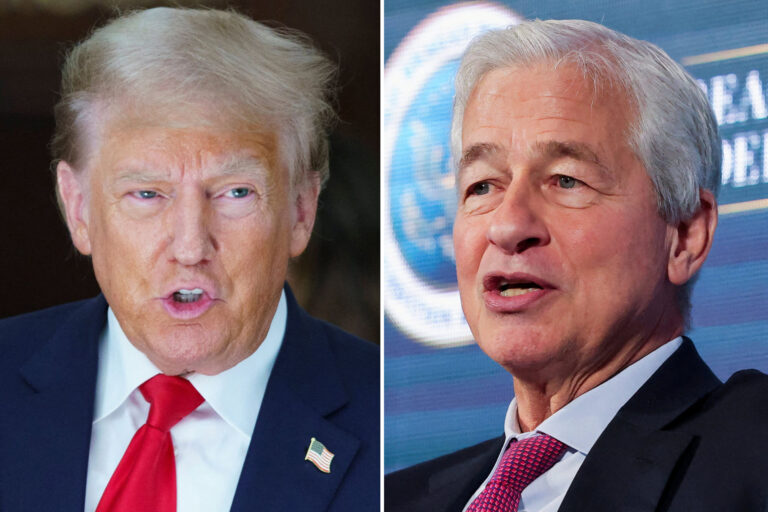
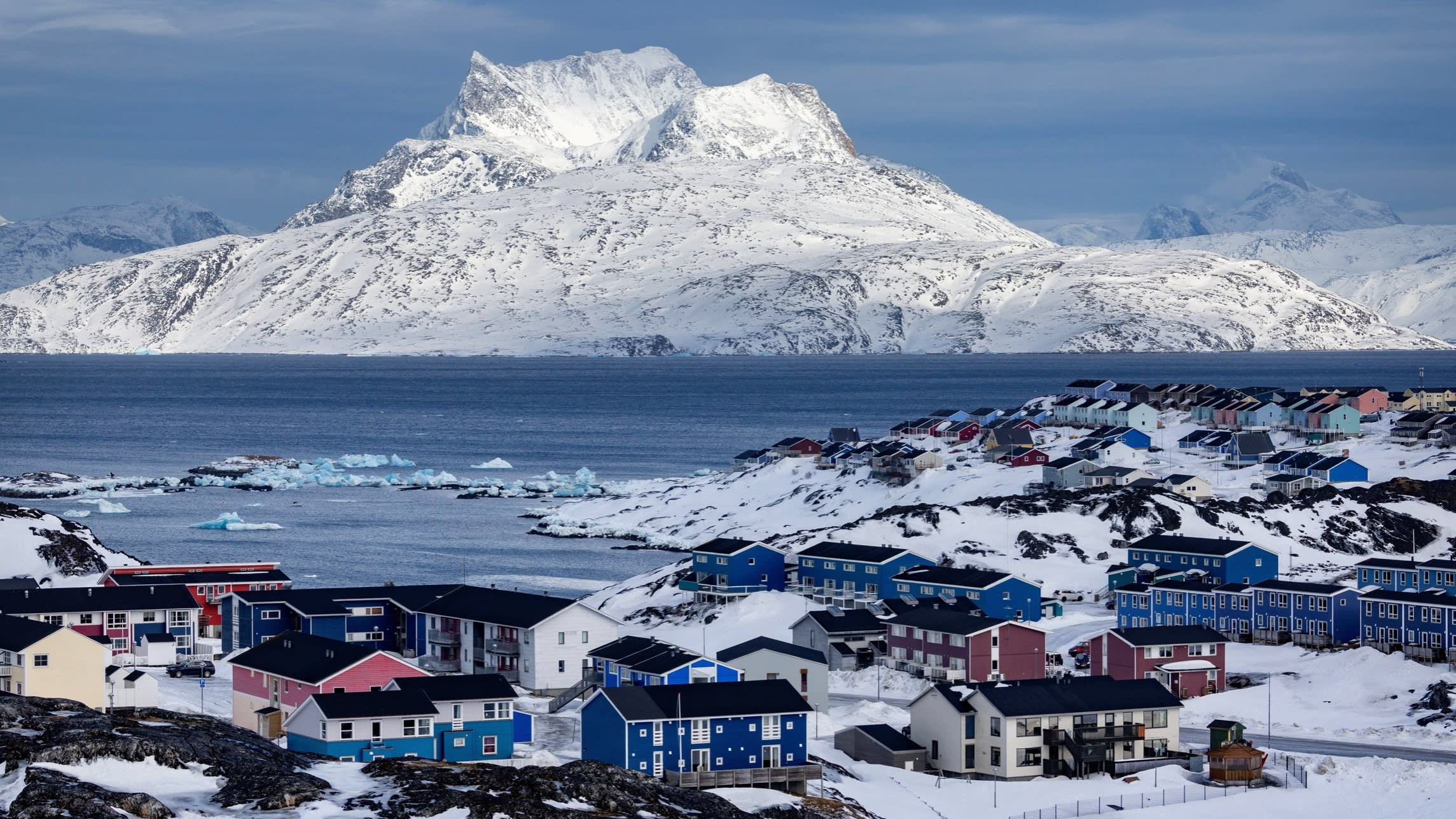
The Arctic Circle, long characterized by its isolation and the cooperative spirit of the Arctic Council, has increasingly become a focal point for Great Power competition, sparking a sharp rhetorical divide between Washington and the Nordic capitals. At the heart of this tension is a series of assertions made by former U.S. President Donald Trump regarding a pervasive and threatening presence of Chinese and Russian naval vessels in the waters immediately surrounding Greenland. These claims, which suggest a state of near-encirclement of the world’s largest island, have been met with a coordinated and firm rebuttal from officials in Copenhagen and Nuuk, who maintain that such descriptions do not align with the maritime intelligence gathered by regional authorities.
The disagreement underscores a broader shift in how the "High North" is perceived on the global stage. For decades, the region was governed by the mantra "High North, Low Tension." However, as polar ice continues to recede at an unprecedented rate due to climatic shifts, the opening of new shipping lanes and the accessibility of vast underwater mineral deposits have transformed the Arctic into a theater of strategic interest. The Nordic response to American rhetoric is not merely a correction of naval manifests; it is a defense of regional stability and a rejection of what many in Denmark and Greenland view as an alarmist narrative that could unnecessarily militarize a fragile ecosystem.
From a tactical perspective, the Danish Defense Intelligence Service and the Joint Arctic Command—the entities responsible for monitoring the vast maritime reaches of the Kingdom of Denmark—have consistently reported that while Russian military activity has increased in the broader Arctic region, it is largely concentrated around the Northern Sea Route and Russia’s own coastal bastions. Similarly, Chinese activity, while growing, has remained primarily focused on scientific research and commercial exploration rather than permanent naval deployments near Greenlandic shores. Nordic officials argue that the "surrounding" of Greenland by hostile fleets is a geopolitical exaggeration that ignores the sophisticated surveillance networks, including the Integrated Sonar System and satellite monitoring, which currently track every significant hull moving through the Greenland-Iceland-UK (GIUK) gap.
The strategic importance of Greenland to the United States cannot be overstated, a fact that became a matter of global headlines in 2019 when the Trump administration floated the idea of purchasing the island from Denmark. While the proposal was dismissed as "absurd" by the Danish Prime Minister, the underlying logic was rooted in traditional realist geopolitics. Greenland sits at a critical juncture for North American defense. The Pituffik Space Base (formerly Thule Air Base) serves as a vital link in the U.S. global early warning system, designed to detect incoming intercontinental ballistic missiles. Any genuine encroachment by Russian or Chinese assets in these waters would represent a direct threat to the continental security of the United States.
However, the Nordic rejection of the "encirclement" narrative points to a more nuanced reality regarding China’s "Near-Arctic State" ambitions. Beijing’s 2018 Arctic White Paper outlined a vision for a "Polar Silk Road," emphasizing infrastructure investment and resource extraction. China has made several attempts to embed itself in Greenland’s economy, including bids to construct international airports in Nuuk, Ilulissat, and Qaqortoq, as well as interests in mining projects. In each instance, the Danish government, often under quiet but firm pressure from Washington, intervened to provide the necessary financing or regulatory roadblocks to ensure that critical infrastructure remained under Western control. This "soft power" competition is the primary arena of conflict in Greenland, rather than the ship-to-ship naval standoffs suggested by recent political rhetoric.
Economically, Greenland represents one of the final frontiers for rare earth elements (REEs) and critical minerals essential for the global energy transition. The island is believed to hold some of the world’s largest deposits of neodymium, praseodymium, dysprosium, and terbium—elements vital for the production of electric vehicle motors, wind turbines, and advanced military hardware. Currently, China controls approximately 85% to 90% of the global processing capacity for these minerals. For the West, and particularly the United States, securing a supply chain that bypasses Beijing is a matter of national security. The Kvanefjeld mining project in southern Greenland became a lightning rod for this tension, eventually leading to a political shift in the Greenlandic parliament and a ban on uranium mining that effectively stalled the project due to its Chinese backing.
The divergence in rhetoric also reflects the internal political dynamics of the Kingdom of Denmark. Greenland is an autonomous territory with its own domestic government, though foreign and security policy remains a shared responsibility with Copenhagen. For the Greenlandic leadership, the priority is achieving economic independence—a prerequisite for the eventual goal of full sovereignty. This requires a delicate balancing act: attracting foreign investment to build a self-sustaining economy while navigating the security requirements of their Danish and American partners. When external actors characterize Greenland as a besieged fortress or a mere pawn in a global power struggle, it complicates Nuuk’s efforts to present the island as a stable, open environment for diversified international investment.
Russia’s role in the Arctic adds another layer of complexity. Since the invasion of Ukraine, the Arctic Council’s work has been significantly hampered, and the "Arctic Seven" (the Nordic countries, Canada, and the U.S.) have largely suspended formal cooperation with Moscow. Russia has responded by accelerating the militarization of its Arctic coastline, reopening Cold War-era bases and deploying advanced S-400 missile systems. While this represents a significant shift in the regional balance of power, Nordic military analysts distinguish between Russia’s defensive posture in its own "near abroad" and the offensive capability required to "surround" Greenland. The logistical challenges of maintaining a sustained naval presence in the harsh, ice-clogged waters of the North Atlantic remain formidable, even for a seasoned Arctic power like Russia.
Furthermore, the legal framework governing the Arctic—the United Nations Convention on the Law of the Sea (UNCLOS)—remains the primary instrument for resolving territorial disputes, such as the overlapping claims to the North Pole and the surrounding continental shelf. Denmark, Russia, and Canada have all submitted scientific evidence to the UN to support their claims. By adhering to international law and established diplomatic channels, the Nordic states aim to prevent the Arctic from devolving into a "Wild West" of unilateral assertions and military posturing. They argue that inflammatory rhetoric regarding naval encirclement undermines the very international norms that keep the region peaceful.
As the 2024 U.S. election cycle brings these issues back into the spotlight, the Nordic response serves as a reminder of the importance of intelligence-led diplomacy. While the threat of authoritarian influence in the Arctic is real and requires a robust, coordinated Western response, the specific claim of a naval blockade around Greenland is viewed by regional experts as a distraction from the more pressing challenges of hybrid threats, cyber interference, and economic coercion. The focus, according to Nordic diplomats, should remain on strengthening NATO’s northern flank through the integration of Finland and Sweden, and enhancing the maritime domain awareness of the existing Allied forces.
In the final analysis, the "Battle for the Arctic" is less likely to be won through traditional naval skirmishes in the fjords of Greenland and more likely to be decided in the boardrooms of mining companies and the laboratories of green technology firms. By rejecting the narrative of imminent naval encirclement, the Nordic nations are calling for a strategy that prioritizes factual accuracy and long-term economic resilience over short-term political theater. As the ice melts, the world’s eyes will remain fixed on Greenland, but the path forward will require a sophisticated blend of military deterrence and economic statecraft that recognizes the island not just as a strategic asset, but as a sovereign-minded partner in the global community.