

The digital transformation of commerce has ushered in an era of unprecedented convenience, but it has also created fertile ground for sophisticated fraudulent activities. In France, a nation at the forefront of digital adoption in Europe, the landscape of remote payment fraud is becoming increasingly complex, with certain sectors bearing a disproportionate brunt of these illicit operations. Analysis of recent data indicates a significant challenge for businesses relying on online and mobile transactions, necessitating a deeper understanding of the specific vulnerabilities and the economic implications for the French economy.
The rise of e-commerce, contactless payments, and mobile transactions has fundamentally altered consumer behavior and business operational models. While these innovations offer significant benefits, including enhanced customer experience and expanded market reach, they simultaneously present new avenues for fraudsters to exploit. The anonymity and speed of digital transactions, coupled with increasingly sophisticated social engineering tactics, have enabled criminals to perpetrate fraud on a scale previously unimaginable. This global trend is acutely felt in France, where a robust digital infrastructure supports a vibrant online marketplace.
While precise, up-to-the-minute global figures on remote payment fraud are often proprietary and vary by reporting agency, general industry estimates suggest that losses can amount to billions of dollars annually. For instance, studies by organizations like LexisNexis Risk Solutions consistently highlight the substantial financial impact of fraud on businesses worldwide. In Europe, and particularly in France, the growth in online retail during and after the COVID-19 pandemic has directly correlated with an increase in attempted and successful fraudulent transactions. This surge is driven by factors such as accelerated digital adoption by consumers, increased reliance on remote services, and the opportunistic nature of criminal enterprises adapting to new economic realities.
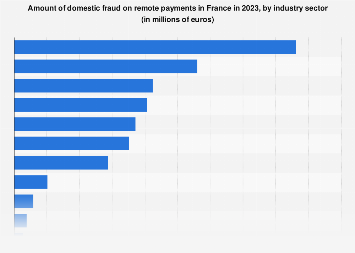
The French market, with its diverse economic landscape, exhibits varying levels of susceptibility to remote payment fraud across different sectors. Preliminary insights suggest that industries with a high volume of online transactions, particularly those involving the sale of high-value goods or services that are easily resold, tend to be more attractive targets for fraudsters. The retail sector, encompassing everything from fashion and electronics to luxury goods, consistently faces significant challenges. The ability to quickly monetize stolen payment information for tangible goods makes it a prime target. Furthermore, the travel and tourism industry, with its complex booking systems and the potential for high-value transactions like flights and accommodation, also remains vulnerable. Fraudsters often exploit the ease of booking and canceling reservations, or use stolen credentials to secure bookings that are then resold on secondary markets.
The entertainment and digital content sector, including subscriptions for streaming services, online gaming, and digital marketplaces, also presents a considerable risk. The ease with which digital goods can be acquired and consumed, coupled with the recurring nature of subscription services, makes them attractive for fraudulent schemes. For instance, fraudsters might use stolen credit card details to subscribe to services, consume content, and then abandon the account before the fraudulent activity is detected. This often leads to chargebacks for the merchants, impacting their profitability and potentially leading to increased scrutiny from payment processors.
The financial services sector itself is not immune, although it often employs robust anti-fraud measures. However, the interfaces through which customers interact with financial services – such as online banking portals, mobile payment applications, and peer-to-peer transfer platforms – can be targets for phishing attacks and account takeovers, which then facilitate further fraudulent transactions. The increasing adoption of Buy Now, Pay Later (BNPL) services, while popular with consumers for its flexibility, also introduces new fraud vectors, as these platforms are often integrated into online retail checkouts and can be exploited if not adequately secured.
Beyond these prominent sectors, emerging areas like online education, food delivery services, and even digital health platforms are increasingly becoming targets as fraudsters seek out new opportunities. The sheer volume of transactions and the speed at which they occur can overwhelm even sophisticated fraud detection systems.
The economic impact of remote payment fraud in France extends far beyond direct financial losses. For businesses, it translates into increased operational costs associated with fraud prevention technologies, manual review processes, and the management of chargebacks. These costs can be particularly burdensome for small and medium-sized enterprises (SMEs), which may lack the resources to implement comprehensive fraud mitigation strategies. Moreover, the reputational damage incurred by a business experiencing significant fraud can deter future customers and erode consumer trust, a critical asset in the digital economy.
From a macroeconomic perspective, widespread fraud can undermine confidence in the digital payment ecosystem, potentially slowing the adoption of innovative payment solutions and hindering the growth of the digital economy. It can also lead to increased prices for consumers as businesses factor the cost of fraud into their pricing strategies. Furthermore, the resources diverted to combating fraud could otherwise be invested in innovation, job creation, and economic expansion.
The statistics on remote payment fraud are often compiled and analyzed by specialized data intelligence firms, which offer subscription-based access to detailed market insights. These platforms leverage vast datasets from various sources, including payment processors, financial institutions, and e-commerce platforms, to identify trends, patterns, and the prevalence of fraud across different industries and geographies. Access to such granular data is crucial for businesses to understand their specific risk profiles and to implement targeted fraud prevention strategies. The cost of accessing these premium statistics reflects the value they provide in helping businesses make informed decisions in a complex and evolving threat landscape.
In conclusion, the persistent challenge of remote payment fraud in France demands continuous vigilance and adaptation from businesses across all sectors. As digital transactions become more ingrained in daily life, the sophistication of fraudulent activities will likely continue to evolve. Therefore, a proactive approach, combining advanced technological solutions with a deep understanding of emerging threats and sectoral vulnerabilities, is essential to safeguard both businesses and consumers in the digital marketplace. The ongoing efforts to enhance security protocols, promote consumer awareness, and foster collaboration between industry stakeholders will be critical in mitigating the economic and social costs of this pervasive issue.