
The Federal Open Market Committee (FOMC) concluded its latest two-day policy meeting on Wednesday by electing to maintain the federal funds rate at a range of 3.5% to 3.75%. This decision marks a significant tactical shift for the U.S. central bank, bringing an end to a series of three consecutive quarter-point reductions that were originally characterized as "maintenance" moves designed to fortify the labor market against potential cooling. However, with the domestic economy displaying surprising resilience and inflationary pressures proving more stubborn than anticipated, the committee has opted for a "hawkish pause," signaling that the aggressive easing cycle initiated in late 2025 may be entering a period of prolonged dormancy.
The decision to hold rates steady was accompanied by a notable revision in the Fed’s official assessment of the economic landscape. In its post-meeting statement, the FOMC upgraded its view of national productivity, noting that "economic activity has been expanding at a solid pace." This optimistic appraisal stands in contrast to the more cautious rhetoric seen in the autumn months. Perhaps more critically, the committee removed a specific clause from its previous communications that suggested the risks to the labor market outweighed the risks of persistent inflation. By deleting this language, the Fed has effectively signaled that its "dual mandate"—the pursuit of maximum employment and price stability—is now back in a state of equilibrium, suggesting no immediate urgency to provide further stimulus to the economy.
Market reaction to the announcement was swift and reflected a recalibration of investor expectations for the remainder of the year. Treasury yields climbed across the curve as traders priced out the likelihood of a spring rate cut, while the S&P 500 hovered near the historic 7,000 milestone, reflecting a tug-of-war between optimism over strong growth and concerns regarding higher-for-longer borrowing costs. Current futures pricing indicates that the market does not expect another rate adjustment until June at the earliest, with many analysts now projecting only two total cuts for the entirety of 2026.
Despite the majority consensus, the meeting was not without internal friction. The vote revealed a continuing divide within the Fed’s leadership, as Governors Stephen Miran and Christopher Waller both cast dissenting votes, advocating for an immediate 25-basis-point reduction. For Miran, this marked the fourth consecutive meeting in which he broke from the majority, though his stance appeared to have moderated slightly from his previous calls for a more aggressive half-point cut. Both Miran and Waller were appointed by President Donald Trump, and their preference for lower rates aligns with the administration’s broader push for a more accommodative monetary environment to fuel industrial expansion.
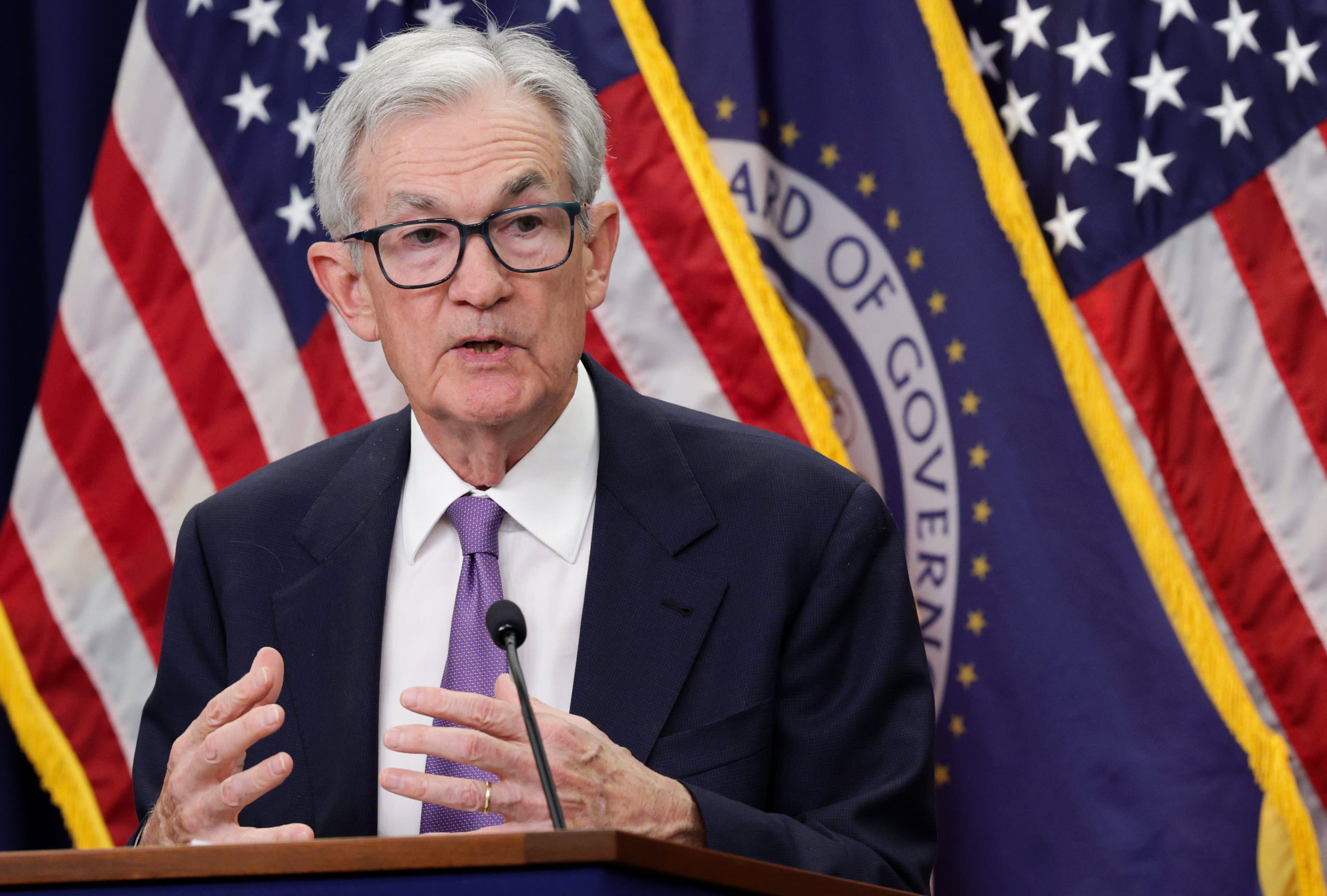
The backdrop of this policy decision is perhaps the most politically charged environment the Federal Reserve has faced in its 113-year history. Chair Jerome Powell is currently navigating the final months of his eight-year tenure, a period that has been defined by the unprecedented shocks of a global pandemic, the subsequent inflationary surge, and a persistent cycle of friction with the executive branch. The current administration’s efforts to exert more direct influence over monetary policy have created a climate of uncertainty that transcends standard economic forecasting.
Institutional independence has become a central theme in the Fed’s current deliberations. The Justice Department’s recent subpoena of Chair Powell regarding renovations at the Federal Reserve’s Washington headquarters has been viewed by many institutionalists as a targeted maneuver to pressure the central bank’s leadership. Simultaneously, a legal battle over the President’s attempt to remove Governor Lisa Cook from her post has reached the Supreme Court. During a post-meeting press conference, Powell addressed these tensions with unusual candor, describing the pending Supreme Court case as "perhaps the most important" in the institution’s history, emphasizing that the ability of the Fed to operate without political interference is foundational to maintaining the stability of the U.S. dollar and the broader financial system.

From a purely data-driven perspective, the Federal Reserve is facing a complex "no-landing" scenario where growth remains high even as interest rates stay restrictive. The U.S. economy’s performance has defied the expectations of many traditional models. Real Gross Domestic Product (GDP) grew at a 4.4% annualized rate in the third quarter of 2025, and high-frequency data from the Atlanta Fed’s GDPNow tracker suggests the final quarter of the year could reach a staggering 5.4%. This level of growth is well above the "trend" rate and complicates the Fed’s mission to bring inflation down to its 2% target.
The labor market presents a similarly nuanced picture. While the pace of new hiring has slowed—partially attributed to stricter immigration enforcement reducing the influx of new workers—layoffs remain historically low. Initial jobless claims have trended at their lowest levels in two years, suggesting that while companies are not expanding their payrolls rapidly, they are also not shedding staff in a way that would necessitate emergency rate cuts. This stabilization of the unemployment rate has given the FOMC the breathing room to prioritize the "last mile" of its inflation fight.
Inflation, however, remains the primary hurdle for policymakers. Although the Consumer Price Index (CPI) has retreated from the four-decade highs seen in 2022, it has remained stubbornly lodged near the 3% mark. The "sticky" nature of service-sector inflation, combined with the potential for new trade tariffs to exert upward pressure on goods prices, has made some Fed officials wary of cutting rates too soon. The Fed’s staff economists have noted that while tariffs are generally viewed as a one-time price shock, they have the potential to de-anchor inflation expectations if they coincide with a period of robust consumer demand and tight labor supply.
On the global stage, the Federal Reserve’s decision to pause puts it in a unique position compared to its international peers. While the European Central Bank (ECB) and the Bank of England have also moved toward a data-dependent stance, the sheer strength of U.S. growth separates the American economy from the more sluggish recovery seen in the Eurozone and the United Kingdom. This divergence in growth and interest rate trajectories has bolstered the U.S. dollar, making American exports more expensive while helping to dampen imported inflation.
As the financial world looks toward the summer, the focus is increasingly shifting toward the looming leadership transition at the central bank. With Powell’s term set to expire, speculation regarding his successor has intensified. Prediction markets and institutional investors have identified Rick Rieder, the chief investment officer of global fixed income at BlackRock, as a frontrunner for the chairmanship. The choice of the next chair will be pivotal in determining whether the Fed maintains its current commitment to institutional independence or moves toward a more collaborative relationship with the White House’s fiscal policy goals.
For now, the FOMC appears content to wait and see. The statement released Wednesday emphasized that "in considering the extent and timing of additional adjustments," the committee will remain focused on incoming data and the evolving outlook. This language suggests that the Fed is moving away from the forward guidance of the past—where it signaled a clear path of future cuts—and is instead adopting a more reactionary posture.
The economic stakes could not be higher. If the Fed keeps rates too high for too long, it risks stifling the very growth that has been the hallmark of the current recovery. Conversely, if it bows to political pressure and cuts rates prematurely, it risks a resurgence of inflation that could take years to correct. As Jerome Powell enters the final stretch of his leadership, the decision to hold steady represents a final stand for a central bank trying to maintain its course in the midst of a perfect storm of economic vitality and political upheaval. The coming months will determine if this pause was a temporary breather or the beginning of a new era of higher-for-longer interest rates in a rapidly changing global economy.