The sudden and dramatic conclusion of Nicolás Maduro’s decade-long tenure has left Venezuela at a historic crossroads, oscillating between the euphoria of a long-awaited political shift and the sobering reality of a nation in systemic collapse. As the dust settles in Caracas, the international community and global markets are grappling with a fundamental question: what follows the vacuum left by the United Socialist Party of Venezuela (PSUV)? While the departure of Maduro marks the end of a specific era of "Chavismo," the structural, economic, and institutional wreckage left behind presents a recovery task of unprecedented proportions in modern Latin American history.
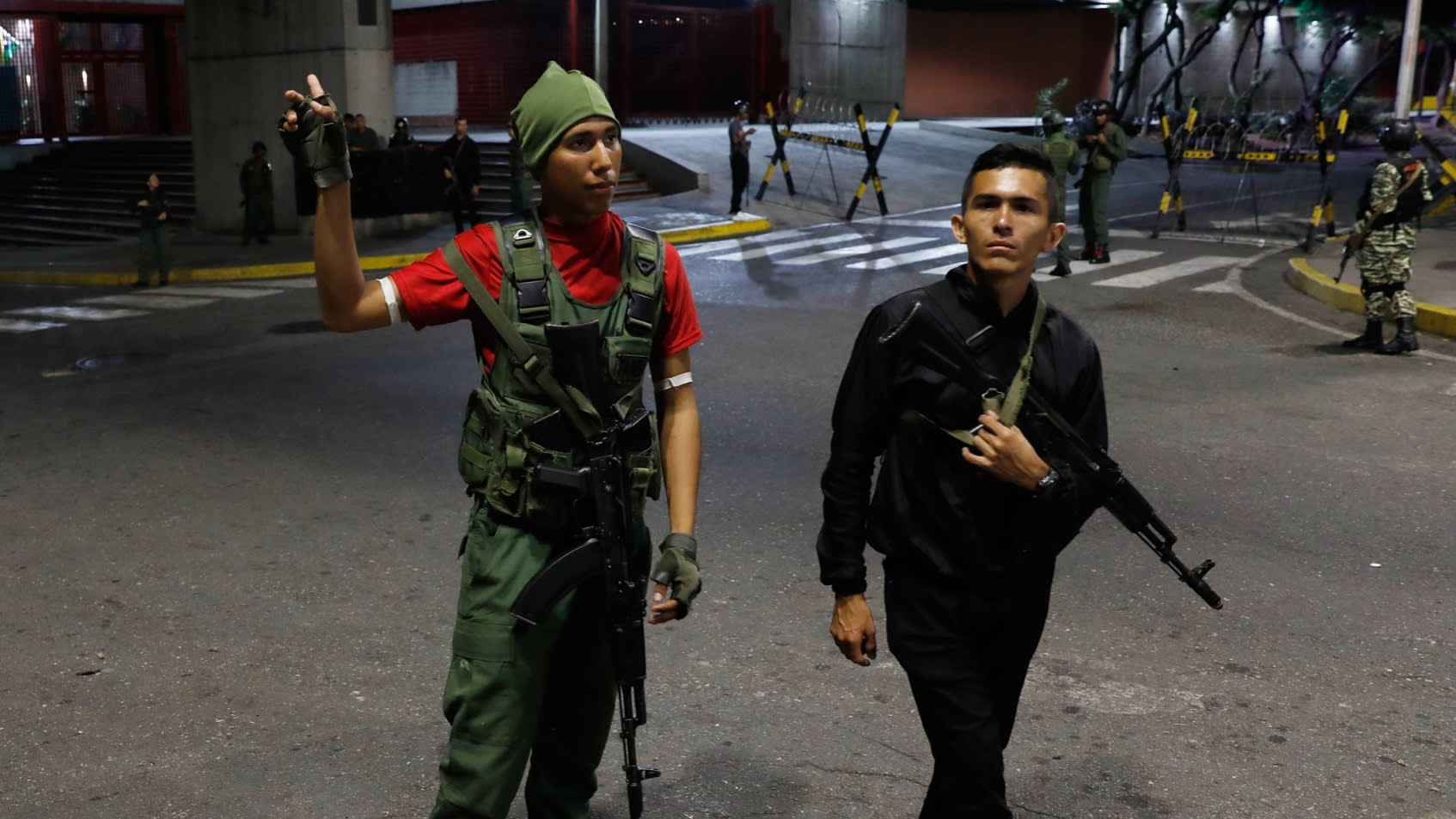
The immediate atmosphere in the capital is one of profound uncertainty. For years, Maduro maintained a grip on power through a complex web of military loyalty, judicial control, and the strategic distribution of dwindling oil rents. With that architecture now fractured, the primary concern for political analysts is the role of the Bolivarian National Armed Forces (FANB). Historically, the military has acted as the ultimate arbiter of Venezuelan politics, holding significant stakes in the country’s legal and illegal economies, including the lucrative "Arco Minero" gold regions and state-run food distribution networks. Any transition toward a civilian-led democracy will require a delicate negotiation with a military apparatus that fears prosecution and the loss of its economic privileges.
The political opposition, led by figures such as Edmundo González Urrutia and the influential María Corina Machado, faces the Herculean task of unifying a fractured society while managing the expectations of a population exhausted by hyperinflation and state repression. The legitimacy of a transitional government will depend not only on its ability to restore democratic norms but also on its capacity to deliver immediate humanitarian relief. Venezuela’s crisis has already triggered the largest displacement of people in the Western Hemisphere, with over 7.7 million citizens fleeing the country since 2014. Reversing this "brain drain" and reintegrating millions of refugees is a prerequisite for long-term economic stability.
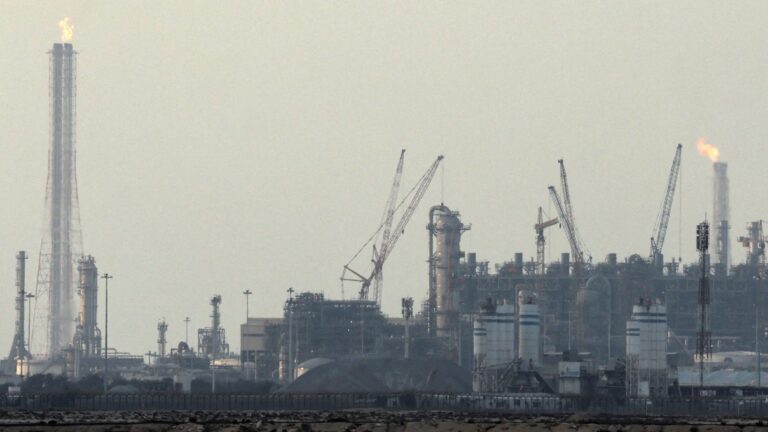
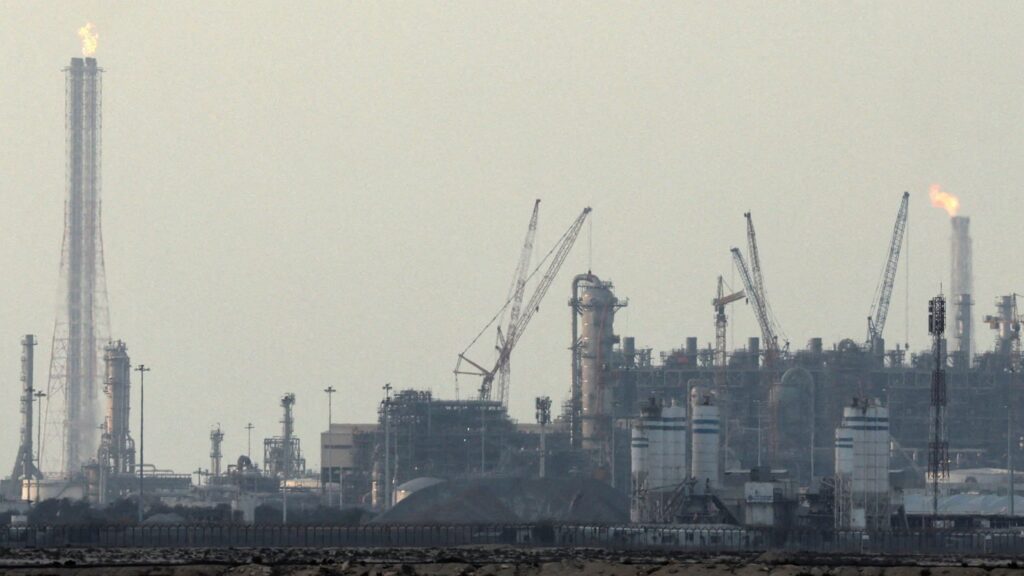
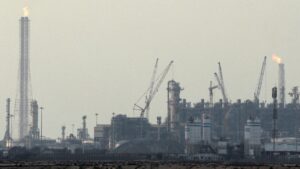
From a macroeconomic perspective, the challenges are staggering. Venezuela, once the wealthiest nation in South America on a per capita basis, has seen its GDP contract by approximately 75% over the last decade. The oil industry, the lifeblood of the economy, is a shadow of its former self. At its peak in the late 1990s, Petróleos de Venezuela (PDVSA) produced over 3.2 million barrels per day (bpd). By recent estimates, production has hovered between 700,000 and 850,000 bpd, hampered by chronic underinvestment, a lack of technical expertise, and the weight of U.S. secondary sanctions.
Market analysts suggest that reviving the oil sector will require an infusion of capital exceeding $10 billion annually for at least eight to ten years. This necessitates a radical shift in policy, likely involving the privatization of key assets or the implementation of highly favorable production-sharing agreements to lure back global majors like Chevron, Eni, and Repsol. However, foreign investors remain wary of the legal risks associated with a transitional period. Without a clear legislative framework and the restoration of the rule of law, the "black gold" that fueled Venezuela’s 20th-century rise may remain trapped underground, leaving the state without the foreign exchange reserves needed to stabilize the bolívar.
The debt situation adds another layer of complexity to the post-Maduro landscape. Venezuela and PDVSA are currently in default on an estimated $60 billion in sovereign bonds, with total external liabilities—including bilateral loans from China and Russia and arbitration awards—exceeding $150 billion. Negotiating a restructuring deal with a diverse and often litigious group of creditors will be a multi-year process. The involvement of the International Monetary Fund (IMF) and the World Bank is viewed as inevitable, but such assistance usually comes with strings attached: austerity measures and structural reforms that could prove politically explosive in a country where the poverty rate exceeds 80%.
Geopolitically, the fall of the Maduro administration reshuffles the deck in the Western Hemisphere. For the United States, a stable and democratic Venezuela offers the prospect of a more reliable energy partner and a reduction in regional migration pressures. The White House will likely move to calibrate sanctions relief in exchange for verifiable steps toward free and fair elections. However, the influence of China and Russia cannot be ignored. Beijing has historically been Venezuela’s largest creditor, trading infrastructure loans for oil, while Moscow has provided military support and helped the regime bypass oil sanctions. A new government in Caracas will have to navigate these relationships carefully, balancing the need for Western capital with the reality of existing obligations to Eastern powers.
Regional neighbors, particularly Colombia and Brazil, are watching the transition with bated breath. The spillover effects of the Venezuelan crisis have strained the social services and infrastructure of bordering nations. A successful transition could lead to a "rebound effect," where the reopening of trade routes and the stabilization of the border stimulate regional commerce. Conversely, if the power vacuum leads to internal conflict or a rise in paramilitary activity, the resulting instability could further destabilize the Andean region.
Beyond the high-level politics and economics, there is the matter of institutional atrophy. Over the last two decades, the separation of powers in Venezuela was systematically dismantled. The judiciary, the National Electoral Council (CNE), and the Central Bank became appendages of the executive branch. Rebuilding these institutions from scratch is not merely a legal exercise but a cultural one. Restoring faith in the ballot box and the independence of the courts is essential to prevent a slide back into authoritarianism or the rise of a new populist strongman.
The environmental legacy of the Maduro era also demands urgent attention. The "Arco Minero del Orinoco," a vast mining zone created by decree in 2016, has led to catastrophic deforestation and the mercury poisoning of indigenous lands. Correcting these environmental abuses while trying to generate revenue from mineral exports will be one of the most difficult balancing acts for a new administration. The international community, increasingly focused on ESG (Environmental, Social, and Governance) standards, will likely demand strict environmental protections as a condition for mining investments.
As the world watches, the "day after" in Venezuela feels less like a conclusion and more like the beginning of a grueling marathon. The euphoria of Maduro’s exit is tempered by the reality of a bankrupt treasury, a broken power grid, and a deeply polarized populace. The path to recovery is narrow and fraught with the risk of regression. Success will require a level of national consensus and international cooperation rarely seen in the 21st century.
For global markets, the "Venezuela trade" remains a high-risk, high-reward proposition. While the potential for a massive economic turnaround is real, the institutional barriers are immense. Speculators may find opportunities in distressed debt or energy services, but long-term institutional capital will likely wait for signs of "institutional thickening"—the emergence of stable, predictable rules of the game.
Ultimately, the departure of Nicolás Maduro is a necessary but insufficient condition for Venezuela’s rebirth. The country’s future depends on whether its new leaders can transcend the grievances of the past to build a functional state. In the absence of a clear roadmap, the coming months will be defined by a precarious tug-of-war between those seeking a total break with the previous system and those within the old guard trying to preserve their survival. Venezuela has closed a dark chapter, but the story of its reconstruction is only just being written, and the ink is still very much wet.