


The traditional energy sector, long dominated by the price fluctuations of Brent and West Texas Intermediate (WTI) crude, is facing a fundamental shift in investor sentiment as the digital economy’s thirst for power begins to outpace the cyclical volatility of fossil fuels. While geopolitical tensions in the Middle East and shifting administrative policies in Washington have historically driven energy portfolios, a new narrative is emerging—one centered not on the combustion engine, but on the massive silicon wafers housed in data centers across the globe. Jan van Eck, the CEO of VanEck, suggests that the "Old Energy" world has entered a period of stagnation, characterized by a "sideways" trajectory that fails to capture the explosive growth potential found in the burgeoning intersection of artificial intelligence (AI) and carbon-free baseload power.
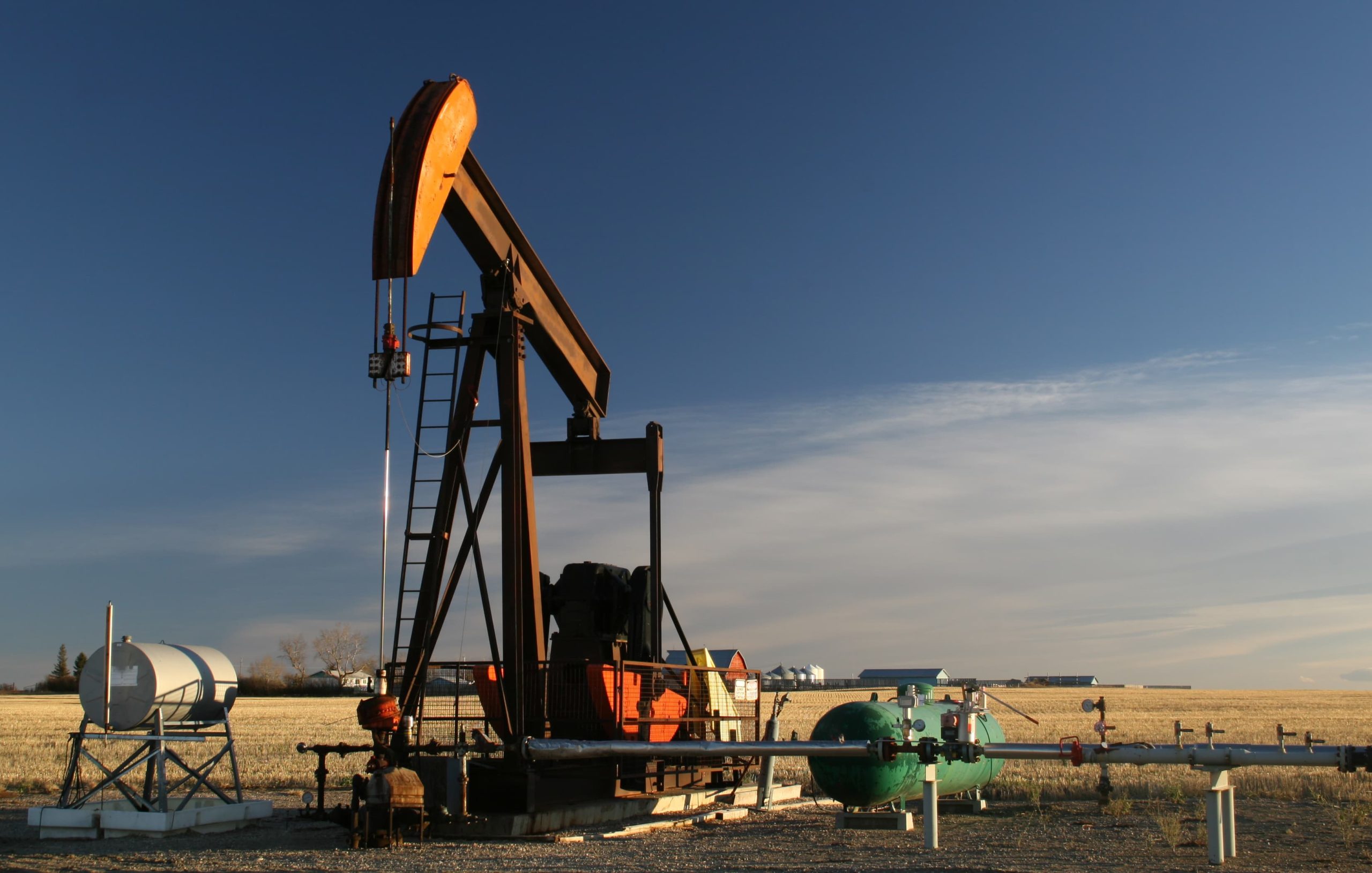
For decades, oil has been the primary barometer for global economic health. However, despite recent spikes in WTI and Brent pricing fueled by concerns over U.S.-Iran relations and potential supply disruptions, many institutional investors are looking past the immediate noise. The argument is becoming increasingly clear: while oil remains essential for global transport and logistics, its growth profile is becoming increasingly decoupled from the most aggressive drivers of the modern economy. In this landscape, the "Old Energy" trade is viewed as a value play at best, and a trap at worst, leaving room for a "New Energy" thesis that prioritizes reliability and scalability above all else.
The catalyst for this transformation is the rise of the "hyperscalers"—tech giants like Microsoft, Alphabet, Amazon, and Meta—who are currently engaged in a massive arms race to build out the infrastructure required for generative AI. These facilities are not merely large warehouses of servers; they are some of the most energy-intensive structures ever built. Unlike traditional industrial facilities that can fluctuate their power consumption based on output, AI data centers require a constant, unwavering stream of electricity. This necessity has brought the concept of "reliability" back to the forefront of the energy debate, a factor Jan van Eck refers to as the "R word" that many market participants have yet to fully appreciate.
Data centers supporting complex AI models cannot afford even a momentary lapse in power. An hour of downtime does not just represent lost productivity; it represents a catastrophic failure in the training of multi-billion-dollar neural networks and the delivery of real-time cloud services. This requirement for 24/7 "five-nines" reliability (99.999% uptime) effectively disqualifies intermittent energy sources like wind and solar unless they are backed by massive, and currently prohibitively expensive, battery storage systems. Consequently, the search for a carbon-free, high-capacity, and permanent power source has led the tech industry—and the investors who follow it—back to nuclear energy.
The market performance of nuclear-focused equities reflects this newfound urgency. The VanEck Uranium and Nuclear ETF (NLR), a bellwether for the sector, has demonstrated remarkable resilience and growth, posting gains of over 70% over the past year. This performance stands in stark contrast to the broader energy indexes, which have struggled to maintain momentum amidst fluctuating crude prices and a murky outlook for global demand. The top holdings within such funds, including industry leaders like Cameco, Constellation Energy, and BWX Technologies, have transitioned from being overlooked utility plays to being treated as essential technology infrastructure stocks.
Cameco, one of the world’s largest providers of uranium fuel, has seen its valuation surge as the global supply-demand imbalance for nuclear fuel becomes more pronounced. For years, the uranium market suffered from oversupply and low prices following the Fukushima disaster. Today, however, the script has flipped. With the Western world seeking to decouple its nuclear supply chain from Russian influence and the demand for carbon-neutral power hitting record highs, uranium has become one of the most sought-after commodities in the energy transition.

The shift is perhaps most visible in the strategic pivot of Constellation Energy. As the largest operator of nuclear plants in the United States, Constellation has become a primary partner for tech firms seeking dedicated power. A landmark agreement to restart a decommissioned unit at Three Mile Island to provide dedicated power to Microsoft served as a watershed moment for the industry. It signaled to the market that the tech sector is willing to pay a premium for the stability and carbon-neutral profile of nuclear power, effectively turning old industrial assets into high-growth engines for the digital age.
This transition from "Old Energy" to "New Energy" is not merely a niche trend but a structural realignment of the global power grid. Jennifer Grancio, the global head of distribution at TCW, notes that the modern economy is currently "feeding the beast" of data centers and advanced manufacturing. This appetite for power is so immense that it requires a "total energy" approach, yet the alpha is increasingly found in companies that facilitate efficiency and nuclear integration. The TCW Transform Systems ETF (PWRD), which balances traditional exposure with a heavy lean toward nuclear and grid efficiency, has mirrored this sentiment, outperforming traditional energy benchmarks as it captures the buildout of the next-generation electrical infrastructure.
The economic implications of this shift extend beyond the stock market. We are witnessing a reimagining of industrial policy where energy security is synonymous with technological sovereignty. Countries that can provide stable, low-cost, and clean power will become the preferred hubs for the next generation of AI development. This has led to a global race to develop Small Modular Reactors (SMRs), a technology that promises to deliver nuclear power with lower capital costs and faster deployment times than traditional large-scale reactors. Companies like BWX Technologies are at the forefront of this innovation, working to miniaturize nuclear tech for both terrestrial power and space exploration.
Furthermore, the "AI trade" is forcing a re-evaluation of the electrical grid itself. The existing infrastructure in many developed nations is ill-equipped to handle the localized, high-density loads required by massive data center clusters. This creates a secondary investment opportunity in grid modernization, transformers, and transmission technology. Investors are beginning to realize that the bottleneck for AI growth isn’t just the availability of GPUs (Graphics Processing Units) from companies like Nvidia, but the availability of a physical plug to power them.
Globally, the comparison between energy strategies is stark. While Europe continues to grapple with the fallout of its reliance on natural gas and the complexities of its "Energiewende" transition, and China aggressively builds out its nuclear fleet to sustain its manufacturing dominance, the United States is finding its own path through private-sector partnerships between Big Tech and the nuclear industry. The Inflation Reduction Act (IRA) has provided a tailwind for this movement, offering tax credits that make the preservation and expansion of nuclear capacity economically viable for the first time in decades.
Despite the enthusiasm, the path forward is not without hurdles. The nuclear industry still faces significant regulatory scrutiny, long lead times for new construction, and the perennial challenge of waste management. However, the sheer economic weight of the AI revolution appears to be shifting the political and social calculus. When the choice is between a potential energy shortage that stunts the growth of the most important technological advancement of the 21st century and the expansion of nuclear power, the latter is increasingly viewed as the only logical path forward.
In conclusion, the energy market is bifurcating. On one side sits the traditional oil trade—a sector characterized by geopolitical volatility, sideways price action, and a gradual decoupling from the high-growth segments of the economy. On the other side is the "New Energy" frontier, where nuclear power and electricity infrastructure are being reclassified as the essential backbone of the artificial intelligence era. For investors like Jan van Eck and firms like TCW, the message is clear: the most compelling energy trade of the decade isn’t found in a barrel of oil, but in the steady, reliable glow of a nuclear reactor, powering the algorithms that will define the future. As the "R word"—reliability—becomes the primary currency of the digital age, the nuclear renaissance is no longer a distant possibility, but an active market reality.