

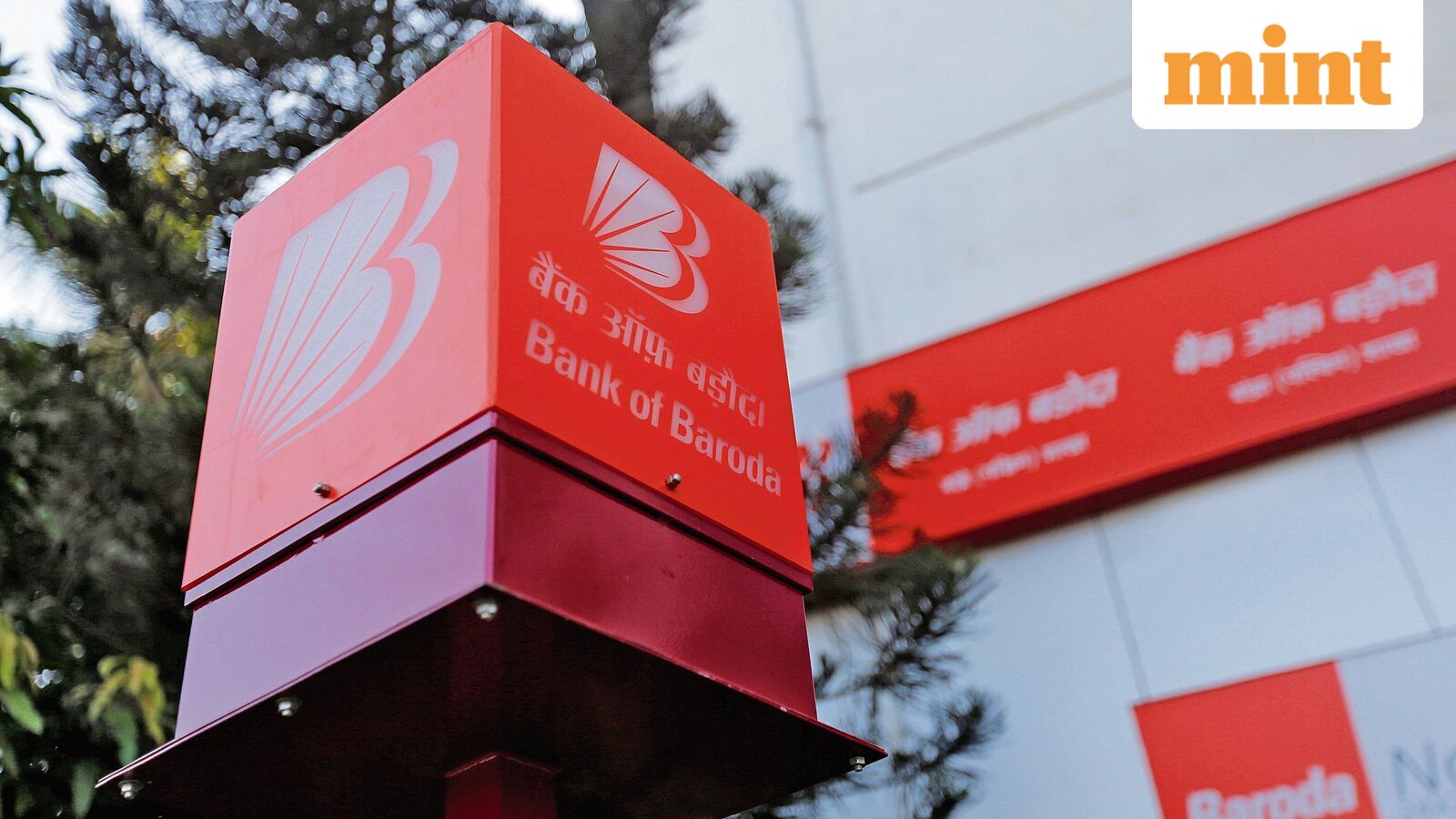
India’s second-largest public sector lender, Bank of Baroda (BoB), is embarking on an assertive strategy to significantly scale its prepaid card portfolio, targeting a base of one million active cards within the next five years. This ambitious goal, revealed in internal documents, underscores a strategic pivot by traditional banking institutions to carve out specialized niches within India’s rapidly evolving, and often UPI-dominated, digital payments landscape. The bank currently manages approximately 454,608 prepaid cards and aims to onboard an additional 100,000 cards annually, encompassing both domestic and international variants.
This expansion initiative comes at a time when the Indian digital payments ecosystem is experiencing unprecedented growth, yet also intense competition. While the Unified Payments Interface (UPI) has undeniably revolutionized peer-to-peer and merchant payments, processing an staggering 20.5 billion transactions in November alone, other digital payment instruments (PPIs), including prepaid cards and wallets, collectively facilitated 899.1 million transactions in the same period. Despite this volume disparity, BoB’s strategic focus on prepaid cards suggests a clear recognition of their enduring relevance for specific use cases and demographic segments. The bank’s existing prepaid card portfolio already demonstrates robust engagement, boasting an active card rate of 25%, significantly higher than the banking industry average of 18%. An active card, as defined by the Reserve Bank of India (RBI), is one that has been utilized for at least one financial transaction over the past year, indicating a healthy level of customer engagement for BoB’s existing base of 112,801 active prepaid cards. Furthermore, the bank maintains a substantial digital wallet presence with 1.1 million wallets, nearly a million of which are active, highlighting its broader commitment to digital payment solutions.
To achieve its aggressive growth targets, Bank of Baroda is seeking external expertise, issuing a comprehensive Request for Proposal (RFP) for an end-to-end prepaid card management module. This technological upgrade and operational partnership are critical to streamlining the issuance, processing, and lifecycle management of its expanded card offerings. The scope of the project is extensive, encompassing the development and management of rupee-denominated prepaid cards, multi-currency foreign exchange prepaid cards (supporting a minimum of 12 currency wallets), and the integration of National Common Mobility Cards (NCMC). Beyond mere transaction processing, the new system is also expected to facilitate sophisticated rewards and cashback programs, crucial elements for driving customer acquisition and retention in a competitive market.
The financial arrangement with the chosen service provider reflects a performance-driven model, incorporating both incentives and penalties designed to align the vendor’s objectives with BoB’s growth aspirations. For instance, the bank has stipulated a 20% incentive, over and above the base compensation, for service providers who exceed annual targets. This bonus is contingent on specific customer engagement metrics: customers must complete their first transaction within 60 days of card issuance and incur a minimum spend of ₹50,000. Conversely, failure to meet annual distribution targets will trigger a penalty equivalent to 25% of the compensation on a quarterly basis. Furthermore, stringent claw-back clauses are in place to mitigate fraud and ensure genuine customer acquisition, with penalties triggered for fraudulent applications or cards cancelled within 180 days, irrespective of transaction activity. This structured approach to vendor management underscores BoB’s commitment to both growth and risk mitigation.
While UPI’s ubiquity presents a formidable challenge to other payment instruments, industry experts, including independent fintech consultants, identify several compelling use cases where prepaid cards retain a distinct advantage. One of the most significant growth drivers for prepaid cards, particularly multi-currency forex cards, is the burgeoning outbound travel market from India. Government data indicates a substantial surge in international travel, with over 30.9 million Indians venturing abroad in 2024, marking a 10.8% increase over the previous year. This trend is fueled by rising disposable incomes, increasing global connectivity, and a growing appetite for international tourism and business travel. Forex prepaid cards offer travelers convenience, security against currency fluctuations, and often better exchange rates compared to cash or traditional credit/debit cards, making them an attractive proposition for this segment.
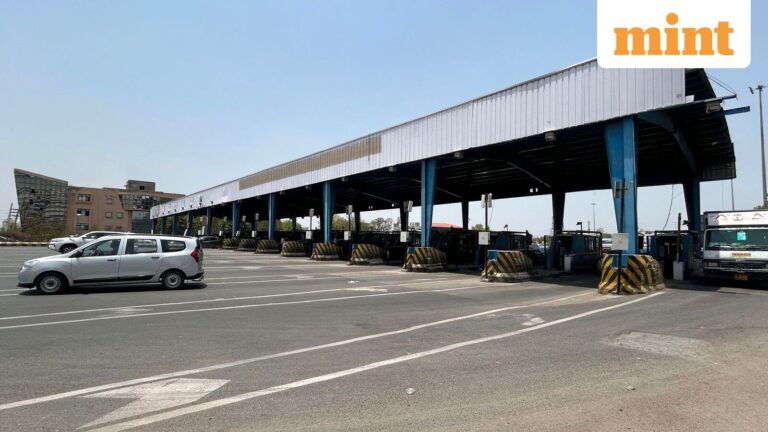
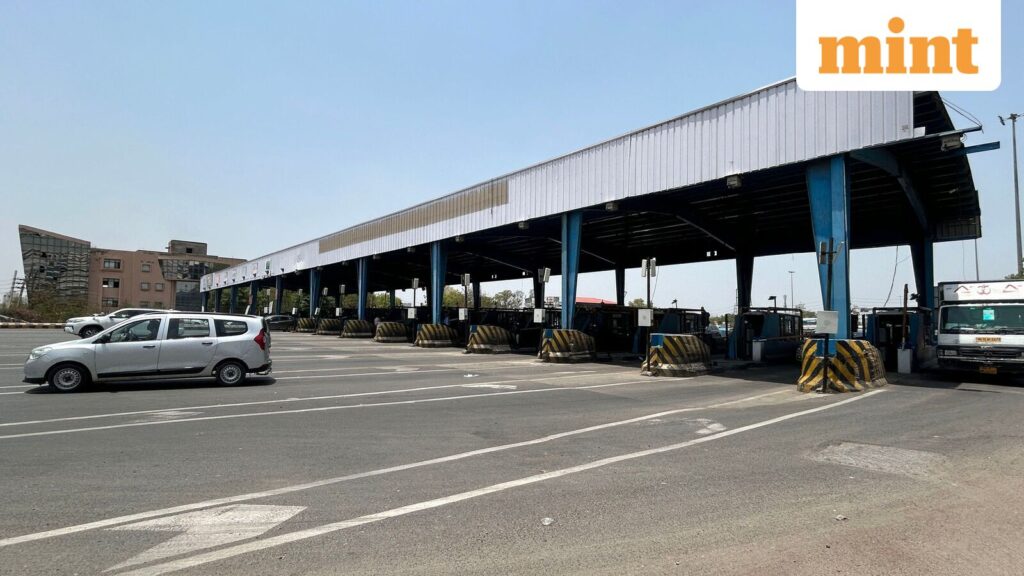
Another critical application is the National Common Mobility Card (NCMC), designed to streamline payments across various public transport systems, including metro rail networks, buses, and toll plazas. As India continues to invest heavily in urban infrastructure and smart city initiatives, the demand for seamless, interoperable payment solutions for mass transit is set to soar. The NCMC standard, promoted by the Ministry of Housing and Urban Affairs, aims to create a unified payment experience, and banks issuing these cards are poised to capitalize on the increasing digitalization of urban mobility. This aligns perfectly with the government’s vision for a cashless economy and improved urban living. Beyond travel and transit, specialized prepaid instruments like FASTag for electronic toll collection, corporate expense cards, and gift cards continue to demonstrate strong utility. FASTag, for instance, has become mandatory for vehicles on national highways, creating a dedicated market for these prepaid solutions. Gift cards offer a convenient, versatile alternative to cash for corporate incentives and personal gifting, while corporate expense cards provide businesses with enhanced control and transparency over employee spending.
The competitive landscape for prepaid cards in India is diverse. While BoB aims for one million cards, other players already command significant market share. NSDL Payments Bank leads the pack with an impressive 38.9 million prepaid cards issued, followed by HDFC Bank with 17.2 million. This indicates a robust market for prepaid solutions, albeit one with established leaders. BoB’s strategy, therefore, is not merely about increasing volume but also about leveraging its extensive branch network and customer base, particularly in semi-urban and rural areas, to drive adoption. By offering tailored products like multi-currency cards for globetrotters and NCMC for urban commuters, BoB aims to differentiate itself and cater to specific, high-growth segments.
From an economic perspective, the expansion of prepaid card usage contributes significantly to financial inclusion. These instruments can serve as a crucial entry point into the formal banking system for individuals who might not qualify for traditional credit cards or prefer a more controlled spending mechanism. They offer a secure alternative to cash, reduce the risks associated with carrying large sums, and help users manage budgets more effectively. For the broader economy, a wider adoption of digital payments, including prepaid cards, enhances transparency, reduces the grey economy, and provides valuable data for policy formulation. As India marches towards becoming a fully digital economy, every instrument that facilitates electronic transactions plays a vital role in building a resilient and efficient financial ecosystem.
Bank of Baroda’s concerted effort to bolster its prepaid card offerings signifies a pragmatic approach to navigating India’s dynamic digital payments market. While UPI continues its explosive growth, the bank’s strategy acknowledges the inherent strengths and specific utility of prepaid instruments. By investing in advanced technology, forging performance-linked partnerships, and targeting high-potential use cases such as international travel and urban transit, BoB is positioning itself not just to participate but to thrive in specialized segments. This strategic focus ensures that even in an increasingly digitized payment landscape, diverse financial products continue to meet the varied needs of a vast and evolving consumer base, reinforcing the resilience and adaptability of India’s banking sector.