


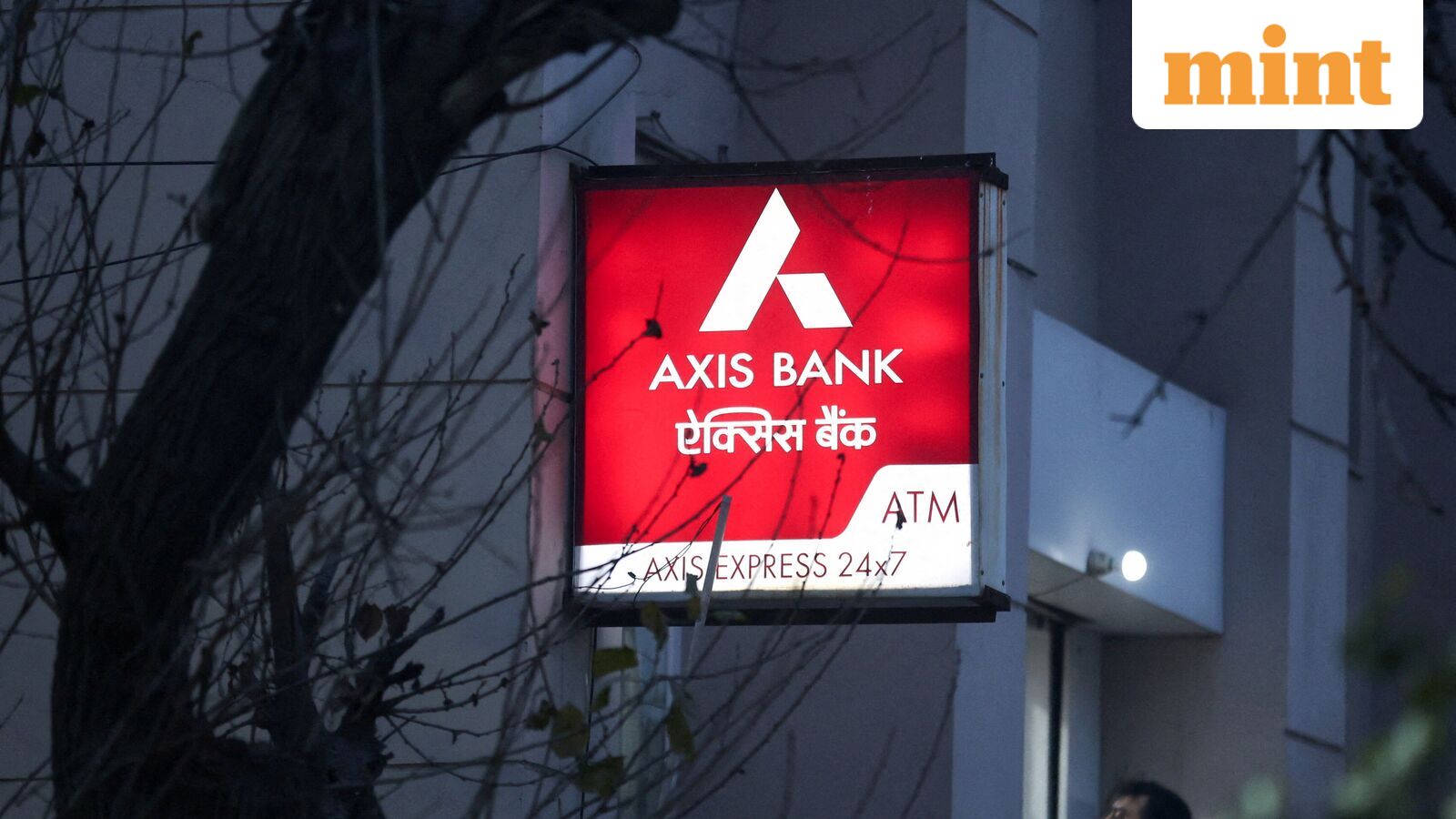
Mumbai, India – Axis Bank Ltd., one of India’s prominent private sector lenders, is engaged in a comprehensive re-evaluation of its capital infusion strategy for its crucial consumer lending subsidiary, Axis Finance. This strategic reassessment follows recent shifts in the Reserve Bank of India’s (RBI) regulatory stance, prompting a fresh look at previously considered options and opening new avenues for strengthening the non-bank financial company (NBFC). The bank’s executive leadership has affirmed that "nothing is off the table," underscoring a commitment to ensuring robust capitalisation for Axis Finance’s continued growth trajectory within India’s dynamic credit market.
The ongoing strategic deliberation marks a pivotal moment, influenced significantly by a recent regulatory U-turn by the central bank. Earlier in 2024, the RBI had proposed draft rules aimed at preventing banks from engaging in overlapping business activities with their subsidiaries. This move was widely interpreted as an effort to mitigate potential systemic risks, prevent regulatory arbitrage, and ensure a level playing field across financial entities, particularly in the context of the rapidly expanding NBFC sector often referred to as "shadow banking." The prospect of these rules had prompted Axis Bank to initiate a process to potentially divest a stake in Axis Finance, even appointing merchant bankers to explore the sale. However, the RBI’s subsequent withdrawal of this draft circular last month fundamentally altered the landscape, allowing banks to maintain and expand their overlapping non-bank lending operations through their subsidiaries. This reversal has necessitated a "fresh review of both existing and newly opened avenues" for Axis Finance’s capital structure, as stated by Subrat Mohanty, Executive Director at Axis Bank, during a recent post-earnings conference call.
Multiple pathways are currently under active consideration to bolster Axis Finance’s capital base. One primary option remains a direct capital infusion from the parent bank. This approach offers the benefit of full strategic control and a clear signal of confidence from the parent, ensuring immediate capital availability. However, it also implies a direct allocation of the parent bank’s own capital, potentially impacting its overall capital adequacy ratios or limiting its ability to deploy funds elsewhere. Another significant avenue involves bringing in a strategic partner, which would entail a dilution of equity in Axis Finance. Such a move could introduce not only fresh capital but also specialized expertise, market insights, and potentially new distribution channels, while also providing a market-validated valuation for the subsidiary. A partial stake sale, as previously contemplated, also remains a possibility, allowing the parent bank to unlock value and reduce its direct capital commitment to the subsidiary. Lastly, Axis Finance could explore raising capital independently through deleveraging its balance sheet or optimizing its existing asset portfolio. While this option preserves ownership and avoids external dilution, it might limit the pace of growth in a competitive and capital-intensive lending environment. The comprehensive nature of this review reflects Axis Bank’s pragmatic approach to navigating regulatory shifts while upholding its growth ambitions for its subsidiary.

Axis Finance plays a crucial role in Axis Bank’s broader financial ecosystem, catering to specific segments of the consumer lending market with a focus on diversified and secured portfolios. For the quarter ended December, Axis Finance demonstrated robust performance, with its overall assets under finance (AUM) expanding by a healthy 22% year-on-year, reaching ₹44,972 crore (approximately $5.4 billion USD). A notable aspect of this growth is the strong emphasis on secured lending, which constitutes 86% of its book, indicating a prudent risk management strategy in a market where unsecured retail credit has drawn increased regulatory scrutiny. The subsidiary also maintains a healthy total capital adequacy ratio of 19.9%, well above the regulatory minimums, providing a solid buffer against potential credit losses and supporting future expansion. However, a slight uptick in the net non-performing asset (NPA) ratio, rising to 0.95% in the December quarter from 0.66% a year earlier, suggests the need for continued vigilance in asset quality management, even within a largely secured portfolio. The NBFC sector in India is vital for financial inclusion, reaching customer segments and geographies that traditional banks might find challenging, thereby contributing significantly to overall economic activity and credit penetration.
Beyond its subsidiary, Axis Bank’s core banking operations also exhibited a dynamic performance during the December quarter, marked by a robust expansion in its corporate loan book and a more measured approach to retail credit. The bank’s overall loan book grew by a substantial 14% year-on-year, reaching ₹11.59 trillion (approximately $139 billion USD). This growth outpaced the industry average in several segments, reflecting effective market penetration and client acquisition strategies.
Corporate lending emerged as a significant growth driver, with the corporate book expanding by an impressive 27% year-on-year to ₹3.75 trillion. This growth was broad-based, spanning key sectors such as real estate, power, and large industrial conglomerates, indicative of a resurgence in corporate capital expenditure and project financing demand within the Indian economy. The management highlighted that nearly 90% of incremental corporate loans during this period were extended to better-rated borrowers, suggesting a deliberate strategy to prioritize credit quality and risk-adjusted returns rather than solely chasing volume. This approach aligns with broader trends in Indian banking where lenders are increasingly focusing on strengthening their balance sheets and improving asset quality following previous cycles of high corporate NPAs.
In contrast, retail loan growth, at approximately 6% year-on-year to ₹6.44 trillion, lagged behind the corporate segment. This was a conscious decision by the bank to slow down expansion in this segment, following earlier signs of stress observed in certain parts of its retail portfolio. This cautious stance mirrors the RBI’s broader concerns about the rapid growth of unsecured retail credit across the banking system. Nevertheless, the underlying momentum in retail disbursements remained strong, with overall retail disbursements rising 20% year-on-year and 12% sequentially. Home loan disbursements, a key segment, saw an even stronger jump of 30% year-on-year and 16% quarter-on-quarter, signaling a healthy recovery in demand for secured housing finance. The bank’s strategic shift towards secured retail loans is evident, with such assets now constituting about 73% of the retail book, while the share of unsecured loans has moderated from peak levels of 28-29%, reflecting a de-risking strategy in response to market and regulatory signals. The small, medium, and enterprise (SME) segment also demonstrated strong growth, expanding by 22% to ₹1.39 trillion, underscoring the vital role of banks in supporting this crucial economic backbone.

From a profitability perspective, Axis Bank cautioned that its Net Interest Margin (NIM) is likely to soften in the near term. The NIM for the December quarter stood at 3.64%, a slight decrease from 3.73% in the previous quarter. This expected compression is largely attributable to the lagged impact of the RBI’s December rate cut. With approximately 73% of the bank’s loans linked to floating rates, many of which are tied to the repo rate, the full effect of monetary policy adjustments flows through with a time lag. While some liability repricing is still anticipated, the bank reassured stakeholders that these margin movements are consistent with its earlier guidance, reflecting the cyclical nature of interest rate environments and their impact on bank profitability.
Looking ahead, Axis Bank’s strategic decisions regarding Axis Finance’s capital structure will be closely watched by investors and analysts. The chosen path will not only determine the growth trajectory of the subsidiary but also reflect the parent bank’s broader risk appetite and capital allocation strategy in a competitive and evolving financial landscape. The Indian banking sector continues to demonstrate resilience and robust credit growth, driven by strong domestic demand and government-led infrastructure initiatives. However, managing asset quality, navigating regulatory complexities, and optimizing capital deployment remain paramount for sustainable profitability and market leadership. Axis Bank’s careful deliberation underscores a commitment to balancing aggressive growth with prudent risk management, positioning itself for continued expansion within India’s promising economic outlook.