

The intersection of biotechnology and aerospace engineering is rarely the focus of Wall Street analysts, yet a transformative shift in public health is poised to deliver a multi-billion dollar windfall to the global aviation industry. As a new generation of GLP-1 weight loss medications moves from injectable formats to more accessible oral pill forms, the resulting demographic shift toward a slimmer society is expected to fundamentally alter the economics of flight. For an industry where every gram of weight translates directly into fuel consumption, the widespread adoption of obesity treatments represents one of the most significant—and unexpected—tailwinds for profitability in decades.
Weight has always been the primary adversary of the airline industry. For years, carriers have engaged in meticulous "weight-shedding" exercises, ranging from the removal of a single olive from in-flight salads to the adoption of ultra-thin "slimline" seats and the digitization of heavy paper flight manuals. However, these incremental gains pale in comparison to the potential impact of a lighter passenger base. Recent financial analysis suggests that if the average passenger weight were to decline by even a modest margin, the cumulative fuel savings across a global fleet would be staggering.
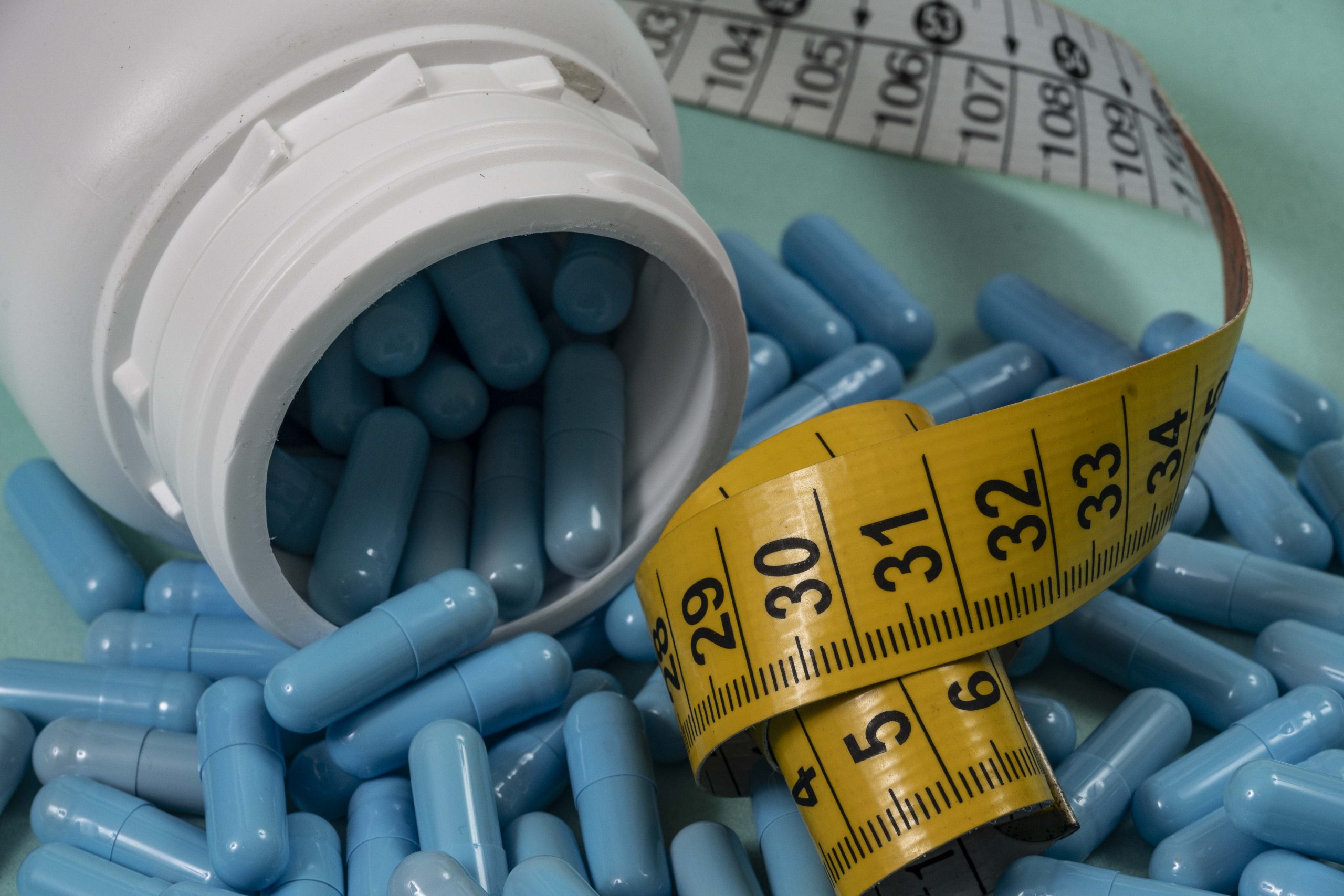
The catalyst for this shift is the rapid evolution of GLP-1 (glucagon-like peptide-1) receptor agonists. While drugs like Ozempic and Wegovy have already disrupted the healthcare and food sectors, the pharmaceutical industry is now on the cusp of releasing high-efficacy weight loss treatments in pill form. Novo Nordisk has already secured regulatory milestones for oral versions of its obesity treatments, and Eli Lilly is expected to follow suit shortly. By eliminating the "needle barrier"—the psychological and logistical hurdle of self-injection—analysts predict a massive surge in adoption. Projections suggest that the market for these drugs could reach $100 billion by 2030, with tens of millions of people worldwide potentially using them to manage their weight.
From a physics perspective, the relationship between weight and fuel burn is linear and unforgiving. Investment firm Jefferies recently highlighted that a 10% reduction in average passenger weight could translate into a total aircraft weight reduction of approximately 2%. While 2% may sound negligible to a layperson, in the context of commercial aviation, it is a monumental figure. A 1% reduction in total aircraft weight typically yields a 0.75% improvement in fuel efficiency. Consequently, a 10% lighter passenger load could result in fuel savings of roughly 1.5%.
To understand the scale of these savings, one must look at the operating costs of major carriers. For the "Big Four" U.S. airlines—American, Delta, United, and Southwest—fuel is consistently the largest or second-largest operating expense, often accounting for 20% to 25% of total costs. In 2026, these four carriers are projected to consume approximately 16 billion gallons of jet fuel. At an estimated average price of $2.41 per gallon, their collective fuel bill would hover around $39 billion. A 1.5% reduction in that bill would return nearly $600 million directly to the bottom line, requiring no capital expenditure or operational changes from the airlines themselves.
The impact on earnings per share (EPS) is even more dramatic due to the high operating leverage inherent in the airline business. Financial modeling suggests that a 2% decline in average passenger weight could boost EPS across the major carriers by an average of 4%. American Airlines, which operates with higher leverage and a sensitive cost structure, could see an EPS jump as high as 11.7%. United and Southwest could see gains of 3.5% and 4.2%, respectively, while Delta’s more diversified revenue streams might result in a 2.8% boost.
The technical specifications of modern aircraft further illustrate why passenger weight is such a critical variable. Consider the Boeing 737 Max 8, a workhorse of modern narrow-body fleets. The aircraft has an "Operating Empty Weight" of roughly 99,000 pounds—this is the weight of the plane itself, including the crew and fluids, but excluding fuel and payload. The maximum takeoff weight is strictly limited. Within that limit, the airline must balance fuel, cargo, and passengers. In a standard two-class configuration, 178 passengers weighing an average of 180 pounds account for about 32,000 pounds of the payload. If those passengers collectively lose 3,200 pounds due to the widespread use of GLP-1 drugs, that weight "credit" can be used in two ways: it can either reduce the fuel required for the trip or allow the airline to carry more high-margin cargo without increasing fuel burn.
This "passive" weight loss comes at a time when airlines have exhausted many of their traditional "active" weight-saving options. In 2018, United Airlines famously began printing its Hemispheres in-flight magazine on lighter paper stock. This change, which saved just one ounce per magazine, was estimated to save 170,000 gallons of fuel annually, worth nearly $300,000 at the time. If an ounce of paper can save hundreds of thousands of dollars, the removal of several pounds per passenger across millions of flights represents a paradigm shift in operational efficiency.
Beyond the immediate financial gains, there is a significant environmental and regulatory dimension to this trend. The aviation industry is under intense pressure to reach "Net Zero" carbon emissions by 2050. While much of the focus is on Sustainable Aviation Fuel (SAF) and hydrogen propulsion—technologies that remain expensive and difficult to scale—reducing the actual weight of the aircraft is the most direct way to lower carbon dioxide emissions. A lighter plane burns less fuel, and less fuel burn means fewer metric tons of CO2 released into the atmosphere. For airlines navigating the Carbon Offsetting and Reduction Scheme for International Aviation (CORSIA), a slimmer passenger base provides a "free" reduction in their carbon footprint, helping them meet ESG (Environmental, Social, and Governance) targets that are increasingly important to institutional investors.
The economic ripple effects of the GLP-1 revolution extend far beyond the hangar. While the food and beverage industry faces potential headwinds as caloric intake drops, the transportation sector stands to gain. However, the benefits are not distributed equally. Domestic U.S. carriers may see the earliest impact, given that the United States currently has higher obesity rates and faster pharmaceutical adoption than many European or Asian markets. Yet, as global healthcare systems begin to subsidize these drugs to prevent long-term chronic conditions like type 2 diabetes and heart disease, the "weight loss dividend" for airlines will likely go global.
Market analysts are also monitoring how this might influence aircraft design. Historically, the trend toward a heavier population forced seat manufacturers to design wider, reinforced seats, which added weight and reduced the number of seats that could fit in a cabin. If the demographic trend reverses, manufacturers might eventually be able to return to lighter seat designs or reconfigure cabin densities to further optimize revenue per available seat mile (RASM).
While the timeline for these savings is gradual—relying on the multi-year rollout of oral pills and the slow shift in societal health—Wall Street is already pricing in the long-term benefits. The "GLP-1 effect" is being viewed as a structural hedge against volatile energy prices. Even if jet fuel prices spike due to geopolitical instability, a lighter fleet provides a permanent buffer that protects margins.
Ultimately, the rise of weight loss pills represents a rare "win-win" in the complex world of global economics. For the public, it offers a path toward improved health and longevity. For the airlines, it offers a path toward a leaner, more sustainable, and significantly more profitable future. As the pharmaceutical industry moves from injections to daily pills, the aviation industry may find that its most effective fuel-saving strategy wasn’t found in a laboratory or an engine factory, but in the medicine cabinets of its passengers.