

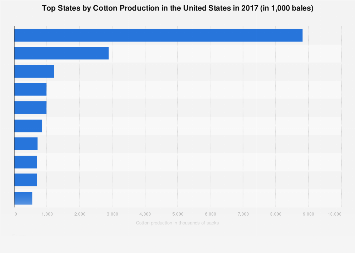
In 2017, the United States solidified its position as a pivotal player in the global cotton market, with a handful of states spearheading production and significantly influencing both domestic supply chains and international trade flows. While the industry has evolved considerably since then, understanding the geographical distribution of cotton output in this pivotal year offers valuable insights into the enduring agricultural landscape, the economic contributions of the sector, and the factors that underpin regional specialization. This analysis delves into the state-by-state production figures from 2017, exploring the implications for the broader agricultural economy and the cotton industry at large.
The U.S. cotton industry, a cornerstone of American agriculture, is characterized by its vast scale and its deep roots in specific geographical regions. The fertile soils, favorable climatic conditions, and established infrastructure in these areas have cultivated a highly productive sector. In 2017, the aggregate output from these key cotton-producing states not only met domestic demand for textiles and other cotton-based products but also contributed substantially to the nation’s export portfolio, underscoring the strategic importance of cotton cultivation to the U.S. economy.
Delving into the 2017 data reveals a clear hierarchy of production among the cotton-growing states. While precise figures require access to premium statistical databases, the general understanding based on historical trends and industry reports points to a consistent dominance by a core group of states. Texas, historically the undisputed leader, typically accounts for a significant portion of the total U.S. cotton harvest. Its expansive agricultural land and diverse microclimates allow for a broad range of cotton varieties and cultivation practices, making it a formidable force in the market. The sheer volume produced in Texas often dictates broader market trends and influences pricing.
Following Texas, other major cotton-producing states in 2017 likely included Georgia, Mississippi, Arkansas, and Alabama, forming the heart of the "Cotton Belt." These states benefit from a combination of factors, including rich alluvial soils in many regions, ample rainfall or access to irrigation, and a long growing season. The economic impact of cotton production in these states extends far beyond the farm gate. It supports a complex ecosystem of related industries, including ginning operations, seed and chemical suppliers, equipment manufacturers and dealers, logistics providers, and textile mills. The employment generated by these sectors is substantial, providing livelihoods for thousands of individuals and contributing significantly to the rural economies of these states.
The economic ripple effect of cotton production is multifaceted. For instance, the revenue generated from cotton sales directly impacts farm incomes, influencing investment decisions in new equipment, technology, and land improvements. This, in turn, stimulates demand for goods and services from other sectors. Furthermore, the presence of a robust cotton industry can attract further investment in downstream processing and manufacturing, fostering a more integrated and value-added agricultural economy. The export of raw cotton also contributes positively to the U.S. trade balance, generating foreign exchange earnings and reinforcing America’s competitive edge in global agricultural markets.
Global comparisons further illuminate the significance of U.S. cotton production. In 2017, the United States was one of the world’s largest cotton producers, alongside countries like India, China, and Brazil. However, the U.S. industry often distinguishes itself through its high levels of mechanization, advanced farming techniques, and consistent quality, which are highly valued in the international market. The ability of U.S. farmers to produce large quantities of cotton efficiently and reliably makes the nation a crucial supplier for textile manufacturers worldwide. Disruptions in U.S. production, whether due to weather events or policy changes, can have noticeable impacts on global cotton prices and availability.
Several factors influence year-to-year variations in state-level cotton production. Weather patterns are paramount. Drought conditions, excessive rainfall, or unseasonable frosts can significantly reduce yields and alter the geographical distribution of output. For example, a severe drought in Texas could lead to a larger proportional contribution from states like Mississippi or Georgia in a given year. Conversely, favorable weather across the Cotton Belt can result in record harvests. Technological advancements, including the development of more resilient and higher-yielding cotton varieties, improved irrigation techniques, and precision agriculture tools, also play a role in shaping production capabilities and potentially shifting regional strengths over time.
Market dynamics, including global demand, commodity prices, and government policies, also exert considerable influence. Fluctuations in the price of cotton on international exchanges can impact planting decisions. If prices are high, farmers may dedicate more acreage to cotton. Conversely, if prices are low, they might opt for alternative crops. U.S. agricultural policies, such as crop insurance programs and subsidies, can also provide a safety net for farmers and influence their risk management strategies, indirectly affecting production levels. The trade policies of both the U.S. and its trading partners can also shape export volumes and, consequently, the incentives for domestic production.
The data from 2017, while a snapshot in time, serves as a valuable reference point for understanding the structural underpinnings of U.S. cotton production. It highlights the critical role of states with favorable agricultural conditions and established infrastructure. The economic contributions are not merely statistical outputs but represent tangible economic activity that supports communities, generates employment, and bolsters the nation’s position in the global agricultural trade arena. As the industry continues to adapt to evolving environmental challenges, technological innovations, and market demands, analyzing historical production patterns remains essential for forecasting future trends and appreciating the enduring significance of the American cotton farmer. The story of cotton production by state in 2017 is, therefore, a narrative of agricultural prowess, economic resilience, and the intricate connections that bind a vital commodity to the land and to the global marketplace.