
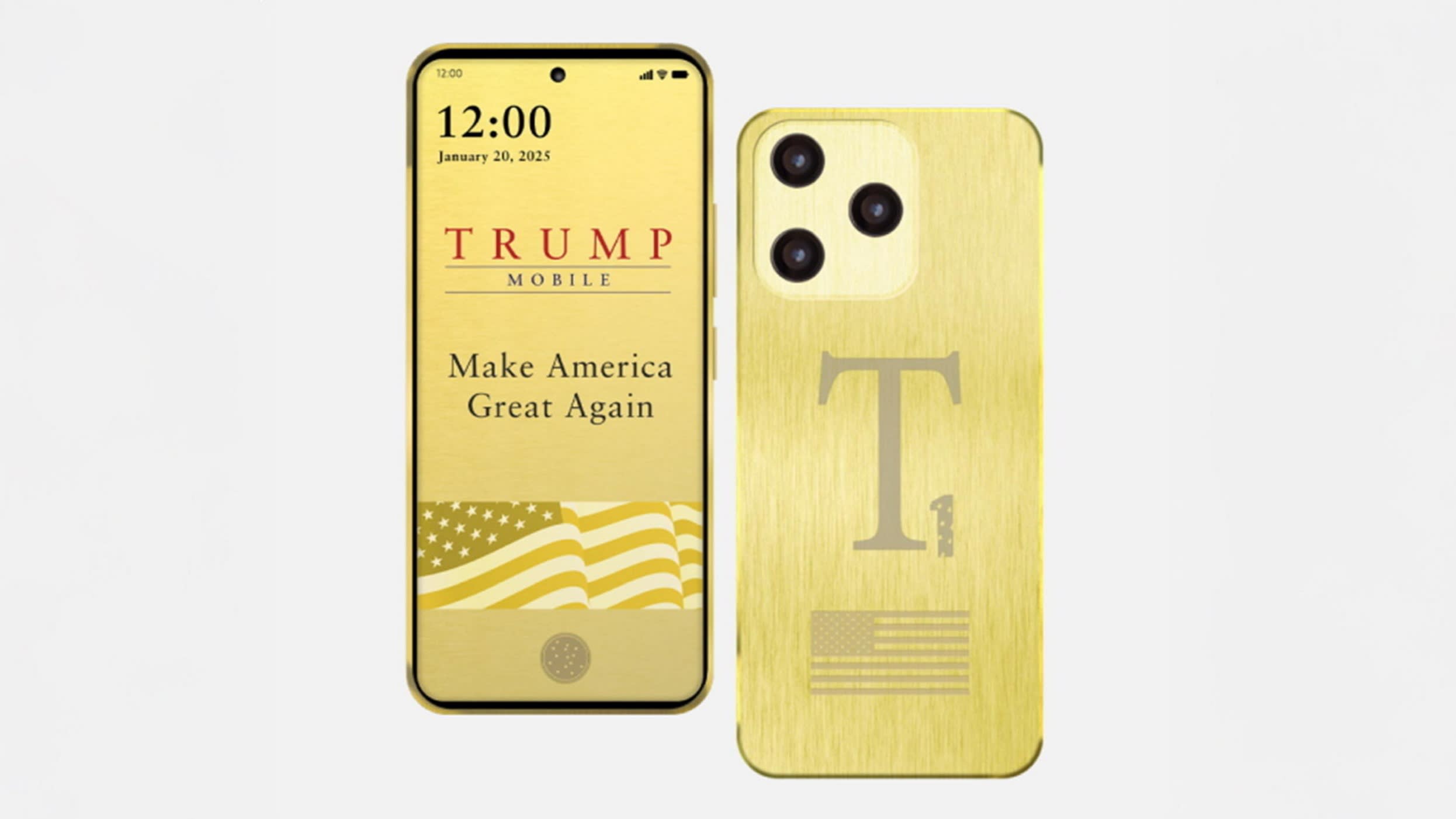
The ambitious foray into the premium telecommunications sector by the Trump-branded consumer electronics division has encountered a significant tactical setback, as the company officially postponed the highly anticipated launch of its signature gold-colored smartphone. Originally slated for a high-profile release in the final quarter of this year, the device—designed to serve as a centerpiece of a broader ecosystem of conservative-leaning technology products—will now remain in the developmental pipeline until at least 2025. This delay underscores the formidable barriers to entry in the global smartphone market, a landscape currently defined by tightening margins, hardware saturation, and a complex geopolitical manufacturing environment.
Industry analysts suggest that the decision to halt the rollout is a multifaceted one, involving a combination of technical refinement needs and a strategic recalibration of the brand’s market positioning. The "Trump Phone" was envisioned not merely as a communication tool but as a luxury lifestyle statement, featuring a distinct aesthetic characterized by a high-gloss gold finish that mirrors the visual language of the former president’s real estate and hospitality empire. However, translating the luster of luxury branding into the high-precision world of consumer electronics presents unique engineering hurdles. Achieving a durable, premium metallic finish that meets modern standards for heat dissipation and signal transparency is a notoriously difficult process in hardware manufacturing, often requiring specialized physical vapor deposition (PVD) techniques that can face production bottlenecks.
The postponement comes at a time when the global smartphone market is navigating a period of profound transition. After several years of stagnant growth, the industry has seen a bifurcated recovery: while entry-level and mid-range segments remain price-sensitive, the "ultra-premium" segment—handsets priced above $800—has shown remarkable resilience. According to recent data from Counterpoint Research, the premium segment now accounts for nearly 25% of global smartphone sales and a staggering 60% of total industry revenue. By targeting this niche with a gold-themed flagship, Trump Mobile aims to capture a slice of a market currently dominated by the Apple-Samsung duopoly. However, breaking into this tier requires more than just brand recognition; it demands a seamless integration of hardware, software, and security—a "holy trinity" that has eluded many celebrity-backed tech ventures in the past.
Economic observers point to the broader "Alt-Tech" movement as the contextual backdrop for this launch. Over the past three years, a parallel economy of hardware and software has emerged, catering to consumers who feel alienated by the perceived political biases of Silicon Valley giants. This movement has seen the rise of platforms like Truth Social and Rumble, as well as previous hardware attempts like the "Freedom Phone." Unlike those earlier efforts, which were often criticized as rebranded low-cost handsets from overseas manufacturers, the Trump Mobile project has been marketed as a more bespoke, high-end offering. The delay suggests a desire to avoid the quality-control pitfalls that plagued previous ideological tech launches, emphasizing a more rigorous "go-to-market" strategy that prioritizes product stability over political timing.
From a supply chain perspective, the delay reflects the ongoing volatility in the global semiconductor and component markets. While the extreme shortages of the pandemic era have largely abated, the lead times for specialized components—such as high-resolution OLED displays and advanced camera sensors—remain susceptible to disruption. Furthermore, the "America First" branding associated with the Trump name creates a complex manufacturing calculus. Building a smartphone entirely within the United States remains an economically prohibitive endeavor due to the lack of a domestic component ecosystem. Consequently, the venture must navigate the delicate optics of globalized manufacturing while maintaining a brand identity rooted in national industrial resurgence. This tension often results in longer development cycles as firms vet suppliers who can meet both technical specifications and brand-aligned sourcing requirements.
The financial implications of the delay are significant for the brand’s expansion plans. In the world of consumer electronics, momentum is a critical currency. A late-year launch is traditionally designed to capitalize on the holiday shopping surge and the heightened media attention surrounding the fourth quarter. By pushing the release into the next calendar year, Trump Mobile risks losing the initial buzz generated by its announcement. However, some market strategists argue that the delay could be a blessing in disguise. By launching in 2025, the company may find a more stable interest rate environment and a consumer base with more disposable income, provided that inflationary pressures continue to cool.
Furthermore, the software component of the device remains a critical point of interest for industry watchers. To truly differentiate itself from the sea of Android-based competitors, the Trump Mobile device would likely need to offer a customized user interface or a suite of proprietary applications. Developing a "hardened" version of the Android Open Source Project (AOSP) that ensures privacy and resists de-platforming is a resource-intensive task. Software engineers note that creating a bug-free, secure operating system that supports the full range of modern applications—while maintaining a unique brand identity—requires months of "soak testing" and iterative updates. The current delay may be a direct result of these software optimization needs, as a buggy launch could permanently damage the brand’s credibility in the tech space.
The competitive landscape that Trump Mobile will eventually enter is more crowded than ever. Beyond the tech giants, a new wave of "luxury-tech" startups is attempting to revive the spirit of the defunct Vertu brand, which once sold jewel-encrusted handsets to the global elite for tens of thousands of dollars. While the Trump Phone is expected to be more accessible than a Vertu, it occupies a similar psychological space: the phone as a totem of identity. In an era where the smartphone is the most personal object an individual owns, the aesthetic choice of a gold-colored device serves as a powerful signal of tribal affiliation and economic status.
Expert analysis suggests that the success of the device will ultimately hinge on its ability to transcend its niche. While the core "MAGA" base provides a ready-made audience of millions, long-term viability in the hardware sector requires a product that can stand on its own merits. This means the device must offer competitive battery life, camera quality, and processing power that rivals the iPhone 15 Pro or the Samsung Galaxy S24. If the delay allows Trump Mobile to bridge the gap between "merchandise" and "high-tech hardware," it may yet find a sustainable path forward.
As the company retreats to the drawing board for the remainder of the year, the tech industry will be watching closely for signs of a revised roadmap. The postponement is a stark reminder that in the world of silicon and glass, brand power alone is insufficient to overcome the laws of physics and the complexities of global trade. The "Gold Standard" that the company aspires to will require not just a shiny exterior, but a robust internal architecture that can withstand both the scrutiny of tech critics and the demands of a discerning public. For now, the gold-colored smartphone remains a symbol of ambition deferred, waiting for the right moment to make its mark on a digital world that is increasingly polarized yet technologically demanding. The coming months will determine whether this pause is a sign of a project in trouble or the measured silence of a brand preparing for a more disciplined and impactful entry into the mobile arena.