

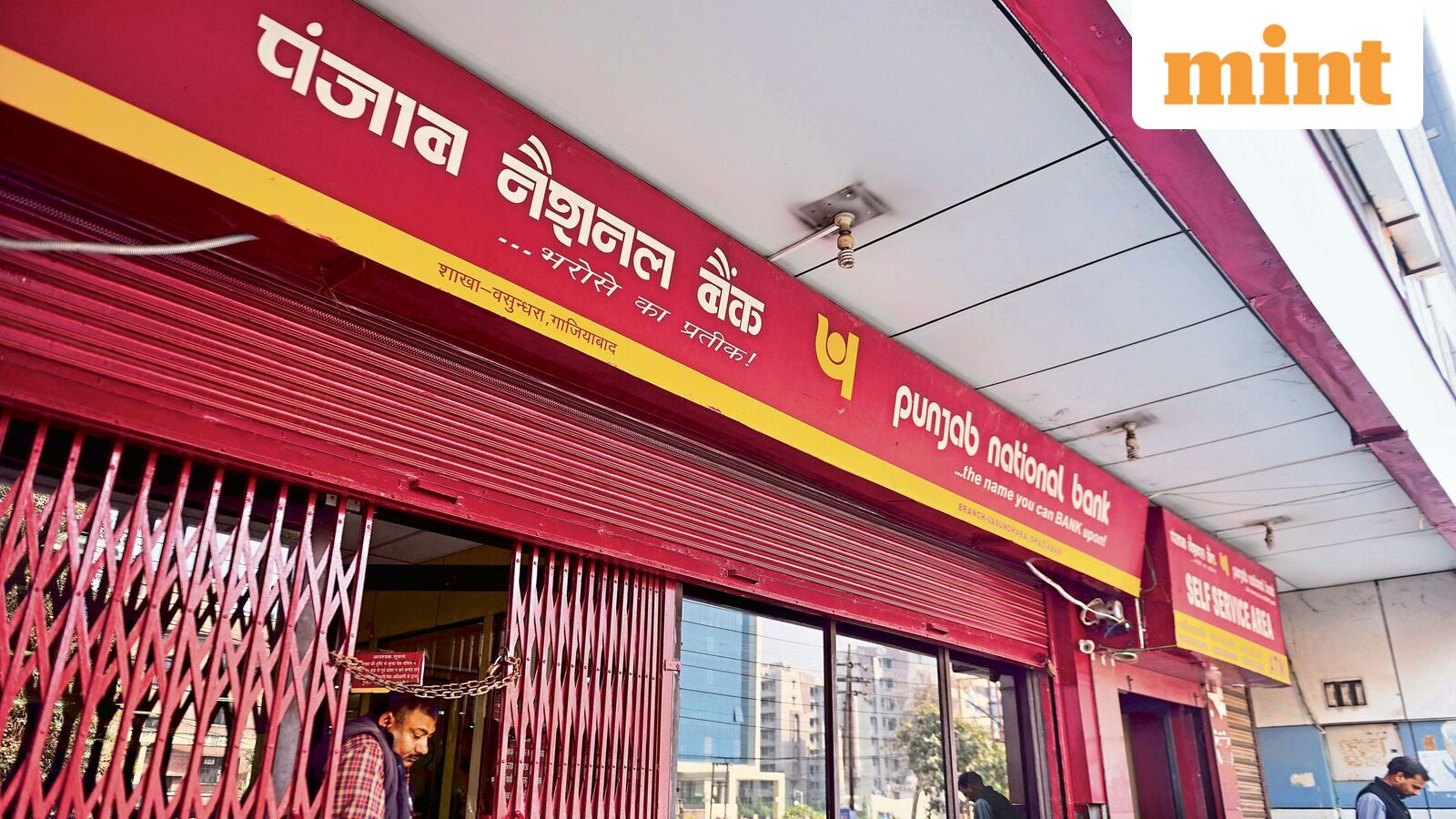
As the new year dawns, India’s financial landscape prepares for a series of significant disruptions to conventional banking operations, with scheduled closures projected to affect various regions for up to 16 days throughout January 2026. This extensive calendar, meticulously outlined by the Reserve Bank of India (RBI), underscores the intricate balance between cultural observance and economic continuity within the nation’s diverse federal structure. While the headline figure of "16 days" might suggest a nationwide banking paralysis, it is crucial to understand that these closures are not uniformly applied; rather, they represent an aggregation of national holidays, state-specific festivals, and regular weekend observances that vary considerably from one locale to another.
The Reserve Bank of India, as the central banking institution, plays a pivotal role in maintaining financial stability and publishes an annual holiday calendar that guides scheduled commercial banks, including major players like State Bank of India (SBI), ICICI Bank, and HDFC Bank. These holidays are typically categorized under the Negotiable Instruments Act, the Real-Time Gross Settlement Holiday, and banks’ Closing of Accounts. The January 2026 calendar incorporates a blend of these, ensuring that while certain days mark universal non-banking periods, many others are dictated by regional traditions and festivities.
A cornerstone of these closures is Republic Day, celebrated on January 26th, which stands as a national holiday observed across all states and Union Territories. On this day, every bank branch in India will remain shut, reflecting the country’s collective remembrance of its constitutional establishment. Beyond this, a tapestry of regional festivals contributes to the varied closure schedules. January often hosts significant cultural events such as Makar Sankranti, a harvest festival celebrated with different names and customs across numerous states, from Pongal in the south to Magh Bihu in the northeast. Other observances, depending on the lunar calendar, might include Vasant Panchami or Saraswati Puja, which occasionally fall within late January, particularly in eastern and northern regions, further diversifying the holiday map.
Compounding these festive and national closures are the regular weekend off-days. India’s banking system observes Sundays as standard holidays, alongside the second and fourth Saturdays of every month. When these weekend breaks align with regional or national festivities, they can create extended periods of non-operation, effectively stretching a single holiday into a long weekend for banking staff and customers alike. This cumulative effect is what drives the "up to 16 days" figure, illustrating a complex patchwork of banking accessibility across the subcontinent.
The economic implications of such widespread, albeit staggered, bank closures are multifaceted. For businesses, particularly the vast network of Micro, Small, and Medium Enterprises (MSMEs) that form the backbone of the Indian economy, extended bank holidays can pose significant operational challenges. While large corporations often have robust digital payment systems and credit lines that mitigate some impact, smaller businesses heavily reliant on cash transactions, direct bank transfers for payroll, vendor payments, or urgent credit disbursements can face liquidity crunches. An estimated daily transaction value of several trillion Indian Rupees flows through the banking system; even a partial disruption can create ripple effects across supply chains and market liquidity, especially in sectors with tight working capital cycles.

Consumers, too, must navigate these closures with forethought. While the proliferation of ATMs and the exponential growth of digital payment platforms like UPI (Unified Payments Interface), NEFT (National Electronic Funds Transfer), and IMPS (Immediate Payment Service) have significantly reduced reliance on physical bank branches, the need for cash withdrawals or in-person services persists. Many still prefer visiting a branch for complex transactions, loan applications, or resolving specific account issues. This reliance is particularly pronounced in semi-urban and rural areas, where digital literacy might be lower, internet connectivity less reliable, and physical branches remain vital conduits for financial inclusion.
Indeed, the rise of digital banking has been a game-changer in mitigating the impact of physical branch closures. India has witnessed an unprecedented surge in digital transactions, with UPI alone processing billions of transactions monthly, far surpassing traditional payment methods. This digital infrastructure ensures that funds can still be transferred, bills paid, and e-commerce transactions completed even when bank branches are shut. For urban dwellers and digitally savvy individuals, the impact of these holidays on day-to-day financial activities is considerably less than a decade ago. However, the digital divide remains a critical consideration; a significant portion of the population, especially those in remote areas or older demographics, still relies heavily on conventional banking channels.
From a broader financial market perspective, the direct impact of retail bank holidays is generally limited, as critical interbank operations, treasury functions, and stock market settlements often operate on separate calendars or have contingency mechanisms. However, prolonged closures, particularly those affecting major financial hubs, could theoretically influence short-term liquidity management for banks or alter payment settlement cycles, requiring careful coordination by the RBI and financial institutions. Global comparisons reveal varying approaches: while many developed economies also observe public holidays, their financial systems often lean more heavily on 24/7 digital infrastructure, or they have more standardized national holidays with fewer regional variations impacting core banking.
For both businesses and individuals, proactive planning becomes paramount. Businesses are advised to schedule payments and receivables well in advance, maintain adequate cash reserves, and leverage digital payment solutions wherever possible. Consumers should plan cash withdrawals, ensure timely bill payments via online channels, and familiarize themselves with the specific holiday calendar for their region. Banks, for their part, often enhance their digital support services and ensure ATMs are adequately stocked during such periods to minimize customer inconvenience.
Looking ahead, the ongoing digitalization of India’s economy suggests a future where physical bank closures might have progressively diminishing economic friction. As fintech innovations continue to integrate seamlessly into daily life, and as financial literacy improves across demographics, the distinction between a "working day" and a "holiday" for many routine financial transactions may become increasingly blurred. However, the cultural significance of these holidays remains deeply ingrained in India’s social fabric, presenting an enduring challenge for policymakers to balance tradition with the imperatives of a rapidly modernizing, 24/7 global economy. The January 2026 holiday calendar serves as a timely reminder of this intricate interplay, urging both the financial sector and its users to embrace adaptability and leverage technological advancements to ensure seamless financial operations despite scheduled pauses.