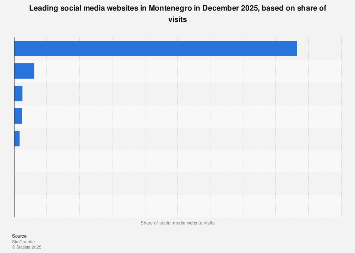
The digital terrain of Montenegro is poised for continued evolution, with an increasing reliance on social media platforms shaping both personal and commercial interactions. As businesses and individuals navigate this dynamic environment, understanding the prevailing trends in social media usage becomes paramount for strategic planning and market penetration. Projections for 2025 indicate a solidification of existing platform hierarchies, with specific sites expected to maintain or expand their significant share of user engagement. This anticipated landscape reflects broader global digital trends, including the persistent appeal of visual content, the rise of short-form video, and the ongoing integration of social media into e-commerce and influencer marketing.
While precise, real-time granular data for every nation can be elusive, industry analysis and aggregated data from global digital intelligence firms provide a robust framework for understanding potential shifts. Platforms like Facebook, Instagram, and TikTok are consistently at the forefront of user engagement globally. In Montenegro, these platforms are likely to continue their dominance, driven by their diverse functionalities, extensive user bases, and the constant influx of new content and features. Facebook, with its established network and community-building capabilities, remains a cornerstone for many users, facilitating personal connections and group interactions. Its continued relevance is underpinned by its broad demographic appeal, encompassing a wide age range of users.
Instagram’s visual-centric approach, emphasizing high-quality imagery and short video formats through Stories and Reels, continues to attract a significant and often younger demographic. Its appeal to influencers and brands looking to showcase products and services visually makes it a critical component of Montenegro’s digital marketing ecosystem. The platform’s ongoing development of e-commerce features, such as shoppable posts and integrated checkout, further solidifies its commercial importance. As brands increasingly seek direct engagement with consumers, Instagram’s ability to foster visual storytelling and facilitate transactions will likely see its share of user attention grow.
TikTok’s meteoric rise globally has not bypassed Montenegro. The platform’s algorithmically driven feed, focus on short-form, engaging video content, and trend-based challenges have captured the attention of younger generations. Its rapid expansion suggests it will continue to be a significant player, potentially challenging established platforms for user time and engagement, particularly among Gen Z and younger millennials. Businesses looking to tap into these demographics are increasingly allocating resources to TikTok marketing strategies, leveraging its viral potential and creative freedom. The platform’s ability to foster a sense of community around shared interests and trends further enhances its stickiness.
Beyond these dominant players, other platforms also hold distinct positions within Montenegro’s social media ecosystem. LinkedIn, the professional networking platform, remains indispensable for career development, B2B marketing, and industry insights. While its user base may be smaller than that of mainstream social networks, its influence within the business community is substantial. Companies operating in Montenegro, and those looking to establish a presence, recognize the value of LinkedIn for recruitment, lead generation, and brand positioning within the professional sphere. The platform’s emphasis on industry news, expert opinions, and networking opportunities makes it a vital tool for economic actors.
Twitter (now X) continues to serve as a real-time news and discussion hub. Its utility for rapid dissemination of information, public discourse, and customer service interactions makes it a relevant, albeit perhaps niche, platform for certain segments of the Montenegrin population and specific industries. Its role in public opinion formation and as a channel for immediate feedback ensures its continued, albeit evolving, presence. The platform’s transformation under new ownership may lead to shifts in its user experience and content moderation policies, which could, in turn, influence its engagement levels.
YouTube, as the world’s largest video-sharing platform, maintains a strong presence. It serves not only as a source of entertainment and educational content but also as a critical platform for brands to deploy longer-form video marketing, tutorials, and brand storytelling. Its search engine-like functionality also means it plays a significant role in information discovery for Montenegrin users. The continued growth of video content consumption across all demographics suggests YouTube’s importance will remain robust.
The economic implications of these social media trends for Montenegro are far-reaching. The rise of influencer marketing, particularly on platforms like Instagram and TikTok, has created new avenues for revenue generation for individuals and small businesses. These influencers, by leveraging their audience reach, can drive significant sales and brand awareness for local and international companies. This shift in advertising spend from traditional media to digital and social channels necessitates a continuous adaptation of marketing strategies by Montenegrin businesses.
Furthermore, the integration of social commerce features on platforms like Facebook and Instagram is transforming the retail landscape. Consumers in Montenegro, much like their global counterparts, are increasingly making purchasing decisions directly through social media interfaces, blurring the lines between social interaction and online shopping. This trend presents both opportunities and challenges for traditional retailers, requiring them to enhance their online presence and digital customer service capabilities.
The data analytics sector, as exemplified by market research firms, plays a crucial role in dissecting these digital behaviors. Companies that specialize in tracking social media usage provide invaluable insights into user demographics, engagement patterns, and platform popularity. This data is instrumental for businesses seeking to optimize their digital marketing budgets, tailor their content strategies, and identify emerging market opportunities. For instance, understanding which platforms are most effective for reaching specific age groups or interest segments in Montenegro allows for more efficient allocation of advertising resources.
While specific figures for Montenegro’s social media share in 2025 are projections, the underlying drivers are clear. Increased internet penetration, growing smartphone adoption, and the inherent appeal of digital connectivity will continue to fuel social media engagement. The challenge for businesses and policymakers in Montenegro will be to harness this digital energy for economic growth, foster digital literacy, and ensure a safe and productive online environment. As the digital landscape continues to evolve at a rapid pace, staying abreast of these social media trends will be critical for sustained success in Montenegro’s increasingly interconnected economy. The ability to adapt to new platforms, understand evolving user behaviors, and leverage the commercial potential of these digital spaces will define the competitive edge for businesses in the years to come.