

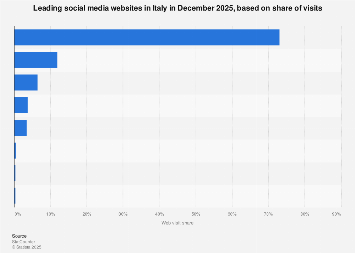
As of December 2025, the Italian social media ecosystem is overwhelmingly dominated by two giants: Facebook and Instagram. Data compiled for the close of the year indicates that Facebook commands the largest market share, capturing a significant portion of user engagement and traffic across the nation. This sustained dominance underscores Facebook’s enduring appeal and its ability to remain a central hub for social interaction, news consumption, and community building within Italy.
Following closely behind, Instagram has solidified its position as the second most influential social platform. Its visual-first approach, catering to trends in photography, short-form video, and influencer marketing, continues to resonate strongly with the Italian demographic. The platform’s ability to adapt to evolving user preferences, particularly among younger demographics, has been a key driver of its consistent performance.
While specific figures remain proprietary, industry analysis suggests that Facebook’s share of visits is substantial, likely reflecting its broad user base spanning various age groups and its multifaceted functionality, which extends beyond simple social networking to include marketplace features, groups, and news aggregation. Instagram’s impressive second-place standing points to its success in capturing the attention of a digitally-native audience and its growing importance for brands seeking to connect with consumers through visually compelling content.
The landscape of social media in Italy is characterized by a high degree of concentration at the top. This duopoly, with Facebook and Instagram leading the pack, has implications for digital marketing strategies, content creation, and the overall flow of information and commerce online. Brands and advertisers are compelled to prioritize these platforms to achieve maximum reach and engagement, adjusting their campaigns to leverage the unique strengths of each.
The continued strong performance of these Meta-owned platforms is occurring within a dynamic global digital environment. Worldwide, social media usage remains a cornerstone of daily life for billions, with platforms constantly innovating to retain user attention and introduce new features. In Italy, this global trend is mirrored, albeit with a distinct national flavor shaped by local cultural nuances and digital adoption rates.
Beyond the top two, the competitive set for social media dominance in Italy includes a range of other platforms, each serving specific niches or demographics. While the exact ranking and market share for these secondary platforms are not publicly detailed, their presence is crucial to understanding the breadth of Italy’s digital social fabric. These include platforms known for professional networking, ephemeral messaging, video sharing, and emerging decentralized alternatives.
The economic impact of this social media concentration is considerable. Digital advertising spending in Italy, as in many developed economies, is heavily weighted towards social media channels. The ability of platforms like Facebook and Instagram to offer sophisticated targeting capabilities and measurable results makes them indispensable tools for businesses seeking to promote products and services. The revenue generated by these platforms through advertising directly contributes to the digital economy and supports a vast ecosystem of content creators, agencies, and marketing professionals.
Furthermore, the dominance of a few key players raises questions about market diversity and potential monopolistic concerns. While competition exists, the sheer scale and network effects enjoyed by Facebook and Instagram create significant barriers to entry for new platforms. Regulatory bodies and industry observers often monitor such market concentrations to ensure fair competition and protect consumer interests.
The Italian social media market, as reflected in the 2025 data, is not static. Trends in user behavior, technological advancements, and the emergence of new platforms can lead to shifts over time. Factors such as the increasing adoption of artificial intelligence in content personalization, the continued rise of short-form video, and evolving privacy concerns will likely shape the competitive dynamics in the years to come.
The data suggests that for businesses operating in or targeting the Italian market, a robust strategy involving Facebook and Instagram is essential. Understanding the nuances of each platform, from algorithmic preferences to audience demographics, is critical for effective campaign execution. The continued investment by Meta in these platforms, including new features and monetization opportunities, suggests they will remain central to Italy’s digital social landscape for the foreseeable future.
The broad accessibility and deep integration of Facebook and Instagram into the daily lives of Italians mean they serve not only as communication tools but also as significant sources of information, entertainment, and even commerce. This pervasive influence makes their market share a key indicator of the overall health and direction of Italy’s digital economy and its evolving social interactions. The ongoing analysis of these metrics provides valuable insights for marketers, policymakers, and anyone seeking to understand the intricate workings of the modern Italian consumer.