

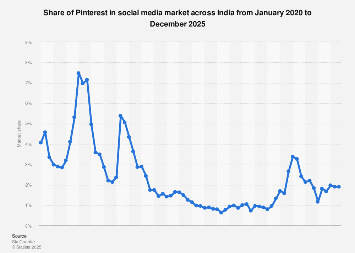
The Indian digital sphere is poised for significant evolution, with visual discovery platforms like Pinterest expected to solidify their presence and influence through 2025. As the nation’s internet penetration continues its upward climb and digital advertising budgets expand, platforms that facilitate inspiration, shopping, and idea generation are increasingly capturing consumer attention and advertiser investment. Pinterest, with its unique focus on visual curation and product discovery, stands as a key player in this burgeoning market, offering a distinct value proposition compared to traditional social media networks.
The Indian market for digital platforms is characterized by rapid growth and a diverse user base. With over 700 million internet users, India represents one of the largest and most dynamic digital economies globally. This demographic is increasingly mobile-first and visually oriented, making platforms like Pinterest a natural fit. The platform’s core functionality, which allows users to "pin" images and ideas to digital boards, translates effectively into a tool for planning everything from home décor and fashion to travel and culinary pursuits. This aspirational and practical application drives deep engagement, moving beyond passive consumption to active ideation and future planning.
For businesses, Pinterest in India presents a compelling opportunity to connect with consumers at a crucial stage of their purchasing journey – the inspiration and consideration phase. Unlike platforms primarily focused on social interaction or entertainment, Pinterest users often arrive with intent, actively seeking products, ideas, and solutions. This makes the platform a fertile ground for brands to showcase their offerings in an aesthetically pleasing and contextually relevant manner. Advertisers are increasingly recognizing this, allocating a growing share of their digital marketing spend to platforms that can deliver high-quality leads and drive measurable ROI.
The economic implications of Pinterest’s growth in India are multifaceted. For the e-commerce sector, Pinterest acts as a significant traffic driver and a visual catalog that can directly influence purchasing decisions. As more Indian consumers become comfortable with online shopping, the seamless integration of product discovery and purchase pathways on platforms like Pinterest becomes increasingly vital. This synergy is expected to contribute to the continued expansion of India’s already robust e-commerce market, which is projected to reach hundreds of billions of dollars in the coming years. Furthermore, the platform fosters a vibrant ecosystem for small businesses and individual creators, providing them with a low-barrier entry point to reach a broad audience and monetize their content or products.
While specific market size projections for Pinterest in India are proprietary, industry trends suggest a strong upward trajectory. Global data from similar platforms indicates that visual discovery is a significant driver of online behavior. As India’s digital advertising market matures, expected to cross the $15 billion mark in the coming years, platforms like Pinterest are positioned to capture a substantial share. The platform’s ability to offer detailed analytics and targeted advertising options further enhances its appeal to businesses seeking to optimize their marketing campaigns.
The competitive landscape in India’s digital space is intense, with global giants and burgeoning local players vying for user attention. However, Pinterest’s niche focus on visual inspiration and its utilitarian approach to planning and shopping differentiate it. While other social media platforms may offer visual content, Pinterest’s user journey is often more deliberate, centered around discovery and future intent rather than immediate social interaction. This distinction is crucial for advertisers looking to engage with consumers who are actively exploring options and making purchasing considerations.
Looking ahead to 2025, several factors will likely shape Pinterest’s market position in India. Continued improvements in internet infrastructure, particularly in Tier 2 and Tier 3 cities, will bring more users onto the platform. The increasing adoption of smartphones and the development of more localized content will further drive engagement. Moreover, Pinterest’s ongoing efforts to enhance its e-commerce features, such as shoppable pins and integrated checkout experiences, will be critical in capitalizing on India’s rapidly growing online retail market. The platform’s success will also depend on its ability to adapt to local cultural nuances and provide content that resonates with the diverse Indian audience.
The economic value generated by such platforms extends beyond direct advertising revenue. Pinterest contributes to job creation in digital marketing, content creation, and e-commerce logistics. It empowers entrepreneurs by providing them with tools to build and scale their businesses online. As India strives to become a more digitally integrated economy, platforms that facilitate inspiration, commerce, and entrepreneurship play a pivotal role in achieving these ambitions.
In conclusion, the trajectory for Pinterest in India towards 2025 appears to be one of sustained growth and increasing influence. Its unique positioning as a visual discovery engine, coupled with India’s dynamic digital landscape and expanding consumer base, creates a fertile ground for continued development. The platform’s ability to connect inspiration with commerce, empower businesses, and drive engagement positions it as a significant contributor to India’s evolving digital economy.