
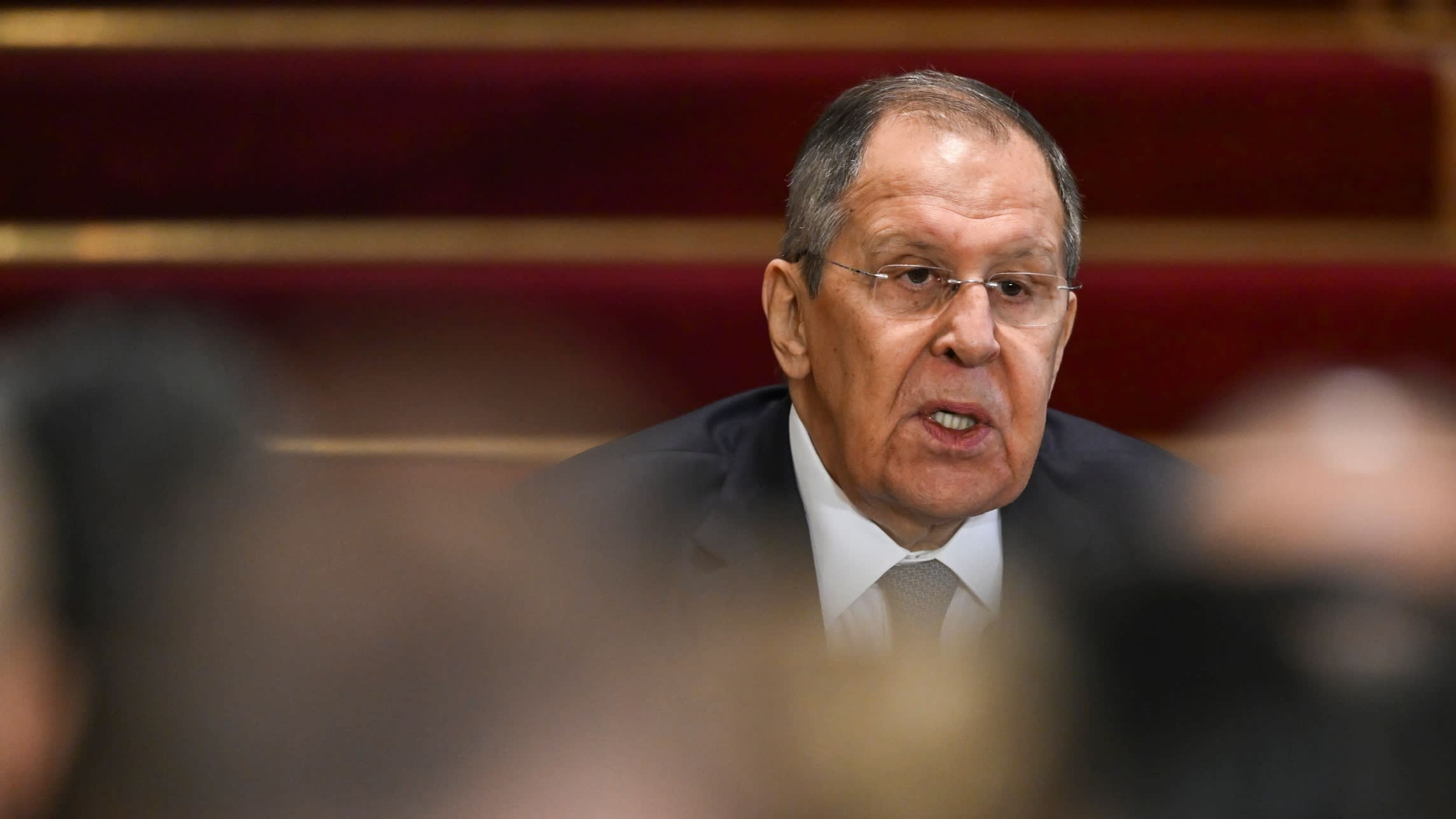
The diplomatic landscape surrounding the conflict in Eastern Europe has entered a period of profound volatility, characterized by a dual-track development of escalating rhetoric from the Kremlin and a strategic pivot by the Ukrainian administration toward the changing political reality in the United States. As Moscow intensifies its narrative that Kyiv is actively evading peace negotiations, President Volodymyr Zelenskyy is concurrently orchestrating a high-stakes outreach to former U.S. President Donald Trump. This convergence of events marks a critical juncture in the nearly three-year-old war, signaling a potential shift from a conflict defined by rigid ideological blocs to one influenced by transactional diplomacy and the looming specter of a second Trump presidency.
The Kremlin’s recent assertions that Ukraine is avoiding the negotiating table represent a calculated effort to seize the moral high ground in the eyes of the Global South and certain European factions weary of prolonged hostilities. Russian officials have consistently argued that the legal decree signed by Zelenskyy in 2022, which prohibits negotiations with the current Russian leadership, remains the primary obstacle to a ceasefire. However, international analysts view these claims as a strategic maneuver designed to preempt any new diplomatic initiatives that might emerge from Washington. By framing Ukraine as the "intransigent" party, Moscow seeks to erode the cohesion of Western support and pressure Kyiv into a settlement that would likely involve significant territorial concessions.
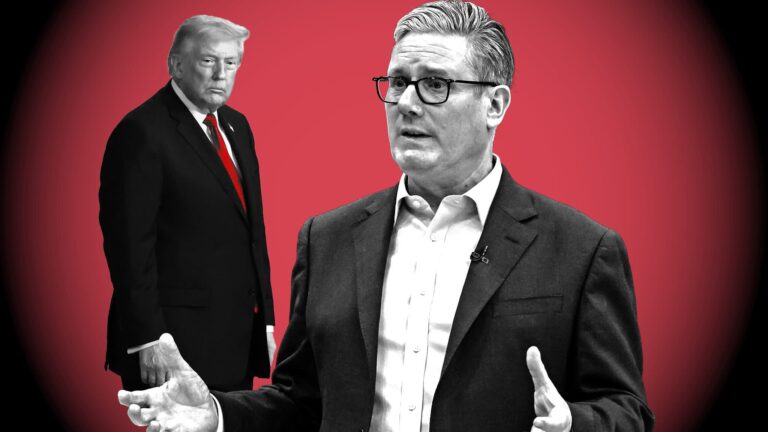
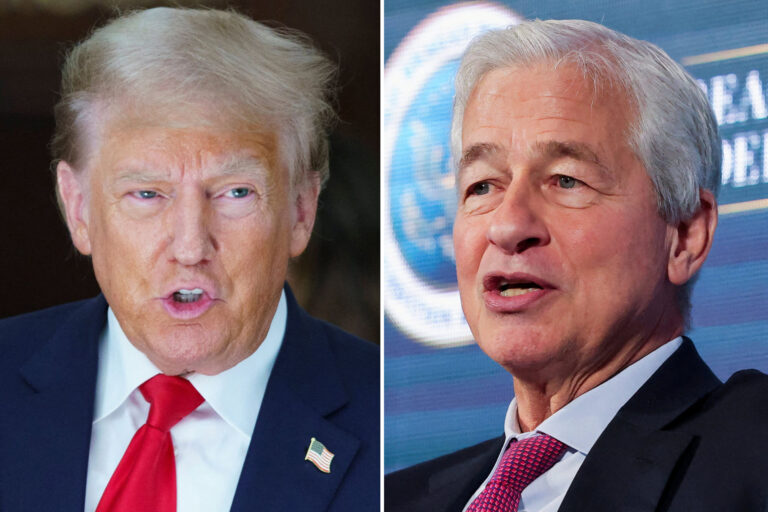
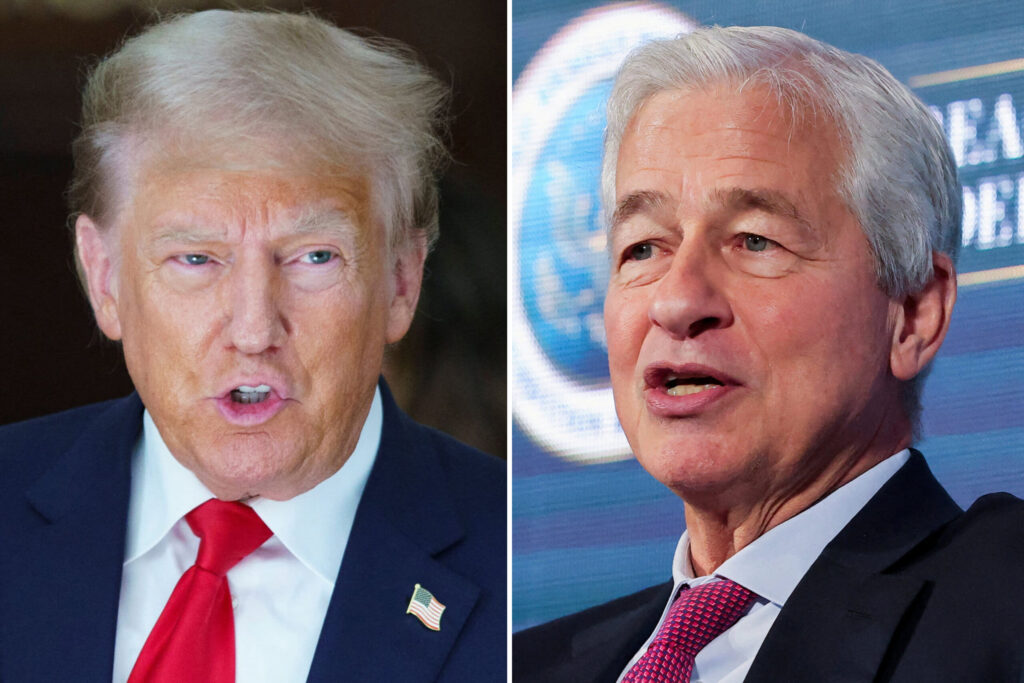
This rhetorical offensive coincides with a pivotal moment in American domestic politics. President Zelenskyy’s move to secure a direct audience with Donald Trump underscores a pragmatic realization within the Ukrainian leadership: the future of U.S. military and financial aid is no longer a bipartisan certainty. With the 2024 U.S. presidential election approaching, the possibility of a shift in the White House has forced Kyiv to hedge its bets. Trump has frequently claimed he could resolve the conflict within 24 hours, often suggesting a reduction in the billions of dollars of aid that have sustained the Ukrainian defense. For Zelenskyy, the objective of such a meeting is not merely to maintain current levels of support, but to shape the narrative of what a "Trump-brokered peace" might actually look like, ensuring it does not result in a total capitulation to Russian demands.
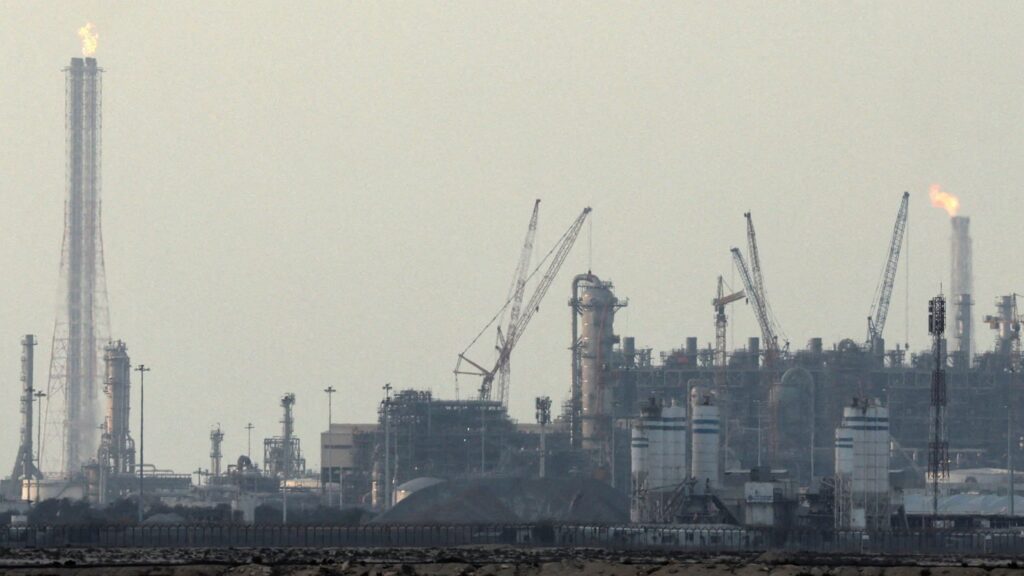
The economic dimensions of this diplomatic maneuvering are vast and multifaceted. Since February 2022, the global economy has been forced to adapt to a reality of fractured supply chains and energy insecurity. The European Union, once heavily dependent on Russian natural gas, has undergone a radical transformation, pivoting toward American Liquefied Natural Gas (LNG) and accelerated renewable energy investments. However, this transition has come at a high cost. Industrial giants in Germany and France are grappling with energy prices that remain significantly higher than pre-war levels, dampening their competitive edge against U.S. and Chinese manufacturers. A shift in the diplomatic approach to the war, potentially signaled by a Trump-Zelenskyy dialogue, could send shockwaves through the energy markets, either by signaling a path toward the lifting of sanctions or by entrenching a permanent "iron curtain" across the continent’s energy infrastructure.
Market volatility remains a constant shadow over these political developments. Commodity prices, particularly wheat and neon gas—of which Ukraine is a critical global supplier—react sharply to any perceived change in the war’s trajectory. The Black Sea Grain Initiative, which briefly stabilized global food prices, remains a template for the kind of "transactional" agreements that might characterize future negotiations. If Moscow’s claims of Ukrainian evasion are intended to fracture the international coalition, the risk of renewed food price inflation becomes a potent weapon in the diplomatic arsenal, particularly when dealing with nations in Africa and the Middle East that remain sensitive to price shocks.
Furthermore, the fiscal reality of the conflict is reaching a point of exhaustion for many Western treasuries. The United States has already committed over $175 billion in total aid to Ukraine, while the European Union and its member states have pledged nearly $150 billion in various forms of support. Within the halls of the U.S. Congress, the debate over "Ukraine fatigue" is no longer a fringe sentiment but a central theme of the fiscal discourse. By engaging with Trump, Zelenskyy is attempting to navigate this fiscal conservatism, perhaps by framing future aid as a "lend-lease" program or a strategic investment in the American defense industrial base, which has seen a massive influx of orders to replace aging stockpiles sent to the front lines.
From a strategic perspective, the "Trump factor" introduces a level of unpredictability that both Moscow and Kyiv are attempting to exploit. Trump’s advisors have previously floated plans that would involve a "frozen conflict" scenario, where military aid is used as a lever to force both sides to the table. Under such a plan, aid would be withheld from Ukraine if they refuse to talk, and increased if Russia refuses to talk. This "carrot and stick" approach contrasts sharply with the current Biden administration’s policy of "as long as it takes." For the Kremlin, a transactional U.S. president might offer a more favorable deal than the current ideological opposition. For Kyiv, the risk is that such a deal might bypass their sovereignty entirely, leading to a "new Yalta" where great powers decide the fate of smaller nations.
The defense industry remains one of the few sectors to experience a clear boom amidst the uncertainty. Shares in major defense contractors such as Lockheed Martin, Northrop Grumman, and Rheinmetall have seen significant appreciation since the start of the conflict. However, the industry is now facing the challenge of scaling production to meet the demands of a high-intensity war while simultaneously preparing for the possibility of a sudden ceasefire. The outcome of the Zelenskyy-Trump meeting and the validity of Russia’s claims about negotiations will dictate the long-term investment strategies of these firms, which are currently weighing the necessity of multibillion-dollar capital expenditures in new production lines.
In the broader context of global power dynamics, the situation in Eastern Europe is being closely watched by Beijing. China has maintained a position of "pro-Russian neutrality," providing a diplomatic and economic lifeline to Moscow while avoiding direct military involvement. A shift in the U.S. stance toward the war could recalibrate the China-Russia partnership. If a Trump administration were to de-escalate tensions with Russia to focus more aggressively on the Indo-Pacific, the geopolitical gravity of the world would shift dramatically, potentially leaving European powers to shoulder the burden of continental security alone.
This leads to the critical question of European strategic autonomy. The ongoing rhetoric and the potential for a change in American leadership have reignited debates within the EU about the need for a unified defense policy. NATO’s 2% of GDP spending target, once a source of contention, is now viewed as a bare minimum by many member states. Poland, for instance, has surged its defense spending toward 4% of GDP, positioning itself as a new military heavyweight on the continent. Regardless of whether Russia’s claims of Ukrainian evasion are true or if Zelenskyy’s outreach to Trump yields results, the structural shift in European defense spending is likely irreversible.
Ultimately, the path to a resolution remains obscured by deep-seated mistrust and incompatible objectives. Ukraine seeks a total restoration of its 1991 borders and security guarantees, preferably through NATO membership. Russia seeks a "neutral" Ukraine and the international recognition of its territorial annexations. Between these two poles lies a vast expanse of economic and human cost. The World Bank has estimated the cost of Ukraine’s reconstruction at over $411 billion, a figure that grows with every day of continued shelling. Any eventual peace will not only require a cessation of hostilities but a massive, Marshall Plan-style investment that will test the limits of global financial cooperation.
As Zelenskyy prepares to present his "victory plan" or a modified version thereof to the American political elite, the world watches for signs of a breakthrough or further entrenchment. Moscow’s narrative of Ukrainian avoidance serves as a reminder that the information war is just as vital as the kinetic one. In this complex theater of business, economics, and high-stakes power politics, the only certainty is that the post-war order will look nothing like the world that existed before the first tanks crossed the border. The coming months will determine whether the conflict moves toward a managed conclusion or spirals into a permanent state of geopolitical and economic fragmentation.