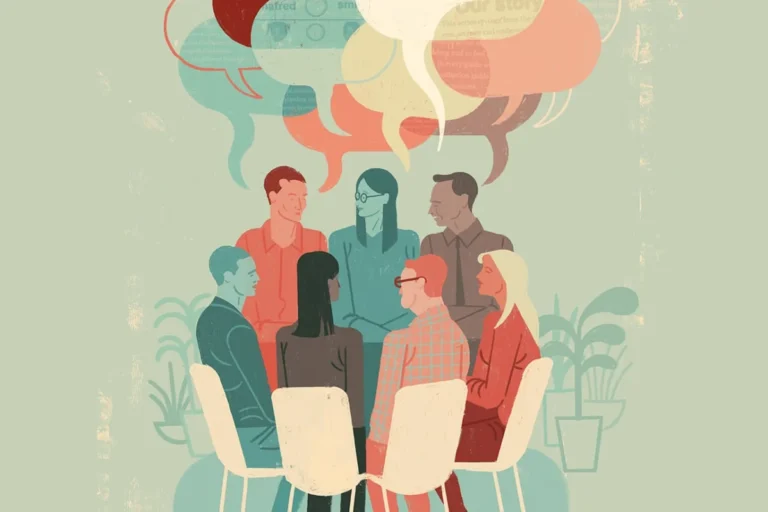
The contemporary global workforce is navigating an unprecedented confluence of pressures, from rapid technological evolution to shifting geopolitical landscapes and the lingering effects of a global pandemic. In this dynamic environment, a pervasive sense of strain, often manifesting as professional burnout, has emerged as a significant threat to individual well-being and organizational performance alike. This condition, characterized by emotional exhaustion, cynicism, and reduced efficacy, extends far beyond individual fatigue; it quietly erodes motivation, stifles innovation, and incurs substantial economic costs for businesses worldwide. Addressing this systemic challenge requires a fundamental re-evaluation of work design and leadership practices, moving beyond superficial remedies to cultivate genuinely healthier and more sustainable professional environments.
The economic implications of widespread burnout are staggering. Global studies consistently estimate that lost productivity due to burnout costs economies billions annually, factoring in absenteeism, presenteeism (working while unwell), increased healthcare expenditures, and elevated employee turnover. For instance, some analyses suggest that companies face indirect costs equivalent to 15-20% of an employee’s salary when burnout leads to turnover, encompassing recruitment, training, and lost institutional knowledge. This makes proactive burnout prevention not merely a human resources concern but a strategic imperative for long-term organizational viability and competitive advantage. Leading enterprises are increasingly recognizing that retaining top talent and maximizing their potential hinges on fostering environments where individuals feel challenged, inspired, and connected, rather than perpetually stretched thin.
At the core of mitigating burnout lies a shift from individual resilience-building to systemic work redesign. Experts argue that merely encouraging employees to manage stress or practice mindfulness overlooks the structural deficiencies embedded within many organizational frameworks. A more effective strategy involves creating jobs that are inherently more engaging and fulfilling. The SMART Work Design model, for example, advocates for roles that incorporate Stimulation, Mastery, Autonomy, Relational work, and Tolerable demands. Stimulating work offers variety, opportunities for skill development, and engagement with meaningful problems, fostering satisfaction and growth. Mastery ensures clarity of roles, responsibilities, and performance feedback, allowing individuals to understand their contribution and progress. Autonomy grants control over work methods and schedules, cultivating a sense of ownership that fuels creativity and effort. Relational work addresses the innate human need for connection, promoting social support and teamwork crucial for engagement. Finally, Tolerable demands ensure that workloads are manageable, preventing the excessive pressure that overwhelms coping mechanisms and directly leads to exhaustion. By embedding these characteristics into job design, organizations can preempt burnout rather than reacting to its consequences.
Effective leadership plays an indispensable role in this transformation. Leaders are often confronted with employees who, despite feeling overwhelmed, report high levels of effectiveness and motivation—a phenomenon sometimes termed "desert flowers" thriving under harsh conditions. These individuals often share a common trait: a proactive, persistent drive to address and fix their work-related challenges. Cultivating this action-oriented mindset throughout an organization can empower teams to collectively identify and implement solutions to workload issues, fostering a culture of agency. Moreover, leaders must adopt a nuanced understanding of employee development, distinguishing between "perform mode," where existing skills are exploited, and "grow mode," where new capabilities are explored. Prolonged periods in perform mode can lead to stagnation and burnout, even for high achievers. Strategic allocation of time for growth and learning is vital for long-term skill development, adaptability, and sustained individual and organizational resilience. Investing in learning and development opportunities is a powerful retention tool; data suggests a significant majority of employees would commit longer to companies that prioritize their professional growth.

Beyond individual growth, leaders bear an increasing burden in navigating the complexities of modern communication and team morale. The sheer volume of digital communication – emails, instant messages, virtual meetings – creates a constant barrage of information, making it challenging for leaders to cut through the noise and maintain team spirit. To counter this, communication must become more frequent, concise, and diverse across multiple channels. A quick, empathetic message or a brief, informal check-in can be more effective than lengthy formal announcements, provided it reaches employees where they are listening. Furthermore, leaders must cultivate psychological safety, recognizing that employees face a spectrum of stressors, both professional and personal. Rather than attempting to "solve" every individual’s stress, leaders can validate these pressures and foster an environment where peers offer support and collaborate on solutions. This approach strengthens the social fabric of teams, transforming stress from a corrosive force into a catalyst for deeper connection and collective engagement.
The proliferation of virtual work modalities has introduced its own set of burnout triggers, particularly "Zoom fatigue." Research utilizing electroencephalography (EEG) and electrocardiography (ECG) reveals the neurological toll of constant self-monitoring and the cognitive load associated with navigating multiple virtual platforms. Organizations can mitigate this by standardizing internal meeting platforms to reduce mental energy spent on technical logistics and encouraging practices like hiding self-view, which demonstrably lessens cognitive drain for all genders. Clear communication and thoughtful scheduling around virtual interactions are also critical. Emotionally proofreading messages, especially outside of standard working hours, can prevent unintentional anxiety, and providing autonomy over how work gets done, once priorities are clear, significantly boosts engagement and reduces the fast track to burnout.
Delegation, often overlooked, is another powerful tool in the fight against burnout, for both leaders and their teams. Many leaders struggle to effectively transfer responsibilities, fearing unsatisfactory results or a loss of control. However, delegation is essential for individual and organizational growth, empowering employees while alleviating managerial overload. Approaches to effective delegation hinge on assessing existing trust in both the individual and the process, leading to strategies like "Empower," "Engage," "Educate," and "Engineer." Transparent conversations about trust and capabilities are fundamental to ensuring that delegation leads to success and fosters a culture of shared responsibility.
Finally, the pervasive issue of collaboration complexity—manifesting as endless meetings and sprawling to-do lists—demands structural solutions. This "overmanagement" leads to excessive context-switching and diminished productivity. A strategic organizational shift towards "multiproject pods"—smaller, flexible collections of individuals who mix and match on projects—can significantly reduce this complexity. By constraining the "noise" of larger organizational structures, pods allow teams to focus on core tasks, fostering deeper understanding and improving efficiency through non-invasive metrics. This approach not only enhances individual clarity and reduces cognitive load but also optimizes collaborative efforts, leading to more impactful outcomes.
In essence, combating burnout and fostering sustainable productivity is not a reactive measure but a proactive strategic investment in human capital. By reimagining work design, empowering leaders to cultivate supportive and growth-oriented environments, leveraging technology thoughtfully, and streamlining collaborative processes, organizations can move beyond merely surviving the modern professional landscape. They can instead build resilient, thriving ecosystems where employees are not just productive, but deeply engaged, innovative, and committed, securing a profound competitive advantage in the global economy.