The longstanding trade friction between Washington and Rome appears to be entering a period of significant cooling as the United States moves to dismantle specific tariff barriers on Italian pasta, a move that signals a broader shift in American trade diplomacy and a tactical retreat from the protectionist policies of the previous administration. According to high-ranking officials in the Italian government, the U.S. Department of Commerce has indicated a willingness to roll back punitive duties that have hampered the export of one of Italy’s most iconic agricultural products. This development is not merely a win for Italian food producers but serves as a barometer for the evolving economic relationship between the United States and the European Union, particularly as both blocs navigate the complexities of global inflation and the need for unified geopolitical fronts.
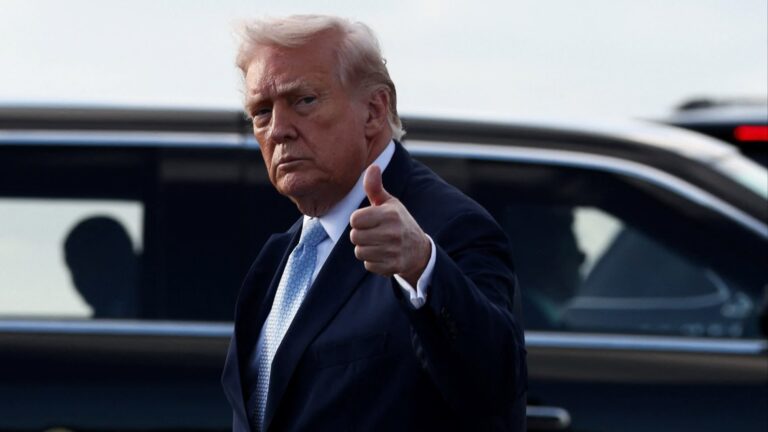
The origins of this dispute trace back to the aggressive trade posture adopted during the Trump presidency, characterized by the frequent use of Section 232 and Section 301 investigations to levy duties on a wide array of European goods. While many of these measures were initially framed as responses to the protracted Boeing-Airbus subsidy conflict—a nearly two-decade-long legal battle at the World Trade Organization—Italian pasta frequently found itself caught in the crossfire. The tariffs, which at various points fluctuated and threatened to reach levels as high as 25%, were viewed by the Italian agri-food sector as an unjust penalization of a product entirely unrelated to the aerospace industry.
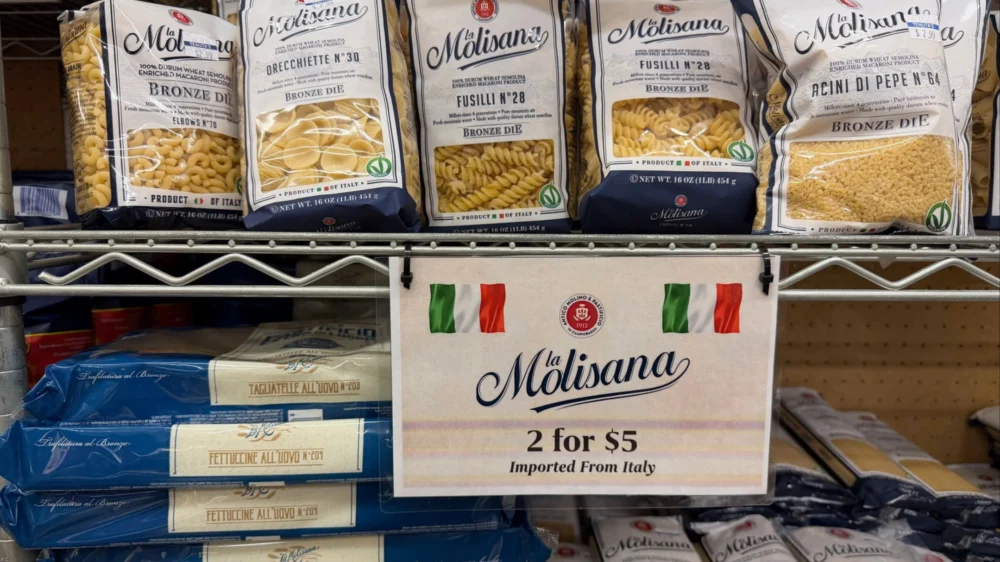
For Italy, the stakes of this policy shift are immense. The Italian pasta industry is a cornerstone of the nation’s export economy, with the country producing roughly 3.9 million tons of pasta annually. The United States represents the largest market for Italian pasta outside of the European Union, with American consumers demonstrating an increasing appetite for premium, "Made in Italy" products. In 2023, Italian food exports to the U.S. reached a valuation of over €6.4 billion, a figure that industry analysts believe could be significantly eclipsed if trade barriers are permanently lowered. The removal of these tariffs is expected to provide an immediate liquidity boost to major producers like Barilla and De Cecco, as well as hundreds of smaller, artisanal pasta makers who operate on thinner margins and are more sensitive to price fluctuations in the international market.
From the perspective of the Biden administration, the retreat from pasta tariffs reflects a multifaceted economic strategy. Primarily, it addresses the persistent challenge of domestic food inflation. By reducing the cost of imported staples, the administration can offer some relief to American households that have seen grocery bills climb steadily over the last three years. Economists argue that tariffs are essentially a domestic tax on consumers; by removing them, the U.S. government effectively lowers the "shelf price" of a high-demand commodity. Furthermore, this move aligns with a broader effort to repair diplomatic ties with Brussels, which were severely strained during the 2017-2021 period. As the U.S. seeks European cooperation on critical issues—ranging from the regulation of artificial intelligence to the enforcement of sanctions against Russia—eliminating "nuisance" tariffs on food products is a low-cost, high-reward diplomatic gesture.
The economic impact of this decision extends beyond the grocery aisle to the agricultural supply chains of the Mediterranean. Italy’s pasta production is heavily dependent on the quality of durum wheat, much of which is grown domestically or imported from North America. When tariffs are high, the entire supply chain experiences friction. Italian millers and farmers often face decreased demand when export prices in the U.S. become prohibitive. Conversely, the removal of duties incentivizes increased production and investment in sustainable farming practices across the Italian peninsula. Market data suggests that the "premiumization" trend in the U.S. food market—where consumers are willing to pay more for authentic, high-quality ingredients—has been stifled by these tariffs. With the barriers removed, Italian exporters are poised to regain lost market share from domestic U.S. manufacturers who had benefited from the protectionist umbrella.
However, the path to a completely friction-free trade environment remains fraught with obstacles. While the pasta tariffs are being wound down, other sectors of the Italian economy remain wary of future U.S. policy shifts. The upcoming U.S. presidential election looms large over these negotiations, with the possibility of a return to "America First" rhetoric causing anxiety in European capitals. Italian Minister of Foreign Affairs, Antonio Tajani, has emphasized that while the news regarding pasta is positive, the goal remains a comprehensive agreement that protects all Italian exports, including wine, olive oil, and luxury cheeses, which have also been targets of trade enforcement actions in the past.
Global trade analysts point out that this de-escalation is part of a larger trend of "re-globalization" among allied nations. Rather than a total retreat from international trade, the U.S. and EU are moving toward what U.S. Treasury Secretary Janet Yellen has termed "friend-shoring." This involves deepening economic ties with trusted partners to build more resilient supply chains. In this context, Italian pasta is more than just a culinary export; it is a component of a stable, allied food supply chain. By easing trade with Italy, the U.S. is reinforcing its commitment to its G7 partners at a time when global trade is being increasingly weaponized by non-democratic actors.
The technical aspects of the tariff removal involve complex reviews by the U.S. International Trade Commission (ITC) and the Department of Commerce. These agencies must determine whether the removal of duties will lead to "dumping"—the practice of selling goods below market value to crush domestic competition. In the case of Italian pasta, the consensus among many trade experts is that Italian producers compete on quality and brand heritage rather than predatory pricing. The Italian government has been proactive in providing data to show that their subsidies are transparent and compliant with international law, a key factor in the U.S. decision to step back.
Furthermore, the environmental and social governance (ESG) standards of the Italian food industry have become a selling point in these trade discussions. Italy has some of the strictest regulations in the world regarding pesticide use and food safety, aligning well with the current U.S. administration’s focus on consumer health and environmental sustainability. By facilitating the import of Italian pasta, the U.S. is also supporting a production model that is often more ecologically sound than mass-market domestic alternatives.
As the specific mechanics of the tariff repeal are finalized, the focus will likely shift to the "Made in Italy" brand protection. Italy has long fought for stricter enforcement of Geographical Indications (GIs) to prevent American companies from using names like "Parmigiano" or "San Marzano" for products not made in those specific regions. While the pasta tariff issue is a separate legal matter, the goodwill generated by its resolution could pave the way for more productive discussions on intellectual property and food labeling—a perennially contentious issue in transatlantic trade.
Ultimately, the U.S. retreat from pasta tariffs is a victory for economic pragmatism over political symbolism. It acknowledges that in an interconnected global economy, protectionist walls often hurt the people they are intended to protect—the consumers and the small businesses that form the backbone of the economy. For Italy, it is a validation of their enduring culinary influence and economic resilience. For the United States, it is a strategic recalibration, clearing the decks of minor disputes to focus on the seismic shifts occurring in the global economic order. As shipments of fusilli, penne, and spaghetti begin to move more freely across the Atlantic, the hope in both Rome and Washington is that this serves as a blueprint for resolving the many trade challenges that still lie ahead.