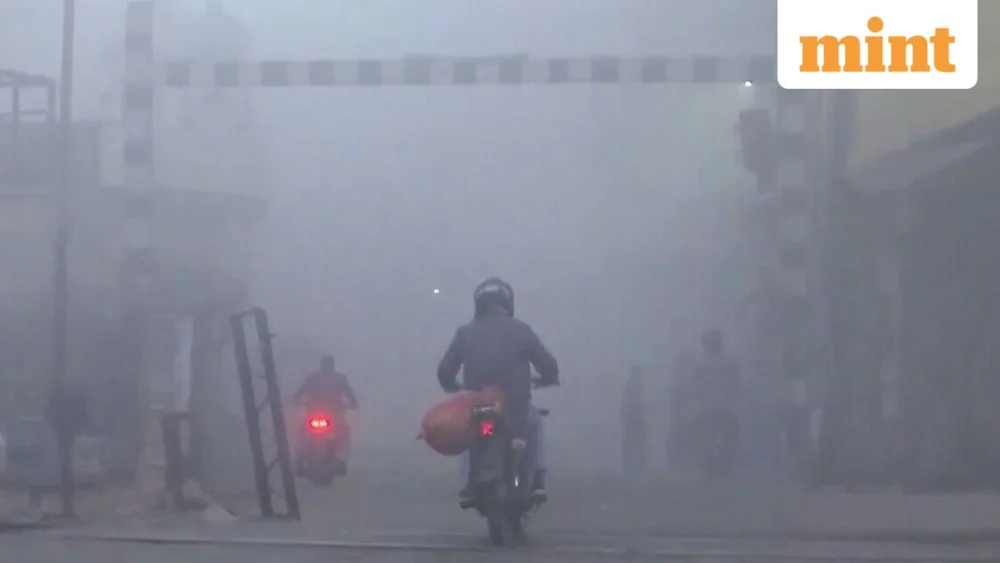
India is currently grappling with a significant cold wave, with meteorological projections indicating its persistence across key northern and central regions for the next two to three days before a gradual abatement. The India Meteorological Department (IMD) has highlighted a prolonged period of severe cold conditions impacting a vast swathe of the subcontinent, encompassing Himachal Pradesh, Punjab, Haryana, Delhi, Rajasthan, Jharkhand, and Odisha. This extended cold snap presents a complex scenario, balancing the potential benefits for critical winter crops with inherent risks and broader economic implications, particularly concerning energy demand and public health.
Minimum temperatures across northwest India are forecast to remain largely static for the upcoming 48 hours, after which a modest but crucial rise of 3-5°C is anticipated over the subsequent five-day period. Further west, Maharashtra is expected to experience stable temperatures for the next 24 hours, followed by a slight dip of 2-3°C over the following three days, before a gradual increase. Gujarat is projected to see no significant thermal variation in the immediate 48-hour window, succeeded by a modest rise, while the rest of the nation is largely insulated from major temperature fluctuations. These regional variations underscore the diverse climatic zones within India and the differential impact of prevailing weather patterns.
Currently, extensive areas of northwestern and central India are experiencing full-blown cold wave conditions, characterized by minimum temperatures plummeting to or below the 5°C threshold at numerous monitoring stations. The IMD’s data on January 13th revealed exceptionally low readings, signaling severe cold across Haryana and western Uttar Pradesh. Hisar in Haryana registered the nation’s lowest at a chilling 1.5°C, closely followed by Karnal at 2.0°C and Muzaffarnagar in Uttar Pradesh at 2.1°C. Major urban centers, the economic arteries of the north, have also been gripped by the intense chill. Chandigarh, the national capital Delhi (specifically Safdarjung and Ayanagar observatories), and Patiala recorded minimum temperatures hovering around 3°C, disrupting daily life and increasing energy consumption. Even the arid expanses of Rajasthan have not been spared, with cities like Alwar, Ganganagar, and Jaisalmer reporting lows between 3.2°C and 4.4°C, illustrating the wide reach of the cold air mass into traditionally warmer desert regions. Further south in central India, Ambikapur in Chhattisgarh registered an unusually low minimum of 4.9°C, confirming the broad geographical extent of the cold front.
The agricultural sector, a cornerstone of the Indian economy, remains a primary focus during such climatic events. India’s Rabi crops, typically sown in winter and harvested in spring, include vital staples like wheat, barley, mustard, chickpeas, and lentils. These crops are inherently well-adapted to cooler winter temperatures, and current conditions, augmented by adequate soil moisture from preceding weather events and normal growth stages, are generally considered conducive for their development. The cold conditions facilitate a crucial process known as vernalization in crops like wheat, which requires a period of low temperatures to induce flowering and optimal grain formation, ultimately leading to higher yields. Moreover, sustained cold can help suppress certain pest populations and disease vectors that thrive in milder conditions.
Despite these inherent benefits, agricultural experts caution against complacency, particularly regarding the risk of frost during severe cold spells. Frost, characterized by the formation of ice crystals on plant surfaces and within plant tissues when temperatures drop to or below freezing, poses a significant threat. It can inflict severe damage on tender plant parts, disrupt the delicate processes of flowering, and impede grain development. Crops like pulses and oilseeds, along with certain horticultural varieties, are particularly vulnerable to frost damage. Dr. Anand Vishwakarma, a principal scientist and project coordinator for Sesame and Niger at ICAR-Jabalpur, reiterated this concern, stating, "The cold wave is generally conducive for crops. However, frost can pose a major threat to pulses and oilseeds during severe cold spells, especially across northwestern and central regions." While no widespread frost incidents had been reported from central India at the time of the expert’s statement, continuous vigilance and early warning systems remain critical for farmers in affected regions. Farmers are often advised to undertake mitigation strategies such as light irrigation, which can release latent heat and raise ground temperatures, or the burning of crop residue to create a smoky cover that traps heat.
Encouragingly, the broader outlook for the Rabi season appears robust. Data released by the Ministry of Agriculture and Farmers’ Welfare on January 9th indicated a significant expansion in Rabi crop sowing for the 2025-26 season. The total sown area has increased by over 1.76 million hectares, reaching an impressive 64.42 million hectares. This represents a 2.8% increase compared to the previous year and surpasses the season’s average coverage of 63.78 million hectares. This expansion is largely attributed to higher acreage under key crops such as wheat, rice, pulses, and oilseeds. The increased sowing area, combined with generally favorable cold conditions (barring specific frost events), sets the stage for a potentially robust harvest, which could contribute to national food security and exert a stabilizing influence on food inflation, a persistent concern for policymakers. A bumper harvest could also bolster India’s agricultural exports, contributing positively to its trade balance.
Beyond agriculture, the prolonged cold wave carries significant broader economic and societal implications. One of the most immediate and tangible impacts is the surge in energy demand. Heating requirements for residential, commercial, and industrial sectors escalate dramatically, putting immense pressure on the national electricity grid. This surge necessitates increased power generation, often relying on fossil fuels like coal, potentially leading to higher fuel imports and increased operational costs for power utilities. Furthermore, the increased consumption of natural gas and other heating fuels can strain supply chains and drive up energy prices, impacting household budgets and industrial production costs.
The logistics and transportation sectors also face considerable challenges. Dense fog, a common companion to severe cold waves in northern India, can severely disrupt air, rail, and road traffic. Flights are delayed or cancelled, trains run behind schedule, and road visibility plummets, leading to accidents and hindering the movement of goods and people. This not only incurs economic losses due to missed appointments and delayed deliveries but also impacts supply chains, particularly for perishable commodities, potentially leading to wastage and price volatility in urban markets.
Public health is another critical area of concern. Extreme cold conditions exacerbate respiratory illnesses, particularly among vulnerable populations such as the elderly, young children, and those experiencing homelessness. Hospitals often report an increase in admissions for conditions like pneumonia, bronchitis, and hypothermia, placing additional strain on healthcare infrastructure and resources. The economic cost of increased healthcare expenditure and lost productivity due to illness can be substantial. For daily wage earners, the cold wave often means a reduction in work opportunities and income, further entrenching socio-economic disparities.
In a global context, India’s experience with cold waves is not unique, but its magnitude and impact on a large, agriculturally dependent population make it particularly significant. Many developed economies with colder climates have well-established infrastructure and social safety nets to mitigate the impact of severe winters. However, developing nations, including parts of South Asia and East Asia, often face similar challenges with varying degrees of resilience. Understanding and adapting to these recurring climatic events, possibly intensified or altered by long-term climate change patterns, is crucial for economic stability and sustainable development.
As the current cold wave is projected to gradually ease, the focus will shift to assessing its full impact. While the immediate forecast offers a glimmer of relief, the episode underscores the imperative for robust meteorological forecasting, proactive agricultural advisories, and resilient infrastructure planning. The resilience demonstrated by the expanded Rabi crop sowing area is a positive indicator, yet the subtle threat of localized frost damage and the broader socio-economic pressures of sustained cold demand ongoing attention. India’s ability to navigate these climatic challenges while sustaining economic momentum will be a critical determinant of its developmental trajectory in the face of an increasingly unpredictable global climate.